
The Taiwan Dog is a breed that demands respect and rewards patience. Bred for intelligence and endurance, these dogs thrive when given a job to do and a family to protect. But their high energy and strong will mean they're best suited for owners who understand their unique needs from day one.
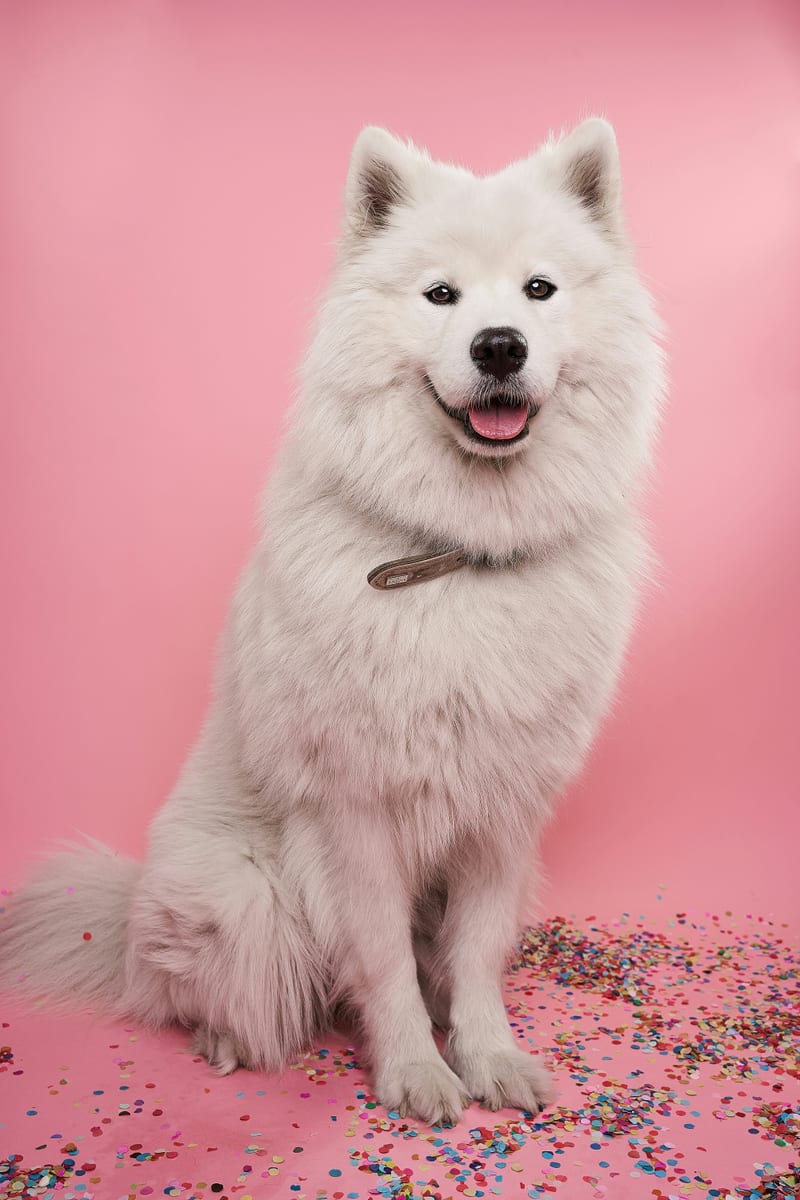
Taiwan Dog
Overview
The Taiwan Dog, also known as the Formosan Mountain Dog or Taiwanese Native Dog, is a primitive canine breed indigenous to Taiwan. Recognized for its keen intelligence, agility, and loyalty, this breed is one of the few remaining ancient dog types in Asia. The Taiwan Dog is a versatile working and companion animal, historically used for hunting and guarding, and is now valued as a devoted family pet and a symbol of Taiwanese cultural heritage. Its robust constitution and alert nature make it well-suited for active lifestyles, though it requires experienced handling due to its independent temperament.
History & Origin
The Taiwan Dog is considered one of the oldest and most primitive dog breeds in the world, with ancestry tracing back to the semi-domesticated dogs of the Austronesian peoples who migrated to Taiwan over 4,000 years ago. Genetic studies suggest that the breed belongs to the ancient lineage of pariah dogs, closely related to the dingo and other basal canids. For centuries, these dogs lived in the mountainous regions of Taiwan, where they were semi-wild and relied upon by indigenous tribes for hunting small game and guarding villages.
During the Japanese occupation of Taiwan (1895–1945), efforts were made to document and preserve the native dogs, but crossbreeding with imported European breeds threatened their genetic purity. After World War II, the breed faced further decline due to urbanization and stray dog control programs. In the 1980s, a concerted conservation effort by Taiwanese researchers and dog enthusiasts began, leading to the establishment of breed standards and registration with the Kennel Club of Taiwan (KCT). The Taiwan Dog gained provisional recognition from the Fédération Cynologique Internationale (FCI) in 2015, solidifying its status as a distinct and protected breed. Today, it remains a rare breed outside of Taiwan but is cherished for its historical significance and unique traits.
Physical Characteristics
The Taiwan Dog is a medium-sized, well-proportioned canine with a square, athletic build. Its body is lean and muscular, reflecting its origins as a mountain hunter. The head is wedge-shaped with a moderate stop, almond-shaped eyes that are dark brown in color, and erect, triangular ears that are set high and forward-facing. The tail is typically carried high and curled over the back, a hallmark of the breed.
The coat is short, smooth, and harsh to the touch, providing protection against the elements. Accepted colors include solid black, yellow (ranging from light cream to deep gold), white, and brindle, though black and yellow are most common. Some individuals may have white markings on the chest, feet, or tail tip. The breed's double coat is weather-resistant, with a dense undercoat that sheds seasonally. Males stand 48–52 cm (19–20 in) at the shoulder and weigh 14–18 kg (31–40 lbs), while females are slightly smaller at 43–47 cm (17–18.5 in) and 12–16 kg (26–35 lbs). Distinctive features include a prominent stop, a deep chest, and strong, straight legs that enable agile movement.
Temperament & Personality
The Taiwan Dog is renowned for its intelligence, alertness, and strong survival instincts. As a primitive breed, it retains a high degree of independence and self-reliance, which can manifest as wariness toward strangers. The breed is naturally protective and makes an excellent watchdog, often barking to alert its family of unusual activity. With proper socialization from an early age, Taiwan Dogs can be affectionate and loyal companions to their owners, forming deep bonds with family members.
This breed is generally good with children if raised with them, but its strong prey drive may lead to chasing small pets, such as cats or rodents. Socialization with other dogs is essential to prevent dominance or aggression, as Taiwan Dogs can be territorial. They are not typically recommended for novice dog owners due to their stubbornness and need for firm, consistent leadership. The breed thrives in a structured environment where it understands its place in the pack hierarchy. Despite their reserved nature, Taiwan Dogs are playful and energetic, enjoying interactive games and activities that challenge their minds and bodies.
Care & Maintenance
Exercise Requirements
The Taiwan Dog is a high-energy breed that requires substantial daily exercise to remain physically and mentally healthy. A minimum of 60 minutes of vigorous activity per day is recommended, including brisk walks, jogging, hiking, or off-leash play in a secure area. The breed excels in canine sports such as agility, obedience, and tracking, which provide excellent outlets for its intelligence and stamina. Without adequate exercise, Taiwan Dogs may develop destructive behaviors, such as digging or excessive barking.
Grooming Needs
Grooming requirements for the Taiwan Dog are minimal due to its short coat. Weekly brushing with a rubber curry brush or grooming mitt is sufficient to remove loose hair and distribute natural oils. During seasonal shedding periods, more frequent brushing may be necessary. Bathing should be done only as needed, typically every few months, to avoid stripping the coat of its protective oils. Routine care includes regular nail trimming, ear cleaning to prevent infections, and dental hygiene through brushing or dental chews.
Training
Training a Taiwan Dog requires patience, consistency, and positive reinforcement techniques such as treats, praise, and play. Harsh corrections or punishment are counterproductive, as the breed is sensitive and may become stubborn or fearful. Early socialization is critical to mitigate wariness toward strangers and other animals. Obedience training should begin in puppyhood, focusing on basic commands and recall, as the breed's independent nature can make off-leash reliability challenging. The Taiwan Dog responds well to training that incorporates mental stimulation, such as puzzle toys or scent work, which tap into its natural problem-solving abilities.
Health
The Taiwan Dog is generally a healthy and hardy breed, benefiting from its ancient lineage and natural selection in a rugged environment. However, like all breeds, it is susceptible to certain health conditions. Common issues include hip dysplasia, patellar luxation, and eye disorders such as progressive retinal atrophy (PRA). Allergies and skin sensitivities may also occur, particularly in dogs with white coats. Responsible breeders screen for these conditions through health tests recommended by the Kennel Club of Taiwan, including hip and elbow evaluations, ophthalmologist exams, and genetic testing for PRA.
The average lifespan of the Taiwan Dog is 10 to 13 years, though some individuals may live longer with proper care. Maintaining a balanced diet, regular veterinary check-ups, and appropriate exercise are key to preventing obesity and promoting overall well-being. The breed's robust immune system generally results in fewer health problems compared to many purebred dogs.
Living Conditions
The Taiwan Dog is adaptable but thrives best in homes with access to a securely fenced yard where it can run and explore. While it can adjust to apartment living if provided with sufficient daily exercise, the breed's high energy level and need for space make a house with a yard more suitable. This breed is not recommended for sedentary households or those without experience with independent, primitive-type dogs. Taiwan Dogs are sensitive to extreme cold due to their short coat, so they should be kept indoors in colder climates, though they tolerate heat well. They do best as family dogs rather than outdoor-only pets, as they crave companionship and involvement in household activities.
Conclusion
The Taiwan Dog is a remarkable breed that embodies the resilience and adaptability of ancient canines. Its intelligence, loyalty, and athleticism make it a rewarding companion for experienced owners who can provide firm, consistent training and ample exercise. While not suitable for every household, this breed offers a unique connection to Taiwan's cultural and natural history. Proper care, socialization, and health management are essential to ensure a well-adjusted and healthy Taiwan Dog. As a rare and historically significant breed, the Taiwan Dog continues to captivate enthusiasts worldwide and remains a proud symbol of its native land.
References
Based on standards from the Fédération Cynologique Internationale (FCI), Kennel Club of Taiwan (KCT), and breed-specific publications from canine historical and genetic research organizations.
Common questions
Is taiwan dog good for first-time owners?
It depends on exercise needs, grooming load, and your daily schedule. Meet adult dogs of the breed before deciding.
How much exercise does taiwan dog usually need?
Look at working history, not just size. Under-exercised dogs often bark, chew, or struggle with training regardless of breed label.
What ongoing costs should I expect with taiwan dog?
Budget for grooming, training, preventive vet care, and quality food—these often exceed the purchase price over the dog’s life.
More in Dog Breeds
What Are the Rarest Dog Breeds?
What breed descriptions miss Breed standards describe appearance and general temperament, but individual dogs vary widely within every breed based on.
What Are the Best Fox Rescues and Shelters in The US?
Researching a breed before adopting Speaking with breed owners, visiting rescue organizations, and meeting adult dogs in person gives a more accurate.
How Much Better is a Dog's Sense of Smell Than a Human’s?
Beyond the breed description Meeting adult dogs of the breed in person teaches more about their temperament than reading breed profiles or watching online.
How to Care for a Pet Fox: Diet, Needs, Exercise, and More
Understanding breed characteristics Energy levels, grooming requirements, and trainability are tendencies rather than guarantees. Individual variation.
No comments yet.