
Few breeds are as versatile as the Neapolitan Mastiff. From working alongside police and military to curling up on the couch with their favorite human, these dogs can do it all — provided they've been raised with the right training, socialization, and care. Here's a complete guide to everything this remarkable breed has to offer.
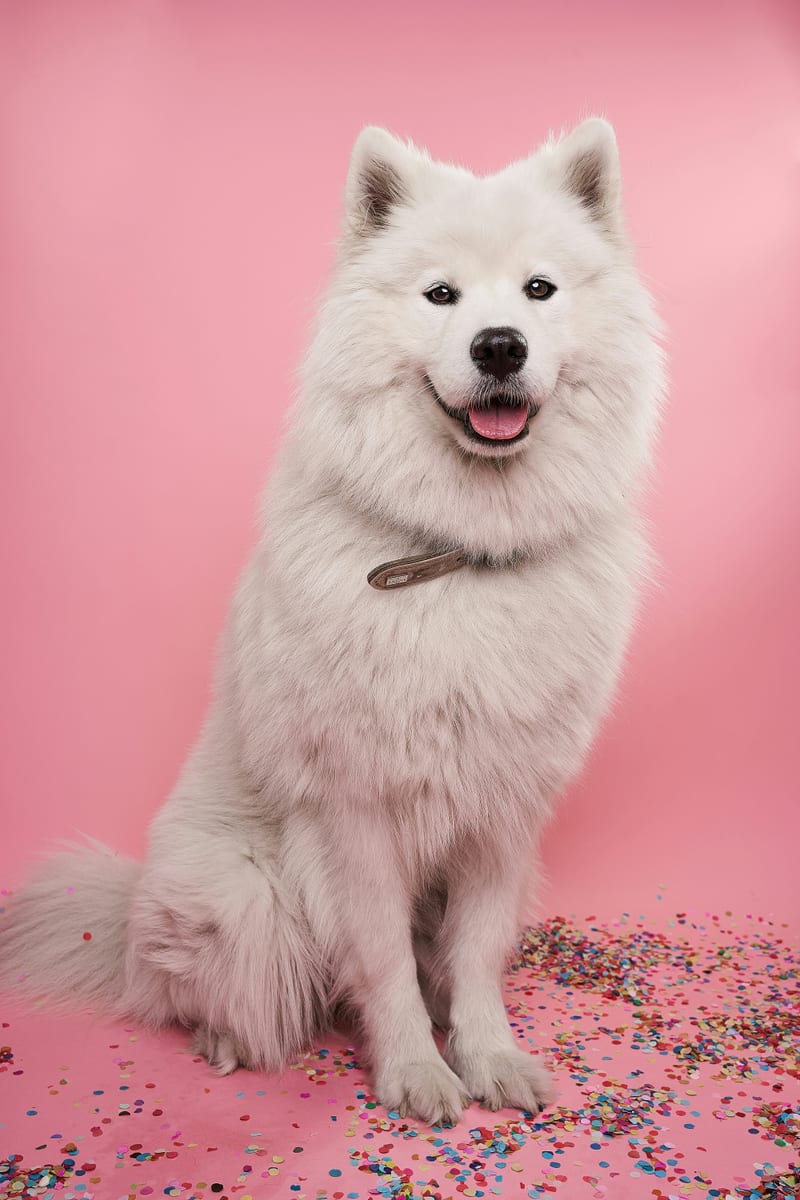
Neapolitan Mastiff
Overview
The Neapolitan Mastiff, known in Italian as Mastino Napoletano, is a massive and imposing breed of domestic dog renowned for its loose, wrinkled skin and formidable stature. Originating from southern Italy, this breed is a descendant of ancient Roman war dogs and has historically served as a guardian of property, livestock, and family. Despite its intimidating appearance, the Neapolitan Mastiff is characterized by a calm, loyal, and protective temperament, making it a devoted companion for experienced owners. Its distinctive physical traits and strong guarding instincts require careful management and socialization.
History & Origin
The Neapolitan Mastiff traces its lineage to the molosser dogs of ancient Greece and the Roman Empire, which were used in warfare, arena combat, and as estate guardians. Following the fall of the Roman Empire, these dogs were preserved in the rural regions of southern Italy, particularly around Naples and Campania. The breed was further refined by Italian farmers and butchers who valued its protective nature and strength. The modern Neapolitan Mastiff was first formally recognized in 1949 by the Italian Kennel Club (ENCI), with breed standards established by Italian dog fancier Dr. Piero Scanziani. The breed gained international recognition through the Fédération Cynologique Internationale (FCI) in 1956 and was later recognized by the American Kennel Club (AKC) in 2004. Its historical role as a guardian of homes and livestock remains central to its identity.
Physical Characteristics
The Neapolitan Mastiff is a large, heavy-boned dog with a robust and muscular build. Its most notable feature is its abundant, loose skin, which forms deep wrinkles on the head, neck, and dewlap. The breed has a broad, massive skull with a well-defined stop and a short, square muzzle. The nose is large and typically matches the coat color. Eyes are deep-set and dark, conveying a serious expression. Ears are small, triangular, and set high; they are often cropped in some countries, though natural drop ears are common. The tail is thick and docked to about one-third of its length in many standards. The coat is short, dense, and smooth, with colors including gray (blue), black, mahogany, and tawny, sometimes with brindle patterns. Males stand 66–81 cm (26–32 in) at the shoulder and weigh 60–70 kg (132–154 lbs); females are slightly smaller, at 61–74 cm (24–29 in) and 50–60 kg (110–132 lbs). The breed's massive head circumference and loose skin contribute to its distinctive appearance.
Temperament & Personality
The Neapolitan Mastiff is known for its calm, steady, and loyal temperament. It is deeply devoted to its family and forms strong bonds with its owners, often displaying a protective and watchful nature. This breed is naturally suspicious of strangers and can be territorial, making early and consistent socialization essential to prevent aggression. With proper training, it can be gentle and patient with children within its own household, though interactions should always be supervised due to its size. The Neapolitan Mastiff may not tolerate other dogs of the same sex and can be dominant with unfamiliar animals. It is not a highly energetic breed but requires a confident and experienced handler who can establish clear leadership. Its protective instincts make it an excellent watchdog, but it is not suited for novice dog owners.
Care & Maintenance
Exercise Requirements
The Neapolitan Mastiff has moderate exercise needs. Daily walks of 30–45 minutes are sufficient to maintain physical health and prevent obesity. However, due to its heavy build and joint susceptibility, strenuous activities such as running or jumping should be limited, especially during puppyhood. Regular, low-impact exercise is recommended to support joint health and muscle tone.
Grooming Needs
Grooming a Neapolitan Mastiff requires attention to its skin folds. The short coat sheds moderately and should be brushed weekly with a rubber curry brush to remove loose hair. The skin wrinkles, particularly on the face and neck, must be cleaned daily with a damp cloth and dried thoroughly to prevent bacterial or yeast infections. Nails should be trimmed monthly, and ears checked regularly for debris. Bathing is needed only occasionally, using a mild dog shampoo to avoid skin irritation.
Training
Training a Neapolitan Mastiff demands patience, consistency, and positive reinforcement methods. This breed can be stubborn and independent, so early obedience training is critical. Socialization from puppyhood with various people, animals, and environments is essential to reduce wariness and aggression. Harsh corrections are counterproductive; instead, reward-based training with treats and praise yields better results. Owners must establish themselves as calm and confident leaders to manage the dog's strong will.
Health
The Neapolitan Mastiff is prone to several health issues due to its large size and conformation. Common conditions include hip dysplasia and elbow dysplasia, which affect joint development. Gastric dilatation-volvulus (GDV), or bloat, is a life-threatening emergency common in deep-chested breeds. Skin infections in the wrinkles, entropion (inward rolling of eyelids), and ectropion (outward rolling) are also frequent. Heart conditions such as dilated cardiomyopathy may occur. Responsible breeders screen for these issues through hip and elbow evaluations, eye exams, and cardiac testing. The average lifespan is 7–9 years, which is typical for giant breeds.
Living Conditions
The Neapolitan Mastiff is best suited to a home with ample space, such as a house with a securely fenced yard. It can adapt to apartment living if provided with sufficient daily exercise, but its size and drooling make a larger environment preferable. This breed is not ideal for hot climates due to its heavy build and risk of overheating; it thrives in moderate temperatures. It should not be left outdoors unsupervised for long periods, as it is a companion-oriented breed that needs close contact with its family. Due to its protective nature, it requires a calm, structured household without excessive noise or activity.
Conclusion
The Neapolitan Mastiff is a majestic and powerful breed with a rich history as a guardian and companion. Its imposing appearance and loyal, protective temperament make it a formidable presence, but its care requirements—including extensive socialization, training, and health management—demand an experienced and dedicated owner. While not suitable for everyone, this breed offers unwavering devotion and a calm companionship to those who understand its needs. Prospective owners should prioritize reputable breeders who conduct health testing and ensure that the dog's environment matches its physical and behavioral traits.
References
Based on standards from the American Kennel Club (AKC), the Fédération Cynologique Internationale (FCI), and the Italian Kennel Club (ENCI). Additional information sourced from breed-specific health surveys and veterinary literature.
Common questions
Is what it's like living with a neapolitan mastiff good for first-time owners?
It depends on exercise needs, grooming load, and your daily schedule. Meet adult dogs of the breed before deciding.
How much exercise does what it's like living with a neapolitan mastiff usually need?
Look at working history, not just size. Under-exercised dogs often bark, chew, or struggle with training regardless of breed label.
What ongoing costs should I expect with what it's like living with a neapolitan mastiff?
Budget for grooming, training, preventive vet care, and quality food—these often exceed the purchase price over the dog’s life.
More in Dog Breeds
What Are the Rarest Dog Breeds?
What breed descriptions miss Breed standards describe appearance and general temperament, but individual dogs vary widely within every breed based on.
What Are the Best Fox Rescues and Shelters in The US?
Researching a breed before adopting Speaking with breed owners, visiting rescue organizations, and meeting adult dogs in person gives a more accurate.

How Much Better is a Dog's Sense of Smell Than a Human’s?
Beyond the breed description Meeting adult dogs of the breed in person teaches more about their temperament than reading breed profiles or watching online.

How to Care for a Pet Fox: Diet, Needs, Exercise, and More
Understanding breed characteristics Energy levels, grooming requirements, and trainability are tendencies rather than guarantees. Individual variation.
No comments yet.