
If you're drawn to the Canadian Eskimo Dog, you're not alone. This breed consistently ranks among the most popular dogs worldwide, admired for their intelligence, versatility, and deep bond with their owners. But popularity doesn't mean they're the right fit for every household. Here's what you need to know before making the commitment.
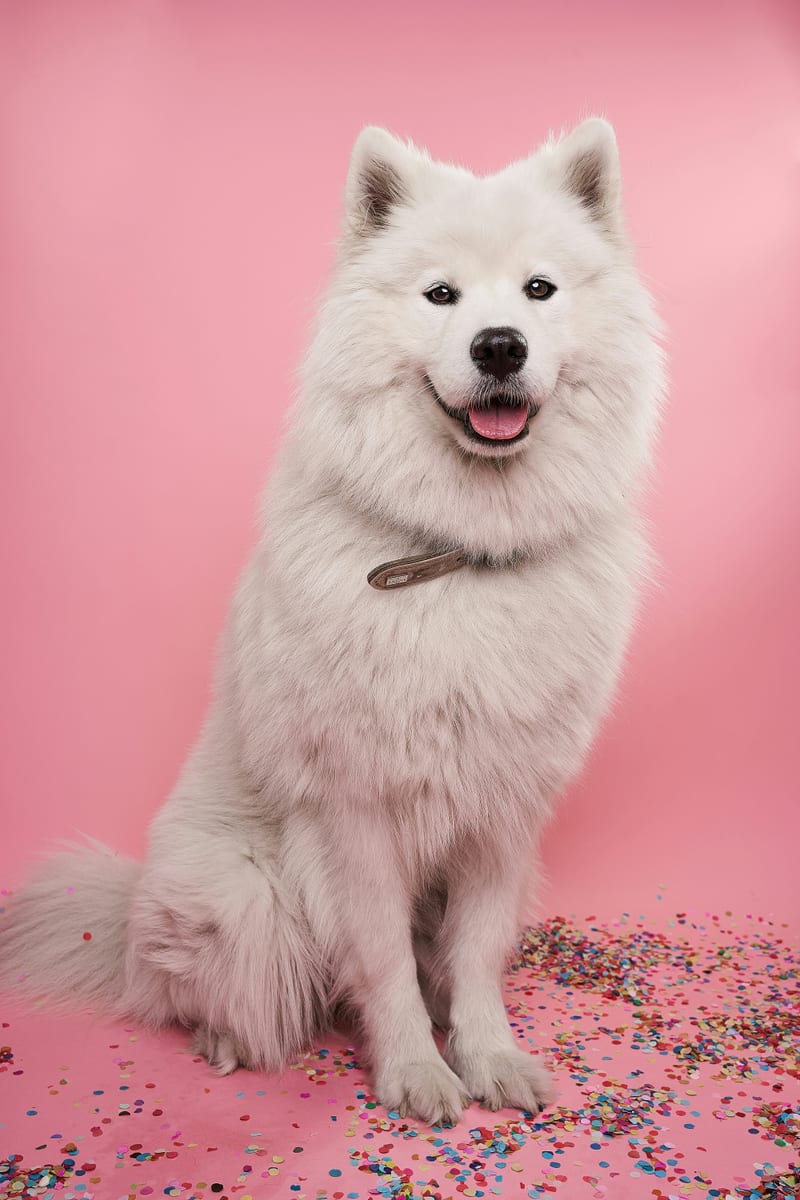
Canadian Eskimo Dog
Overview
The Canadian Eskimo Dog, also known as the Canadian Inuit Dog or Qimmiq (in Inuktitut), is a hardy, powerful, and ancient working breed native to the Arctic regions of Canada. Renowned for its exceptional strength, endurance, and resilience in extreme cold, this breed has served as an indispensable companion to the Inuit people for millennia. The Canadian Eskimo Dog is a classic spitz-type dog, characterized by its dense double coat, erect ears, and curled tail. While highly intelligent and loyal, it is a demanding breed that requires experienced ownership, substantial exercise, and a purpose-driven lifestyle.
History & Origin
The Canadian Eskimo Dog is one of the oldest and most purebred dog breeds in North America, with archaeological evidence suggesting its presence in the Arctic for over 4,000 years. The breed's ancestors were brought to the region by the Thule people, the ancestors of the modern Inuit, who relied on these dogs for transportation, hunting, and protection. The breed played a critical role in the survival of Inuit communities, pulling heavy sleds across vast, frozen landscapes and assisting in hunting seals, polar bears, and other game.
During the early 20th century, the Canadian Eskimo Dog gained recognition beyond the Arctic, participating in polar expeditions, including those led by explorers such as Robert Peary and Roald Amundsen. However, the breed faced severe decline in the mid-20th century due to the introduction of snowmobiles, disease outbreaks, and crossbreeding with other sled dog breeds. By the 1970s, the Canadian Eskimo Dog was considered critically endangered. Conservation efforts by the Canadian Kennel Club and dedicated breeders have since stabilized the population, though it remains a rare breed. In 2000, the Government of Canada designated the Canadian Eskimo Dog as the official animal of Nunavut, symbolizing its cultural and historical significance.
Physical Characteristics
The Canadian Eskimo Dog is a large, robust, and muscular breed built for power and endurance. Males typically stand 58–70 cm (23–28 in) at the shoulder and weigh 30–40 kg (66–88 lbs), while females are slightly smaller, measuring 50–60 cm (20–24 in) and weighing 18–30 kg (40–66 lbs). The breed exhibits a typical spitz appearance, with a broad wedge-shaped head, erect triangular ears, and a thick, curling tail carried over the back.
The most distinctive feature is its double coat: a dense, woolly undercoat and a coarse, straight outer coat that provides exceptional insulation against Arctic cold. Coat colors include white, black, gray, sable, and various combinations, often with a lighter mask on the face. The breed has a powerful, deep chest, strong legs, and large, well-padded feet adapted for traversing snow and ice. Its expression is alert, intelligent, and sometimes fierce, reflecting its working heritage.
Temperament & Personality
The Canadian Eskimo Dog is a highly intelligent, independent, and strong-willed breed. It was developed to work in harsh conditions with minimal human direction, resulting in a dog that is resourceful and self-reliant. This breed is intensely loyal to its family but can be reserved or wary with strangers. It is not typically aggressive without cause, but it possesses a strong protective instinct and will defend its pack if threatened.
Due to its history as a sled dog, the Canadian Eskimo Dog thrives on structure, leadership, and a clear hierarchy. It is not recommended for novice owners, as it can be dominant and challenging to train. With proper socialization from an early age, it can coexist with children and other dogs, though its high prey drive may make it unsuitable for homes with small pets such as cats or rodents. The breed is vocal, often howling and barking to communicate, and it requires an owner who can provide firm, consistent guidance.
Care & Maintenance
Exercise Requirements
The Canadian Eskimo Dog has extremely high exercise needs, requiring at least 1–2 hours of vigorous physical activity daily. This breed is not content with leisurely walks; it needs opportunities to run, pull, or engage in endurance-based activities. Ideal exercises include long jogs, hiking, sledding, carting, or skijoring. Without sufficient stimulation, the dog may become destructive, bark excessively, or develop behavioral issues. Owners must be prepared to dedicate significant time and energy to meeting these demands.
Grooming Needs
The breed's thick double coat requires consistent grooming. During most of the year, brushing two to three times per week is sufficient to remove loose hair and prevent matting. During shedding seasons (spring and fall), daily brushing is necessary to manage the heavy shedding. Bathing should be infrequent to preserve the coat's natural oils. Regular nail trimming, ear cleaning, and dental care are also essential. The Canadian Eskimo Dog is a heavy shedder and is not suitable for individuals with allergies.
Training
Training a Canadian Eskimo Dog requires patience, consistency, and a firm but fair approach. The breed is intelligent but independent, often preferring to think for itself rather than blindly obey commands. Positive reinforcement techniques, such as reward-based training, are recommended, but the owner must establish clear leadership. Early socialization is critical to prevent wariness toward strangers and other animals. The breed excels in dog sports such as sledding, weight pulling, and agility, which channel its energy and intelligence productively. Harsh or punitive methods are counterproductive and can damage the trust between dog and owner.
Health
The Canadian Eskimo Dog is generally a healthy and robust breed, thanks to its natural selection in a demanding environment. However, like all breeds, it is prone to certain health conditions. Common issues include hip dysplasia, a genetic condition affecting the hip joints, and progressive retinal atrophy (PRA), an eye disorder that can lead to blindness. Some individuals may also suffer from gastric torsion (bloat), a life-threatening condition requiring immediate veterinary attention. Responsible breeders screen their dogs for these conditions through hip evaluations and eye exams. The breed's average lifespan is 10–15 years, with many dogs living into their early teens with proper care.
Living Conditions
The Canadian Eskimo Dog is not suited for apartment living or sedentary households. It thrives in environments with ample space, such as a rural or suburban home with a large, securely fenced yard. The breed is highly adaptable to cold climates but struggles in hot, humid weather due to its thick coat. Owners in warmer regions must provide shade, fresh water, and air-conditioned indoor spaces. The dog is a natural digger and may attempt to escape enclosures, so fencing should be robust and at least 1.8 meters (6 feet) high. This breed is best suited for active individuals or families with experience in handling large, working dogs.
Conclusion
The Canadian Eskimo Dog is a remarkable breed with a rich history as a working companion of the Inuit people. Its strength, endurance, and loyalty make it a unique and rewarding dog for experienced owners who can provide the structure, exercise, and leadership it requires. However, its demanding nature, high exercise needs, and independent temperament mean it is not suitable for casual or first-time dog owners. For those who appreciate its heritage and are willing to meet its needs, the Canadian Eskimo Dog offers an unparalleled connection to the Arctic's harsh yet beautiful landscape. As a living symbol of Canada's northern heritage, this breed deserves respect and preservation.
References
Based on standards from the Canadian Kennel Club (CKC), the American Kennel Club (AKC), and the United Kennel Club (UKC), as well as historical records from Inuit oral traditions and polar exploration literature.
Common questions
Is canadian eskimo dog good for first-time owners?
It depends on exercise needs, grooming load, and your daily schedule. Meet adult dogs of the breed before deciding.
How much exercise does canadian eskimo dog usually need?
Look at working history, not just size. Under-exercised dogs often bark, chew, or struggle with training regardless of breed label.
What ongoing costs should I expect with canadian eskimo dog?
Budget for grooming, training, preventive vet care, and quality food—these often exceed the purchase price over the dog’s life.
More in Dog Breeds

13 All-American Dog Breeds Born In The USA
Health considerations by breed Breed-specific health screenings exist for good reason. Researching common conditions before choosing a breeder can prevent.
11 Hypoallergenic Dog Breeds For Allergy-Sensitive Homes
Choosing a breed that fits Matching a breed to your lifestyle matters more than choosing one based on appearance or popularity trends on social media.d in.
11 Playful Dog Breeds Made For Summer Fun
Breed reputation versus reality A breed reputation for friendliness or aggression does not define every dog. Individual history, training, and.
Best Dog Frisbees for 2026: 7 Picks That Fly Far and Last
Beyond breed generalizations Mixed-breed dogs combine traits from multiple lines in unpredictable ways, making breed-based assumptions even less reliable.
No comments yet.