
The Boxer has earned a well-deserved reputation as one of the most capable and loyal dog breeds. Whether you're looking for a working partner or a family companion, this breed can excel — but only in the right hands. Here's an honest look at what it takes to be a responsible Boxer owner.
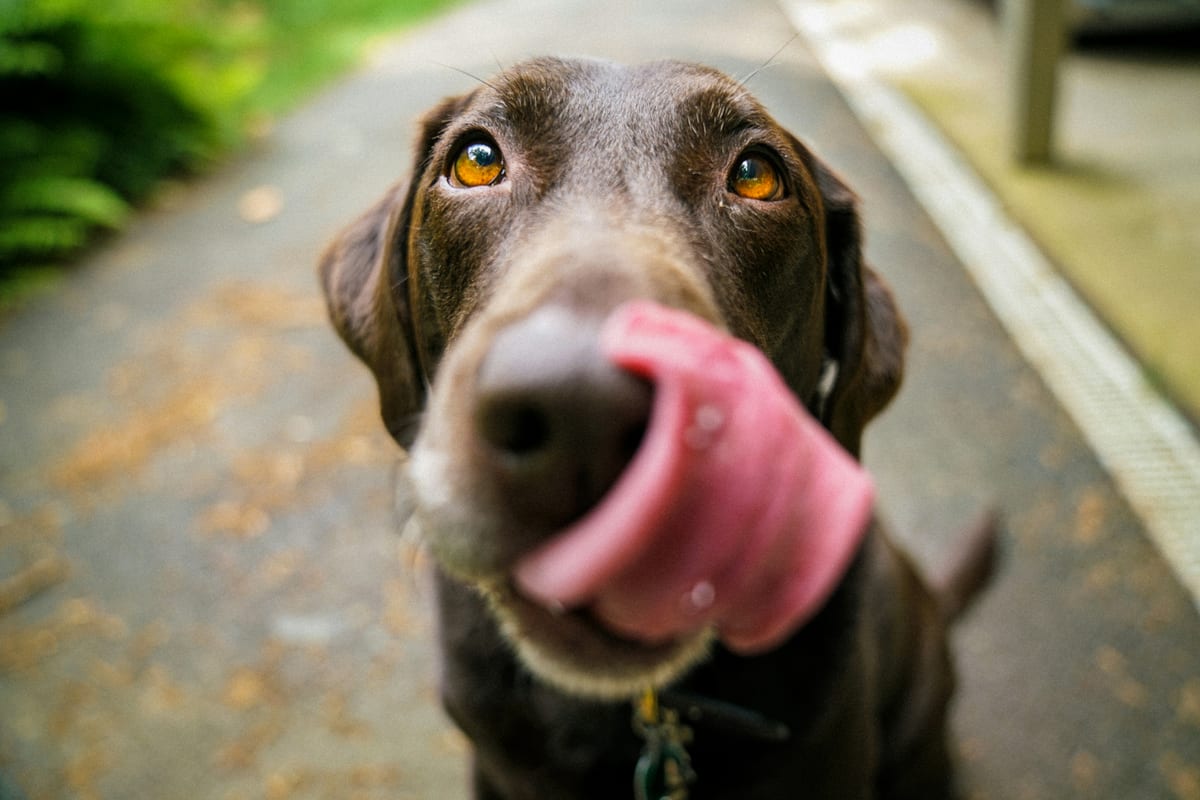
Boxer
Overview
The Boxer is a medium-to-large breed of dog originating from Germany, known for its muscular build, distinctive square muzzle, and energetic yet loyal temperament. Developed in the late 19th century, the Boxer was initially bred for bull-baiting and later as a working dog, but today it is primarily a companion animal. The breed is characterized by its high intelligence, playful nature, and strong protective instincts, making it a popular choice for families and individuals seeking an active and devoted pet. Boxers are recognized by major kennel clubs worldwide, including the American Kennel Club (AKC) and the Fédération Cynologique Internationale (FCI), and are consistently ranked among the most popular breeds in many countries.
History & Origin
The Boxer's ancestry can be traced back to the now-extinct Bullenbeisser, a type of mastiff used in Germany for hunting large game such as boar, bear, and deer. These dogs were prized for their powerful jaws and tenacity. In the late 19th century, German breeders sought to refine the Bullenbeisser into a more agile and versatile dog. A key figure in this development was the German breeder Georg Alt, who crossed the Bullenbeisser with the English Bulldog. This crossbreeding produced a dog with a broader head, a shorter muzzle, and a more balanced temperament. The resulting breed was named "Boxer," possibly due to its tendency to use its front paws in a playful manner reminiscent of a human boxer, though other theories suggest the name derives from the German word "Boxer" meaning "butcher," referencing its use in cattle handling. The first Boxer breed standard was established in 1902, and the breed was officially recognized by the AKC in 1904. During World War I and World War II, Boxers served as messenger dogs, pack carriers, and guard dogs for the military, further solidifying their reputation for courage and reliability. After the wars, the breed gained widespread popularity as a family companion, particularly in the United States and Europe.
Physical Characteristics
The Boxer is a powerfully built, athletic dog with a square, well-proportioned frame. The head is distinctive, featuring a broad, blunt muzzle that is slightly upturned, with a well-defined stop. The nose is black and broad, and the eyes are dark brown, conveying an alert and intelligent expression. The ears are set high and, in many countries, are traditionally cropped to stand erect, though natural, floppy ears are also common and accepted in kennel club standards. The tail is typically docked short, though this practice is increasingly restricted in some regions. The neck is strong and muscular, flowing into a deep chest and a level topline. The coat is short, smooth, and glossy, lying close to the body. Acceptable colors include fawn (ranging from light tan to deep red) and brindle (a pattern of black stripes on a fawn background). White markings are common on the chest, feet, and face, and a white blaze on the face is a hallmark of the breed. The Boxer has a distinct gait that is energetic and ground-covering. Males stand 57–63 cm (22–25 in) tall at the withers and weigh 30–32 kg (66–70 lbs), while females are slightly smaller, standing 53–59 cm (21–23 in) and weighing 25–27 kg (55–60 lbs).
Temperament & Personality
The Boxer is renowned for its exuberant, playful, and affectionate nature. The breed is highly loyal to its family and forms strong bonds with its owners, often displaying a clownish and mischievous side that endears it to children. Boxers are generally good with children, exhibiting patience and a protective demeanor, but their high energy levels require supervision to prevent accidental knocking over of toddlers. They are typically friendly with strangers, though they can be reserved or suspicious in unfamiliar situations, making them effective watchdogs. With proper socialization, Boxers can coexist peacefully with other dogs and pets, though some individuals may display same-sex aggression. The breed is intelligent and eager to please, but it can also be stubborn and independent, which may pose challenges in training. Boxers are known for their strong prey drive and may chase small animals. They are generally not aggressive but will defend their family if threatened. The breed thrives on human companionship and can suffer from separation anxiety if left alone for extended periods. Overall, the Boxer is a versatile and loving dog suitable for active families.
Care & Maintenance
Exercise Requirements
Boxers are high-energy dogs that require substantial daily exercise to maintain physical and mental well-being. A minimum of 60 minutes of vigorous activity per day is recommended, including brisk walks, runs, or play sessions in a securely fenced area. They excel in canine sports such as agility, obedience, and rally. Without adequate exercise, Boxers may become destructive or develop behavioral issues. However, care must be taken to avoid overexertion in hot weather due to their brachycephalic (short-nosed) anatomy, which can lead to breathing difficulties. Puppies should not engage in high-impact exercise until their bones are fully developed, typically around 18 months of age.
Grooming Needs
The Boxer's short coat requires minimal grooming. Weekly brushing with a rubber curry brush or hound glove is sufficient to remove loose hair and distribute skin oils. Shedding is moderate, with increased shedding during seasonal changes. Bathing should be done only as needed, typically every few months, using a mild dog shampoo to avoid drying the skin. Regular ear cleaning, nail trimming, and dental care are essential. The facial wrinkles should be kept clean and dry to prevent skin infections. Professional grooming is generally not necessary.
Training
Boxers are intelligent but can be independent and headstrong, requiring consistent, positive reinforcement training methods. Early socialization and puppy classes are crucial to develop a well-adjusted adult dog. Harsh corrections are counterproductive and may damage the dog's trust. Boxers respond well to reward-based training using treats, praise, and play. They excel in obedience and trick training but may become bored with repetitive drills. Training sessions should be short, varied, and engaging. Crate training can be beneficial for housebreaking and providing a safe space. Due to their strong prey drive, reliable recall is essential and should be practiced in secure environments.
Health
Boxers are generally healthy but are predisposed to several genetic and breed-specific health conditions. Common issues include hip dysplasia, a malformation of the hip joint that can lead to arthritis; aortic stenosis, a congenital heart defect that can cause sudden death; and degenerative myelopathy, a progressive spinal cord disease. Boxers are also prone to certain cancers, particularly mast cell tumors, lymphoma, and osteosarcoma. Brachycephalic obstructive airway syndrome (BOAS) is common due to their flat faces, leading to breathing difficulties, snoring, and heat intolerance. Other concerns include hypothyroidism, bloat (gastric dilatation-volvulus), and allergies. Responsible breeders perform health screenings, including hip and elbow evaluations, cardiac exams, and DNA tests for specific conditions. The average lifespan is 10–12 years, though some individuals may live longer with proper care. Regular veterinary check-ups, a balanced diet, and weight management are essential for maintaining health.
Living Conditions
Boxers are adaptable but thrive in homes with access to a securely fenced yard where they can run and play. They are not well-suited to apartment living unless the owner can provide ample daily exercise. The breed is sensitive to extreme temperatures; they are prone to heatstroke in hot climates and should not be left outside for long periods in cold weather. Boxers are indoor dogs that prefer to be close to their family. They are generally calm indoors but require a comfortable space to rest. Given their high energy, homes with active owners who can commit to daily exercise are ideal. Boxers are not recommended for first-time dog owners due to their strength and training needs.
Conclusion
The Boxer is a robust, energetic, and affectionate breed that excels as a family companion and working dog. Its unique combination of strength, intelligence, and playfulness makes it a rewarding pet for active owners who can provide consistent training, ample exercise, and plenty of companionship. While the breed is prone to certain health issues and requires careful management of its exercise and environment, the Boxer's loyalty and joyful nature have made it a beloved breed worldwide. Prospective owners should research reputable breeders and commit to responsible ownership to ensure a long and happy relationship with this remarkable dog.
References
Based on standards from major kennel clubs and breed organizations, including the American Kennel Club (AKC), the Fédération Cynologique Internationale (FCI), and the Boxer breed clubs of the United Kingdom and Germany.
Common questions
Is boxer good for first-time owners?
It depends on exercise needs, grooming load, and your daily schedule. Meet adult dogs of the breed before deciding.
How much exercise does boxer usually need?
Look at working history, not just size. Under-exercised dogs often bark, chew, or struggle with training regardless of breed label.
What ongoing costs should I expect with boxer?
Budget for grooming, training, preventive vet care, and quality food—these often exceed the purchase price over the dog’s life.
More in Dog Breeds
What Are the Rarest Dog Breeds?
What breed descriptions miss Breed standards describe appearance and general temperament, but individual dogs vary widely within every breed based on.

What Are the Best Fox Rescues and Shelters in The US?
Researching a breed before adopting Speaking with breed owners, visiting rescue organizations, and meeting adult dogs in person gives a more accurate.

How Much Better is a Dog's Sense of Smell Than a Human’s?
Beyond the breed description Meeting adult dogs of the breed in person teaches more about their temperament than reading breed profiles or watching online.

How to Care for a Pet Fox: Diet, Needs, Exercise, and More
Understanding breed characteristics Energy levels, grooming requirements, and trainability are tendencies rather than guarantees. Individual variation.
No comments yet.