
The Maltipoo is one of the most recognizable dog breeds in the world — and for good reason. Intelligent, loyal, and hardworking, this breed has earned its place as both a trusted working dog and a beloved family companion. But like any breed, they come with specific needs that every potential owner should understand before bringing one home.
Maltipoo
Overview
The Maltipoo is a designer hybrid dog breed resulting from the crossbreeding of a Maltese and a Poodle (typically a Toy or Miniature Poodle). This small companion dog is renowned for its affectionate nature, intelligence, and low-shedding coat, making it a popular choice for families, apartment dwellers, and individuals with allergies. As a crossbreed, the Maltipoo is not recognized as a standardized breed by major kennel clubs such as the American Kennel Club (AKC) or the Kennel Club (UK), but it is registered with various hybrid and designer dog registries.
History & Origin
The Maltipoo originated in the United States during the late 20th century, a period that saw a surge in popularity for designer hybrid dogs. Breeders sought to combine the desirable traits of two established purebreds: the gentle, lapdog temperament of the Maltese and the high intelligence, low-shedding coat, and trainability of the Poodle. The exact date of the first intentional Maltipoo breeding is not well documented, but the hybrid gained significant recognition in the 1990s and 2000s alongside other Poodle crosses like the Cockapoo and Labradoodle. The breed was developed primarily as a companion animal, with an emphasis on a hypoallergenic coat and a small, manageable size suitable for urban living. While not recognized by traditional kennel clubs, the Maltipoo is acknowledged by organizations such as the American Canine Hybrid Club (ACHC) and the Designer Dogs Kennel Club (DDKC).
Physical Characteristics
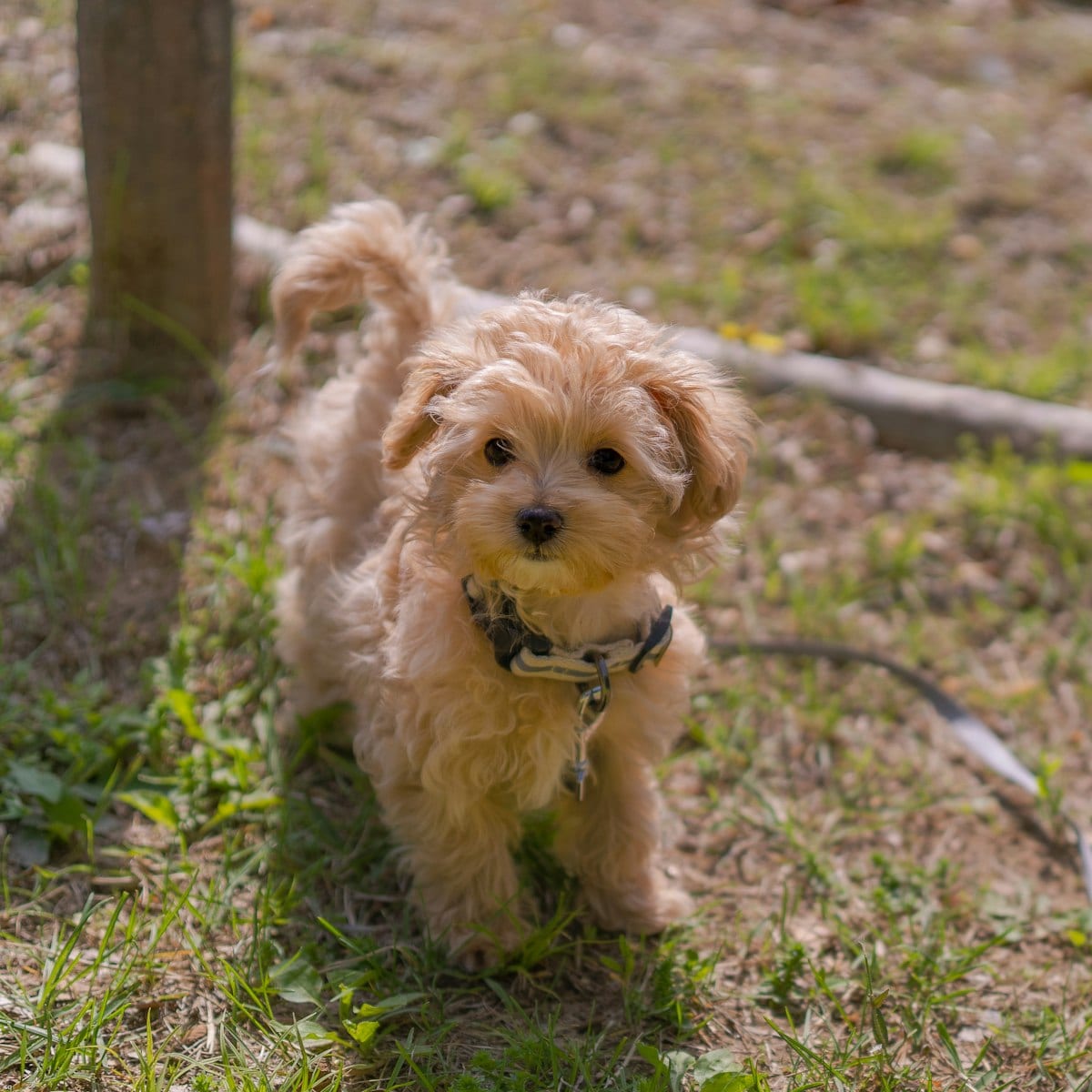
The Maltipoo is a small, compact dog with a well-proportioned body. Its appearance can vary depending on the dominant genetic influence of the parent breeds. Height typically ranges from 20 to 30 cm (8 to 12 inches) at the shoulder, and weight ranges from 2 to 7 kg (5 to 14 pounds), with Toy Poodle crosses generally being smaller. The head is rounded with a moderate stop, dark, expressive eyes, and a black or brown nose. The ears are floppy, set high, and covered with long hair. The tail is often carried over the back, though some individuals may have a straighter tail.
The coat is one of the Maltipoo's most distinctive features. It is typically long, soft, and can range from wavy to tightly curly. The texture may resemble that of a Maltese (silky and straight) or a Poodle (dense and curly), or a combination of both. Coat colors include white, cream, apricot, red, black, silver, and parti-color patterns. Shedding is minimal, which contributes to the breed's reputation as hypoallergenic, though no dog is entirely allergen-free. Regular grooming is essential to prevent matting and tangling.
Temperament & Personality
The Maltipoo is widely regarded as a friendly, affectionate, and playful companion. It is known for forming strong bonds with its owners and thrives on human interaction. This breed is generally good with children, especially when socialized from an early age, though its small size makes it more suitable for older, gentle children who understand how to handle a small dog. Maltipoos typically get along well with other dogs and pets, particularly if raised together.
Intelligent and eager to please, the Maltipoo inherits the Poodle's sharp mind and the Maltese's gentle disposition. However, they can be prone to separation anxiety if left alone for long periods, as they prefer constant companionship. Early socialization and consistent training help mitigate any tendencies toward excessive barking or shyness. The breed is alert and makes an effective watchdog, though it is not aggressive.
Care & Maintenance
Exercise Requirements
The Maltipoo has a moderate energy level and requires daily exercise to maintain physical and mental health. A 20–30 minute walk, combined with indoor play sessions, is generally sufficient. Interactive toys and puzzle games are recommended to stimulate their intelligence. Despite their small size, they enjoy activities like fetch, agility, and obedience training. Overexertion should be avoided, especially in extreme weather, due to their small stature.
Grooming Needs
Grooming is a significant commitment for Maltipoo owners. The coat requires brushing at least three to four times per week using a slicker brush or comb to prevent mats and tangles. Professional grooming every 4–6 weeks is recommended to maintain a neat appearance and trim the coat, especially around the eyes, ears, and paws. Bathing should be done every 2–4 weeks with a gentle dog shampoo. Regular ear cleaning, nail trimming, and dental care are also essential for overall health.
Training
Maltipoos are highly trainable due to their intelligence and eagerness to please. Positive reinforcement methods, such as treats, praise, and play, yield the best results. Harsh corrections can cause fearfulness. Early socialization is crucial to develop a well-rounded adult dog. Housebreaking can be accomplished with consistency and patience, though some individuals may be stubborn. Crate training is often helpful. The breed excels in obedience and trick training, and many participate in canine sports like rally or agility.
Health
The Maltipoo is generally a healthy hybrid, but it is prone to health issues common to both parent breeds. Responsible breeders screen for genetic conditions. Common health concerns include:
- Patellar Luxation: Dislocation of the kneecap, common in small breeds.
- Dental Problems: Small mouths can lead to overcrowding and periodontal disease; regular dental care is essential.
- Progressive Retinal Atrophy (PRA): A degenerative eye condition that can lead to blindness.
- Legg-Calvé-Perthes Disease: A hip joint disorder affecting blood supply to the femoral head.
- Hypoglycemia: Low blood sugar, particularly in very small puppies.
- Allergies: Skin and food allergies can occur.
- White Shaker Syndrome: A neurological condition seen in small white dogs, causing tremors.
Regular veterinary check-ups, a balanced diet, and maintaining a healthy weight are important. The average lifespan is 12 to 15 years, with many individuals living into their late teens with proper care.
Living Conditions
The Maltipoo is an ideal breed for apartment living due to its small size and moderate exercise needs. It adapts well to various environments, from city apartments to suburban homes, provided it receives adequate attention and activity. This breed is sensitive to extreme temperatures and should be kept indoors as a companion dog, not left outside for extended periods. A securely fenced yard is beneficial but not essential. The Maltipoo does best in homes where someone is present for most of the day, as it dislikes being left alone for long hours.
Conclusion
The Maltipoo is a charming, intelligent, and affectionate hybrid dog that excels as a companion for individuals and families alike. Its low-shedding coat, small size, and friendly temperament make it particularly well-suited for apartment living and households with allergy concerns. However, prospective owners must be prepared for the breed's high grooming needs, potential for separation anxiety, and commitment to daily exercise and training. With proper care, socialization, and regular veterinary attention, the Maltipoo can be a devoted and long-lived family member, bringing joy and companionship for many years.
References
Based on standards from major kennel clubs and breed organizations, including the American Canine Hybrid Club (ACHC), the Designer Dogs Kennel Club (DDKC), and guidelines from the American Kennel Club (AKC) regarding parent breeds. Veterinary health information sourced from the American College of Veterinary Surgeons (ACVS) and the Canine Health Information Center (CHIC).
Common questions
Is the ultimate maltipoo guide good for first-time owners?
It depends on exercise needs, grooming load, and your daily schedule. Meet adult dogs of the breed before deciding.
How much exercise does the ultimate maltipoo guide usually need?
Look at working history, not just size. Under-exercised dogs often bark, chew, or struggle with training regardless of breed label.
What ongoing costs should I expect with the ultimate maltipoo guide?
Budget for grooming, training, preventive vet care, and quality food—these often exceed the purchase price over the dog’s life.
More in Dog Breeds

13 All-American Dog Breeds Born In The USA
Health considerations by breed Breed-specific health screenings exist for good reason. Researching common conditions before choosing a breeder can prevent.
11 Hypoallergenic Dog Breeds For Allergy-Sensitive Homes
Choosing a breed that fits Matching a breed to your lifestyle matters more than choosing one based on appearance or popularity trends on social media.d in.
11 Playful Dog Breeds Made For Summer Fun
Breed reputation versus reality A breed reputation for friendliness or aggression does not define every dog. Individual history, training, and.
Best Dog Frisbees for 2026: 7 Picks That Fly Far and Last
Beyond breed generalizations Mixed-breed dogs combine traits from multiple lines in unpredictable ways, making breed-based assumptions even less reliable.
No comments yet.