
The Norfolk Terrier has earned a well-deserved reputation as one of the most capable and loyal dog breeds. Whether you're looking for a working partner or a family companion, this breed can excel — but only in the right hands. Here's an honest look at what it takes to be a responsible Norfolk Terrier owner.
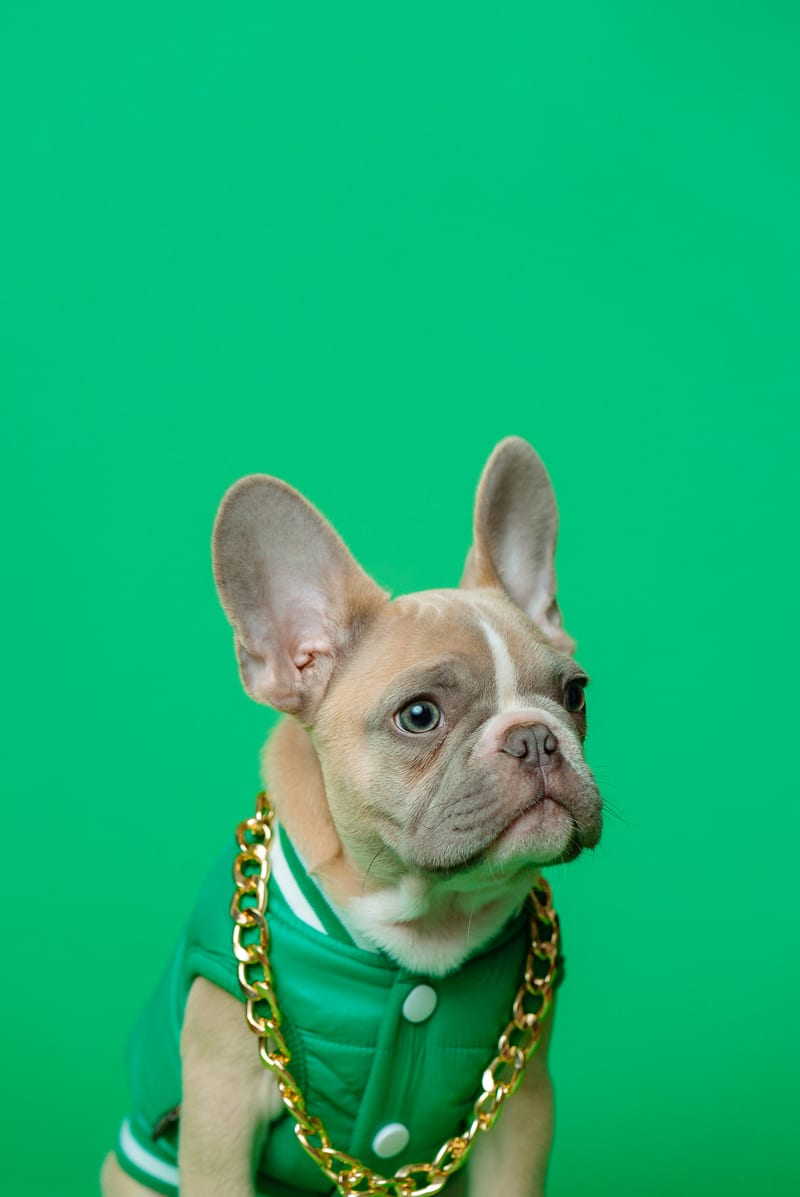
Norfolk Terrier
Overview
The Norfolk Terrier is a small, sturdy, and spirited breed of dog originating from England. Bred primarily as a vermin hunter and farm dog, it is characterized by its fearless nature, compact size, and distinctive dropped ears. The Norfolk Terrier is closely related to the Norwich Terrier, from which it was distinguished solely by ear carriage—the Norfolk has dropped ears, while the Norwich has erect ears. Known for its intelligence, affection, and adaptability, the Norfolk Terrier is a versatile companion that excels in both rural and urban environments. It is recognized by major kennel clubs worldwide, including the American Kennel Club (AKC) and The Kennel Club (UK).
History & Origin
The Norfolk Terrier's history is deeply rooted in the agricultural landscapes of East Anglia, England, during the 19th century. The breed was developed by farmers and hunters who required a small, tenacious dog capable of hunting and killing rats, foxes, and other vermin that threatened livestock and crops. These early terriers were known colloquially as "Cantab Terriers" or "Trumpington Terriers," named after the region and a notable breeder, Frank "Roughrider" Jones, who is credited with refining the breed in the late 1800s.
Initially, Norwich and Norfolk Terriers were considered a single breed, with both erect and dropped ears appearing in the same litters. In 1932, the Norwich Terrier was officially recognized by The Kennel Club (UK), but the dropped-ear variety was not given separate recognition until 1964. The American Kennel Club followed suit in 1979, formally separating the Norfolk Terrier as a distinct breed. The name "Norfolk" was chosen to honor the county in England where the breed was particularly popular. Today, the Norfolk Terrier is one of the smallest working terriers, valued for its courage and loyalty.
Physical Characteristics
The Norfolk Terrier is a small, low-set, and robust dog, with a strong, compact frame that conveys agility and endurance. Its height at the withers typically ranges from 23 to 25 cm (9–10 inches), and its weight is proportionally balanced at 5–5.5 kg (11–12 lbs). The breed's most distinguishing feature is its dropped ears, which are medium-sized, V-shaped, and carried close to the head, giving it a gentle yet alert expression.
The coat is hard, wiry, straight, and close-lying, providing protection from harsh weather and underbrush. Acceptable colors include all shades of red, wheaten (a pale yellow-brown), black and tan, and grizzle (a mixture of black and white or gray hairs). The tail is customarily docked in countries where permitted, but natural tails are also accepted. The Norfolk Terrier has a short, strong muzzle, dark oval eyes, and a confident, lively gait. Its overall appearance is one of a hardy, no-nonsense working dog.
Temperament & Personality
The Norfolk Terrier is renowned for its affectionate, fearless, and alert temperament. Despite its small stature, this breed possesses a bold and confident demeanor, typical of terriers developed for hunting. It is highly intelligent and curious, often described as having a "big dog in a small body" personality. Norfolk Terriers are known for their loyalty and form strong bonds with their owners, making them excellent companions.
They are generally good with children, especially when raised together, and can be patient and playful. However, due to their terrier instincts, they may be wary of strangers and can exhibit a tendency to bark, making them effective watchdogs. Norfolk Terriers typically get along with other dogs if properly socialized, but they may chase small animals due to their prey drive. Early socialization and consistent training are essential to channel their energy positively. They are not known for aggression but can be stubborn, requiring a firm yet gentle approach.
Care & Maintenance
Exercise Requirements
The Norfolk Terrier has moderate to high exercise needs. Daily walks, play sessions, and opportunities to explore securely fenced areas are essential to prevent boredom and destructive behavior. As a former working terrier, it enjoys activities such as digging, chasing, and interactive games like fetch. A minimum of 30–45 minutes of exercise per day is recommended. Mental stimulation, such as puzzle toys or obedience training, is equally important to satisfy its intelligent nature.
Grooming Needs
The wiry coat of the Norfolk Terrier requires regular grooming to maintain its texture and appearance. Brushing two to three times per week with a slicker brush or comb helps remove loose hair and prevent matting. Professional grooming every 6–8 weeks is recommended, including hand-stripping to preserve the coat's wiry quality. Bathing should be done only when necessary, using a mild dog shampoo, as frequent bathing can soften the coat. Routine care includes regular nail trimming, ear cleaning, and dental hygiene to prevent infections and tartar buildup.
Training
Norfolk Terriers are intelligent and eager to please, but they can be independent and stubborn, traits common among terriers. Positive reinforcement methods, such as treats, praise, and play, are most effective. Harsh corrections should be avoided, as they can lead to resistance. Early socialization is crucial to expose the dog to various people, animals, and environments. Crate training and basic obedience commands (sit, stay, come) are recommended. Due to their strong prey drive, reliable recall training is especially important for off-leash activities.
Health
The Norfolk Terrier is generally a healthy breed with a lifespan of 12–16 years. However, like all purebred dogs, it is prone to certain genetic conditions. Common health issues include patellar luxation (dislocation of the kneecap), hip dysplasia, and various eye disorders such as cataracts and glaucoma. Some lines may be affected by mitral valve disease, a heart condition. Responsible breeders conduct health screenings, including hip evaluations, patella assessments, and eye examinations by a veterinary ophthalmologist. Regular veterinary check-ups, a balanced diet, and appropriate exercise contribute to overall well-being. The breed is also known for its robust health and low incidence of major hereditary diseases compared to some other small breeds.
Living Conditions
The Norfolk Terrier is highly adaptable and can thrive in a variety of living environments, including apartments, suburban homes, and rural settings. Its small size makes it suitable for apartment living, provided it receives adequate daily exercise. A securely fenced yard is beneficial, as the breed's terrier instincts may lead it to dig or chase small animals. Norfolk Terriers are sensitive to extreme temperatures; they are best suited to moderate climates and should be protected from cold and heat. They are indoor dogs that enjoy being close to their families and should not be left alone for long periods. Their moderate barking tendency can be managed with training, but they may not be ideal for shared-wall dwellings without proper socialization.
Conclusion
The Norfolk Terrier is a spirited, affectionate, and hardy breed that combines the tenacity of a working terrier with the loyalty of a companion dog. Its small size, low-shedding coat, and adaptability make it an excellent choice for a variety of households, from families with children to individuals living in apartments. While its independent nature requires consistent training and socialization, the Norfolk Terrier rewards its owners with unwavering devotion and a lively personality. With proper care, this breed can enjoy a long and healthy life, making it a cherished member of the family for many years.
References
Based on standards from major kennel clubs and breed organizations, including the American Kennel Club (AKC), The Kennel Club (UK), and the United Kennel Club (UKC). Additional information sourced from the Norfolk Terrier Club of America and veterinary health resources.
Common questions
Is your complete norfolk terrier resource good for first-time owners?
It depends on exercise needs, grooming load, and your daily schedule. Meet adult dogs of the breed before deciding.
How much exercise does your complete norfolk terrier resource usually need?
Look at working history, not just size. Under-exercised dogs often bark, chew, or struggle with training regardless of breed label.
What ongoing costs should I expect with your complete norfolk terrier resource?
Budget for grooming, training, preventive vet care, and quality food—these often exceed the purchase price over the dog’s life.
More in Dog Breeds
What Are the Rarest Dog Breeds?
What breed descriptions miss Breed standards describe appearance and general temperament, but individual dogs vary widely within every breed based on.
What Are the Best Fox Rescues and Shelters in The US?
Researching a breed before adopting Speaking with breed owners, visiting rescue organizations, and meeting adult dogs in person gives a more accurate.
How Much Better is a Dog's Sense of Smell Than a Human’s?
Beyond the breed description Meeting adult dogs of the breed in person teaches more about their temperament than reading breed profiles or watching online.
How to Care for a Pet Fox: Diet, Needs, Exercise, and More
Understanding breed characteristics Energy levels, grooming requirements, and trainability are tendencies rather than guarantees. Individual variation.
No comments yet.