
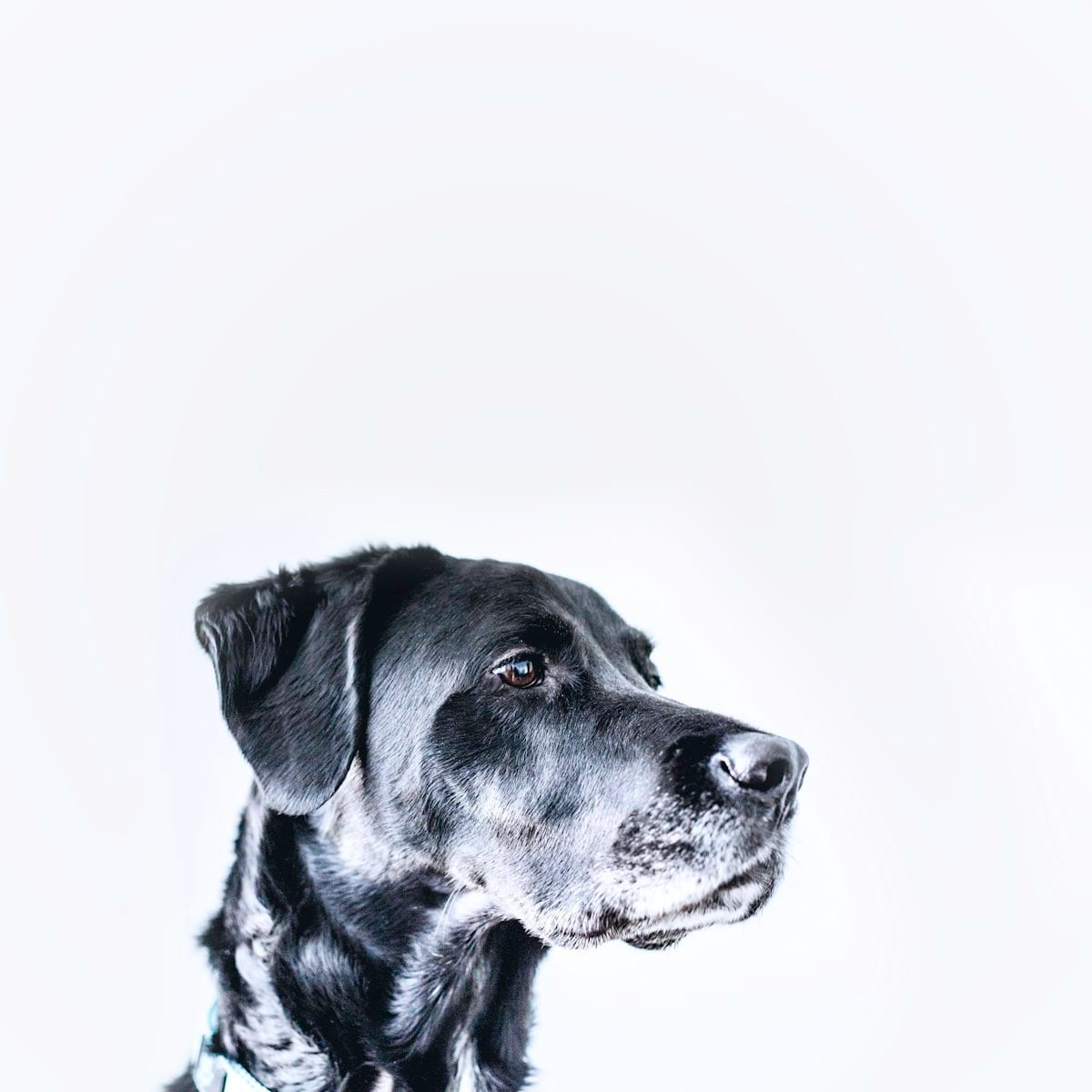
We matched our routine to the breed's real needs; retrievers as family companions is not a good fit for every household.
Meet the breed in person, ask about coat care and noise level, and budget for training—not just purchase price.

Energy and fetch drive
Labs and goldens thrive with daily exercise and retrieve games. Under-exercised retrievers chew furniture.
Match daily exercise and mental work to the breed's working history; bored dogs often develop destructive habits regardless of size.
Families considering this breed should visit adults in real homes, not only photos, to understand size, coat care, and noise level.
Shedding reality
Double coats shed year-round with seasonal spikes. Regular brushing keeps hair manageable indoors.
Budget for routine grooming, training classes, and preventive vet care—these costs often exceed purchase price over the dog's life.
Exercise planning
Schedule aerobic work plus training games. Off-leash time should happen only where recall and local laws allow.
Heat and cold tolerance vary by coat type—adjust walk timing seasonally.
Grooming routine
Brush before baths to reduce matting. Use dog-formulated shampoo and dry ears carefully after swimming.
Nail, dental, and ear care should start young so adult handling stays easy.
Training and social needs
Enroll in puppy or basic manners classes even if the breed seems "easy." Consistency prevents problem habits.
Teach a reliable recall early if the breed has prey drive or independence.
Health screening questions
Ask breeders or rescues about parent tests relevant to the breed—hips, eyes, hearts, or genetic panels vary.
Pet insurance or an emergency fund helps with unexpected specialist visits.



No comments yet.