
Few breeds are as versatile as the Barbet. From working alongside police and military to curling up on the couch with their favorite human, these dogs can do it all — provided they've been raised with the right training, socialization, and care. Here's a complete guide to everything this remarkable breed has to offer.
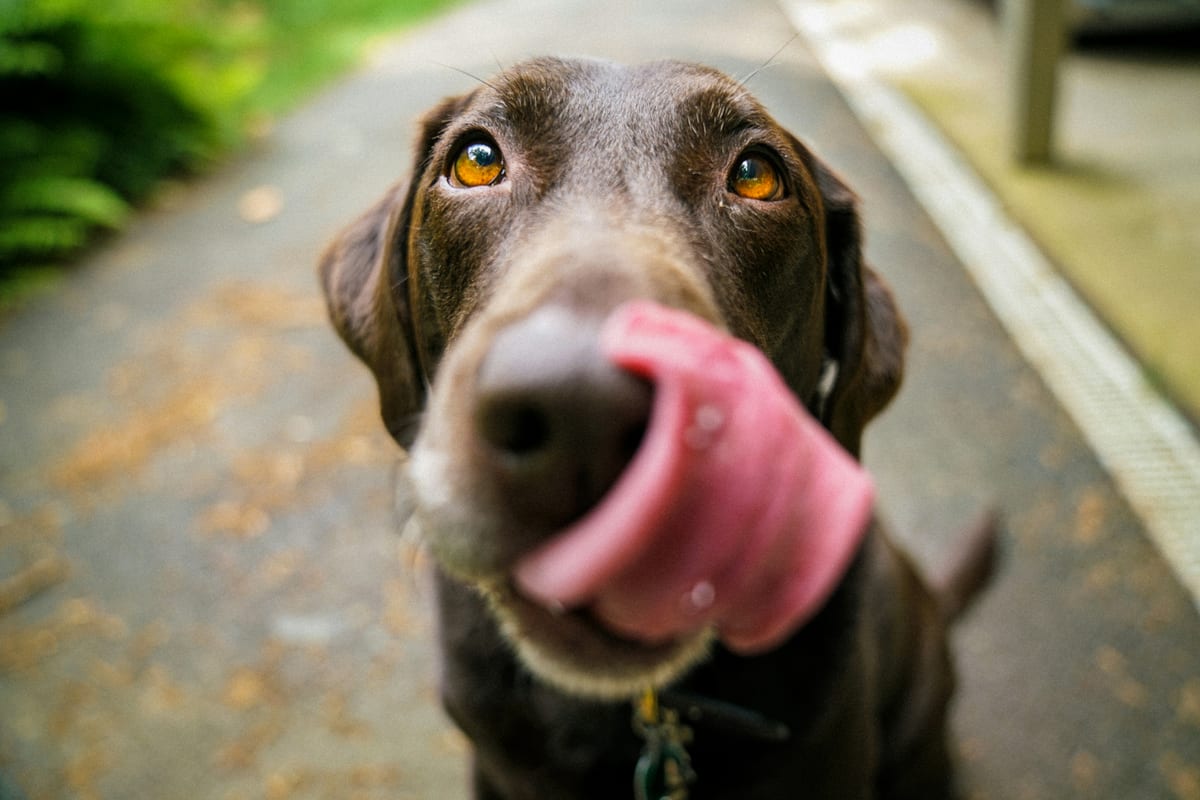
Barbet
Overview
The Barbet is a rare, ancient French water dog known for its dense, curly coat and exceptional swimming ability. Bred for centuries as a waterfowl retriever, the breed combines intelligence, athleticism, and an amiable disposition. The Barbet is distinguished by its woolly, waterproof coat and its characteristic beard and mustache, which give it a distinctive, rustic appearance. Recognized by major kennel clubs, including the Fédération Cynologique Internationale (FCI) and the American Kennel Club (AKC) in its Foundation Stock Service, the Barbet remains a relatively uncommon breed prized by enthusiasts for its versatility and gentle nature.
History & Origin
The Barbet is one of the oldest documented French water dog breeds, with references dating back to the 16th century. The breed's name derives from the French word barbe, meaning "beard," a reference to its prominent facial hair. Historically, the Barbet was developed in the marshlands and waterways of France, where it was employed as a skilled retriever of waterfowl. Its dense, water-resistant coat and webbed feet made it exceptionally adept at navigating cold, wet environments.
The Barbet is believed to be an ancestor of several modern breeds, including the Poodle, the Bichon Frise, the Briard, and the Newfoundland. Throughout the 19th and early 20th centuries, the Barbet was a popular hunting companion among French nobility and waterfowl hunters. However, the breed's numbers declined dramatically after World War I and World War II, bringing it to the brink of extinction. Dedicated efforts by French breeders in the late 20th century, led by the Club du Barbet, revived the breed through careful selection and breeding from remaining stock. Today, the Barbet remains rare but enjoys a dedicated following, particularly in Europe and North America.
Physical Characteristics
The Barbet is a medium to large, sturdy dog with a slightly rectangular build. Its most defining feature is its long, curly, woolly coat, which covers the entire body, including the head, ears, and tail. The coat is dense and waterproof, designed to protect the dog in cold water. The hair on the head forms a characteristic beard, mustache, and eyebrows, often obscuring the eyes. The coat is never clipped short for show, though it may be trimmed for practicality.
Colors accepted in the breed standard include solid black, brown, fawn, gray, white, and pied (a combination of white with patches of another color). The skin under the coat is pigmented to match the coat color. The Barbet has a broad, rounded skull with a well-defined stop, a strong muzzle, and a black or brown nose depending on coat color. The eyes are large, round, and dark brown, expressing a gentle and intelligent demeanor. The ears are long, set low, and covered with abundant hair, falling flat against the head. The tail is naturally long, carried low, and feathered with hair. The feet are round, well-padded, and often described as "webbed," aiding in swimming. Males typically stand 58–65 cm (23–26 in) at the shoulder, while females are slightly smaller at 53–61 cm (21–24 in). Weight ranges from 18 to 30 kg (40–65 lbs), with males generally heavier.
Temperament & Personality
The Barbet is known for its friendly, sociable, and even-tempered nature. It is a highly intelligent and trainable breed, eager to please its owner. The Barbet forms strong bonds with its family and is generally good with children, often displaying patience and playfulness. Its gentle disposition makes it a suitable companion for families with older children who understand how to interact respectfully with dogs.
The breed is typically friendly with strangers and other dogs, though early socialization is essential to ensure balanced behavior. Barbets generally coexist well with other pets, including cats, especially when raised together. They are not typically aggressive or overly territorial. However, the Barbet retains a strong working instinct and may exhibit a tendency to chase small animals or birds. As a water dog, it has a natural affinity for water and will seek out opportunities to swim. The breed is also known for its playful and sometimes clownish behavior, providing endless entertainment for its family.
Care & Maintenance
Exercise Requirements
The Barbet is an active, energetic breed that requires regular daily exercise to maintain physical and mental health. A minimum of 60 minutes of exercise per day is recommended, including walks, runs, and play sessions. The breed excels at swimming and retrieving, and activities such as fetch, agility, and dock diving are excellent outlets for its energy. Without sufficient exercise, the Barbet may become bored and develop destructive behaviors. The breed is well-suited to active owners who enjoy outdoor pursuits.
Grooming Needs
The Barbet's dense, curly coat demands significant grooming effort. Brushing is required at least two to three times per week to prevent matting and tangles, using a slicker brush and a metal comb. The coat should be thoroughly wetted and conditioned before brushing to avoid breakage. Professional grooming every six to eight weeks is often necessary, including trimming around the eyes, ears, and feet. The coat should never be shaved, as this can damage its texture and water-resistant properties.
Bathing is recommended every four to six weeks, or as needed, using a gentle dog shampoo and conditioner. The ears must be checked and cleaned regularly to prevent infections, as the hair inside the ear canal can trap moisture. Nails should be trimmed monthly, and dental hygiene maintained through regular brushing. Shedding is low, making the Barbet a suitable choice for allergy sufferers.
Training
The Barbet is highly intelligent and responds well to positive reinforcement training methods, including praise, treats, and play. The breed is eager to please and learns quickly, but it can be sensitive to harsh corrections. Early socialization and obedience training are crucial to develop a well-mannered adult dog. The Barbet excels in dog sports such as obedience, agility, rally, and water trials, which channel its intelligence and energy. Consistency and patience are key, as the breed may occasionally exhibit a stubborn streak. Training sessions should be varied and engaging to maintain the dog's interest.
Health
The Barbet is generally a healthy breed, but like all purebred dogs, it is predisposed to certain genetic conditions. Responsible breeders screen for hereditary issues. Common health concerns in the breed include:
- Hip Dysplasia: A malformation of the hip joint that can lead to arthritis and lameness. Hip evaluation (e.g., OFA or PennHIP) is recommended.
- Elbow Dysplasia: A developmental abnormality of the elbow joint, also requiring screening.
- Eye Conditions: Progressive retinal atrophy (PRA) and cataracts can occur. Annual eye examinations by a veterinary ophthalmologist are advised.
- Epilepsy: Some lines may be prone to seizure disorders.
- Allergies and Skin Conditions: The dense coat can predispose the breed to skin infections if not properly maintained.
- Hypothyroidism: A hormonal disorder that can be managed with medication.
The average lifespan of the Barbet is 12 to 14 years. Maintaining a healthy weight, providing regular veterinary care, and feeding a high-quality diet contribute to longevity.
Living Conditions
The Barbet adapts well to various living environments, provided its exercise and mental stimulation needs are met. It can thrive in a house with a securely fenced yard, where it can run and play safely. Apartment living is possible if the dog receives sufficient daily exercise, but the breed's size and energy level make a home with access to outdoor space more ideal. The Barbet is not suited to being left alone for long periods, as it thrives on human companionship and may develop separation anxiety. It is an indoor dog that should live as part of the family, not as a kenneled pet. The breed's love of water means owners should provide safe swimming opportunities, such as a pool or natural body of water.
Conclusion
The Barbet is a rare, versatile, and affectionate breed that combines the working instincts of a water retriever with the gentle temperament of a family dog. Its distinctive curly coat, intelligence, and love of water make it a unique and rewarding companion for active owners willing to commit to its grooming and exercise needs. While not a breed for everyone, the Barbet offers loyalty, playfulness, and a rich history that appeals to dedicated enthusiasts. With proper care, training, and socialization, the Barbet can thrive as a cherished member of the family.
References
Based on standards from major kennel clubs and breed organizations, including the Fédération Cynologique Internationale (FCI), the American Kennel Club (AKC) Foundation Stock Service, the United Kennel Club (UKC), and the Club du Barbet (France).
Common questions
Is barbet ownership guide good for first-time owners?
It depends on exercise needs, grooming load, and your daily schedule. Meet adult dogs of the breed before deciding.
How much exercise does barbet ownership guide usually need?
Look at working history, not just size. Under-exercised dogs often bark, chew, or struggle with training regardless of breed label.
What ongoing costs should I expect with barbet ownership guide?
Budget for grooming, training, preventive vet care, and quality food—these often exceed the purchase price over the dog’s life.
More in Dog Breeds
What Are the Rarest Dog Breeds?
What breed descriptions miss Breed standards describe appearance and general temperament, but individual dogs vary widely within every breed based on.

What Are the Best Fox Rescues and Shelters in The US?
Researching a breed before adopting Speaking with breed owners, visiting rescue organizations, and meeting adult dogs in person gives a more accurate.

How Much Better is a Dog's Sense of Smell Than a Human’s?
Beyond the breed description Meeting adult dogs of the breed in person teaches more about their temperament than reading breed profiles or watching online.

How to Care for a Pet Fox: Diet, Needs, Exercise, and More
Understanding breed characteristics Energy levels, grooming requirements, and trainability are tendencies rather than guarantees. Individual variation.
No comments yet.