
The Chow Chow has earned a well-deserved reputation as one of the most capable and loyal dog breeds. Whether you're looking for a working partner or a family companion, this breed can excel — but only in the right hands. Here's an honest look at what it takes to be a responsible Chow Chow owner.
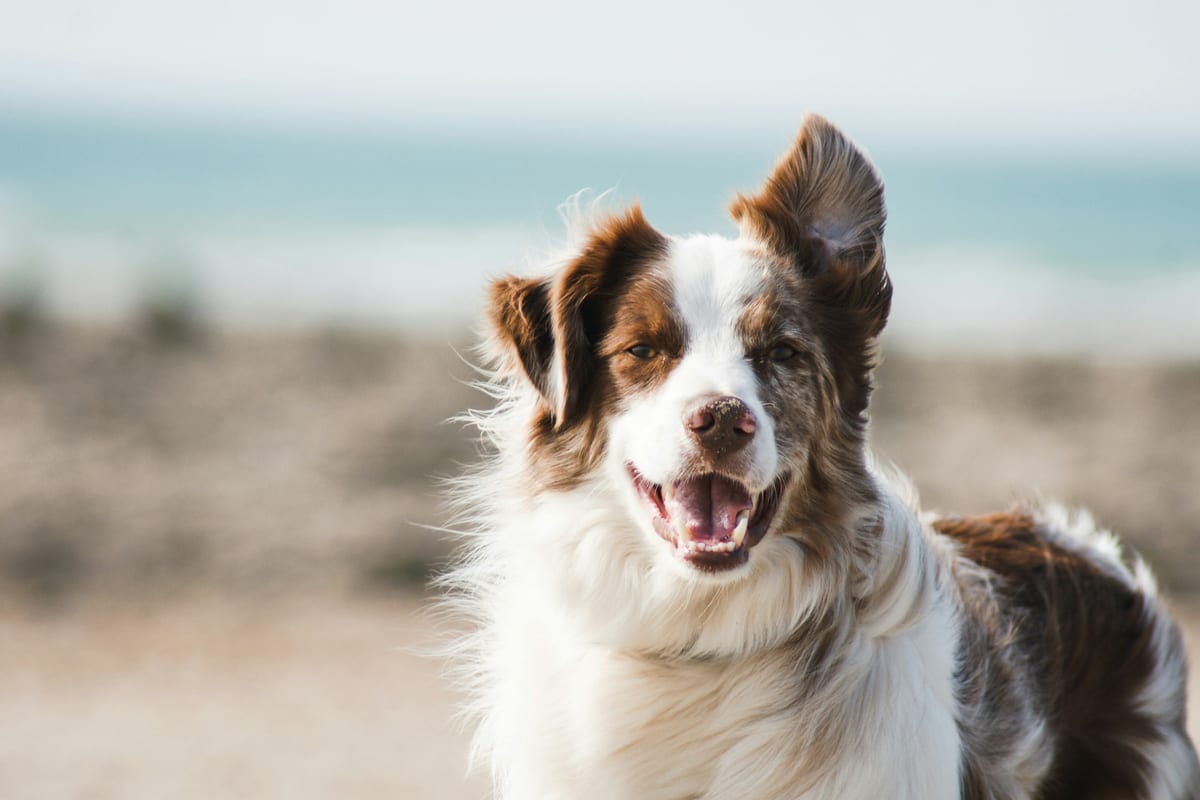
Chow Chow
Overview
The Chow Chow is an ancient and distinctive breed of dog originating from northern China. Renowned for its lion-like mane, blue-black tongue, and aloof demeanor, the Chow Chow is one of the few breeds with a solid blue-black mouth and palate. This breed is characterized by a sturdy, compact build, a proud bearing, and a unique combination of dignity and independence. While not an ideal choice for novice owners, the Chow Chow is a loyal and devoted companion for those who understand its temperament and needs.
History & Origin
The Chow Chow is one of the oldest known dog breeds, with archaeological evidence suggesting its existence in China as early as the Han Dynasty (206 BC–220 AD). Genetic studies confirm that the Chow Chow is a basal breed, meaning it diverged from the common ancestor of wolves and dogs at an early stage in canine evolution. Historically, these dogs served multiple purposes in ancient China: they were used for hunting, herding, guarding, and pulling sleds. Their thick coats provided warmth in cold climates, and their meat and fur were also utilized in some regions.
The breed's name likely derives from the Chinese term "chow chow," a pidgin English phrase used by British traders in the 18th century to refer to miscellaneous cargo, including these dogs. Chow Chows were first brought to England in the 1800s, where they gained popularity among the nobility and were exhibited in early dog shows. Queen Victoria herself owned a Chow Chow, which further elevated the breed's status. The American Kennel Club (AKC) officially recognized the breed in 1903.
Physical Characteristics
The Chow Chow is a medium-to-large, powerful dog with a distinctively regal appearance. Its most notable features include a large, broad head with a flat skull, a short, deep muzzle, and small, triangular, deep-set ears that are slightly rounded at the tips. The breed's hallmark is its blue-black tongue, gums, and palate, which is present from birth and remains throughout life. The eyes are dark, almond-shaped, and convey an aloof, dignified expression.
The Chow Chow comes in two coat varieties: the rough coat, which is abundant, straight, and dense with a harsh outer coat and a soft, woolly undercoat; and the smooth coat, which is short, plush, and dense. Both varieties have a thick ruff around the neck, giving the dog a lion-like mane. Accepted coat colors include solid red, black, blue (a dilute color), cinnamon (a light brownish shade), and cream. The tail is set high and carried curled over the back. The breed's gait is distinctive, with a stilted, staccato movement due to its straight hind legs.
Temperament & Personality
The Chow Chow is known for its independent, dignified, and sometimes aloof temperament. These dogs are not naturally gregarious; they tend to be reserved with strangers and can be fiercely loyal to their family. Chow Chows are often described as cat-like in their cleanliness and independence. They are intelligent but can be stubborn, requiring consistent and patient training from an early age.
With proper socialization, Chow Chows can coexist peacefully with children and other pets, but they are generally not recommended for households with very young children due to their protective nature and low tolerance for rough handling. They may be aggressive toward other dogs of the same sex. Early and ongoing exposure to diverse people, environments, and animals is essential to mitigate potential behavioral issues. The breed is known for its quiet demeanor; Chow Chows rarely bark without reason.
Care & Maintenance
Exercise Requirements
Chow Chows have moderate exercise needs. They require daily walks and opportunities to explore in a secure area, but they are not high-energy dogs. Overexertion should be avoided, especially in hot weather, due to their thick coats and brachycephalic (short-muzzled) anatomy, which can cause breathing difficulties. Mental stimulation through puzzle toys or training sessions is also beneficial.
Grooming Needs
The Chow Chow's dense double coat demands significant grooming attention. Rough-coated individuals require brushing at least three to four times per week to prevent matting and remove loose hair, with more frequent grooming during seasonal shedding periods. Smooth-coated Chows need less brushing but still shed heavily. Bathing should be done every few months, using a dog-specific shampoo to maintain coat health. Regular nail trimming, ear cleaning, and dental care are also essential.
Training
Training a Chow Chow can be challenging due to its independent nature. Positive reinforcement methods, such as treats and praise, are most effective. Harsh corrections or force are counterproductive and can damage the dog's trust. Early socialization and obedience training are critical to ensure a well-mannered adult dog. Chow Chows respond best to short, consistent sessions that respect their intelligence and need for autonomy.
Health
Chow Chows are generally healthy but are predisposed to several hereditary and breed-specific conditions. Common health issues include hip dysplasia, elbow dysplasia, entropion (an eyelid condition causing inward rolling), and ectropion (outward rolling of the eyelid). They are also prone to autoimmune thyroiditis, allergies, and gastric dilatation-volvulus (bloat), a life-threatening condition. Due to their thick coats, they are susceptible to heatstroke. Responsible breeders screen for these conditions through health tests such as hip and elbow evaluations, ophthalmologic exams, and thyroid function tests. The average lifespan is 9 to 15 years.
Living Conditions
Chow Chows can adapt to apartment living if provided with sufficient daily exercise, but they thrive best in homes with a securely fenced yard. They are not well-suited to hot climates due to their heavy coats and should have access to cool, shaded areas. The breed's independent nature makes it suitable for owners who respect its need for personal space. Chow Chows are generally calm indoors and do not require excessive space, but they do need a consistent routine and a calm environment.
Conclusion
The Chow Chow is a breed of profound historical significance and distinctive physical traits, most notably its blue-black tongue and lion-like mane. Its dignified, independent temperament makes it a loyal companion for experienced owners who can provide firm, consistent training and ample socialization. While the breed's high grooming needs and potential health issues require commitment, the Chow Chow rewards its family with unwavering devotion and a unique presence. Prospective owners should thoroughly research and seek reputable breeders to ensure a healthy, well-adjusted dog.
References
Based on standards from the American Kennel Club (AKC), the Kennel Club (UK), and the Fédération Cynologique Internationale (FCI). Additional information from the Chow Chow Club, Inc., and veterinary health resources.
Common questions
Is chow chow good for first-time owners?
It depends on exercise needs, grooming load, and your daily schedule. Meet adult dogs of the breed before deciding.
How much exercise does chow chow usually need?
Look at working history, not just size. Under-exercised dogs often bark, chew, or struggle with training regardless of breed label.
What ongoing costs should I expect with chow chow?
Budget for grooming, training, preventive vet care, and quality food—these often exceed the purchase price over the dog’s life.
More in Dog Breeds
What Are the Rarest Dog Breeds?
What breed descriptions miss Breed standards describe appearance and general temperament, but individual dogs vary widely within every breed based on.
What Are the Best Fox Rescues and Shelters in The US?
Researching a breed before adopting Speaking with breed owners, visiting rescue organizations, and meeting adult dogs in person gives a more accurate.
How Much Better is a Dog's Sense of Smell Than a Human’s?
Beyond the breed description Meeting adult dogs of the breed in person teaches more about their temperament than reading breed profiles or watching online.
How to Care for a Pet Fox: Diet, Needs, Exercise, and More
Understanding breed characteristics Energy levels, grooming requirements, and trainability are tendencies rather than guarantees. Individual variation.
No comments yet.