
Few dog breeds command as much respect and admiration as the Dandie Dinmont Terrier. Known for their sharp intelligence and unwavering loyalty, these dogs have served alongside humans in roles ranging from herding to police work to devoted family pet. Before you decide if this breed is right for you, here's a complete look at what life with a Dandie Dinmont Terrier actually looks like.
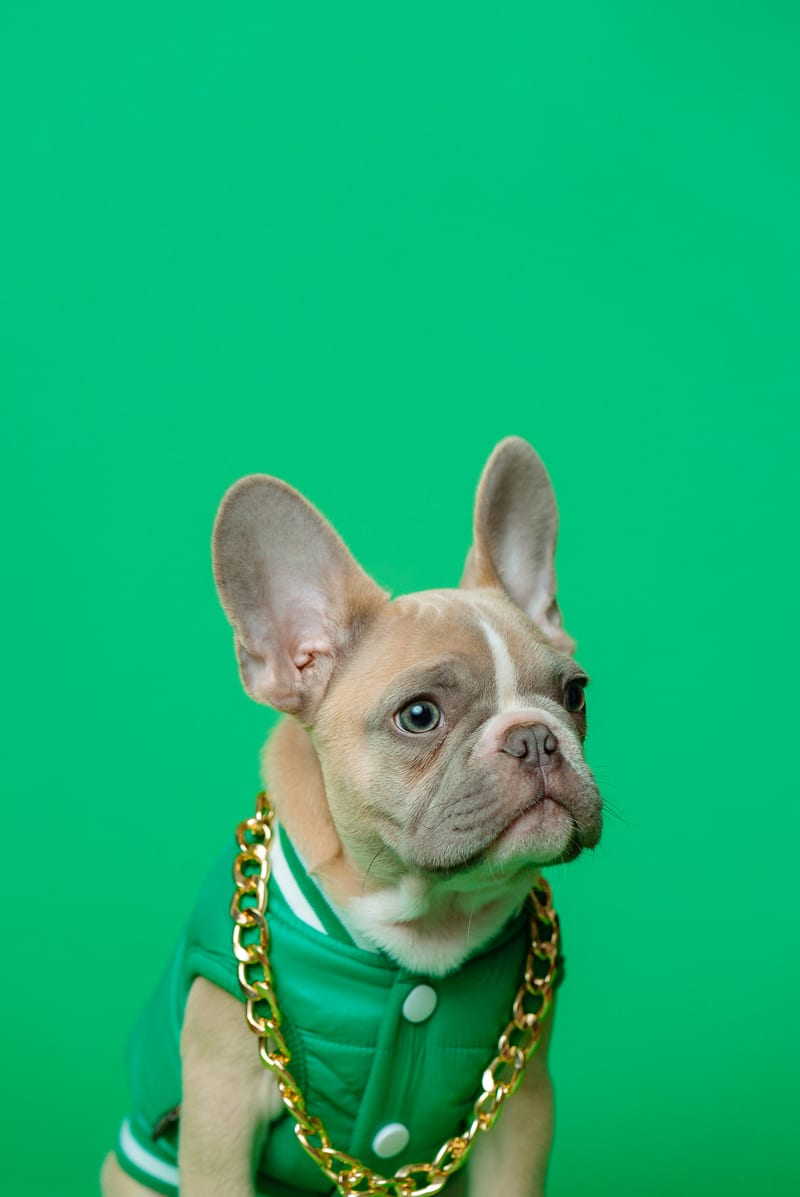
Dandie Dinmont Terrier
Overview
The Dandie Dinmont Terrier is a distinctive and rare small terrier breed originating from the border region between Scotland and England. Renowned for its unique physical appearance, characterized by a long body, short legs, and a prominent topknot of soft hair on the head, the Dandie Dinmont Terrier is one of the most recognizable yet least common terrier breeds. It was originally developed for hunting badgers and otters, but today it is primarily kept as a companion animal. The breed is noted for its independent yet affectionate nature, intelligence, and dignified demeanor, setting it apart from many more exuberant terrier breeds.
History & Origin
The Dandie Dinmont Terrier is named after a character in Sir Walter Scott’s 1815 novel Guy Mannering. In the novel, the farmer Dandie Dinmont owned a pack of "mustard and pepper" terriers, which closely matched the appearance and temperament of the breed. The name was subsequently adopted for the breed, which had already been developed by farmers and hunters in the Cheviot Hills region along the Scottish-English border.
The breed’s origins trace back to the early 18th century, when local terriers were crossed with other small dogs, possibly including the now-extinct "Otter Terrier" and the Bedlington Terrier, to create a hardy, tenacious dog capable of hunting badgers and otters in the rugged terrain. The Dandie Dinmont Terrier was prized for its courage, stamina, and ability to work independently. It gained recognition from the Kennel Club (UK) in the late 19th century, making it one of the oldest terrier breeds. However, its numbers have always been small, and it remains a rare breed today, classified as a Vulnerable Native Breed by the Kennel Club (UK).
Physical Characteristics
The Dandie Dinmont Terrier is a small, elongated dog with a distinctive silhouette. It has a long, low body, short, sturdy legs, and a deep chest. The head is large in proportion to the body, with a domed skull, a strong muzzle, and large, dark eyes that convey an expression of intelligence and dignity. The ears are pendant, set low on the skull, and covered with soft hair.
The breed’s most notable feature is the topknot—a soft, silky, and slightly wavy tuft of hair on the crown of the head, which is lighter in color than the rest of the coat. The coat itself is a double coat: the outer coat is harsh, crisp, and wiry, while the undercoat is soft and dense. The coat is typically about 5 cm (2 in) long. Two color varieties exist: pepper, which ranges from dark bluish-black to light silvery gray, and mustard, which ranges from reddish-brown to pale fawn. The legs and feet are often lighter in color, and the tail, which is carried slightly curved, is covered with darker, coarser hair.
Males typically stand 20–28 cm (8–11 in) at the withers and weigh 8–11 kg (18–24 lbs), while females are slightly smaller. The breed’s gait is free and flowing, with good reach and drive.
Temperament & Personality
The Dandie Dinmont Terrier is known for its calm, dignified, and independent temperament, which contrasts with the high energy and tenacity of many other terriers. It is a loyal and affectionate companion, forming strong bonds with its family, though it can be reserved with strangers. The breed is generally good with children, especially when raised with them, but due to its small size and independent nature, it may not tolerate rough handling.
Dandie Dinmont Terriers are intelligent and can be stubborn, which may present challenges in training. They are not typically aggressive but have a strong prey drive, particularly toward small animals such as rodents or cats. Early socialization is essential to mitigate this instinct. The breed is generally amicable with other dogs, especially when properly introduced. They are alert and make good watchdogs, but they are not excessive barkers. Overall, the Dandie Dinmont Terrier is a gentle, dignified, and devoted companion that thrives on human companionship but can also entertain itself.
Care & Maintenance
Exercise Requirements
The Dandie Dinmont Terrier has moderate exercise needs. It requires daily walks and opportunities to explore in a secure, fenced area. While it enjoys playtime and short bursts of activity, it is not a high-energy breed and is content to relax indoors. Due to its hunting heritage, it should be kept on a leash or in a securely fenced area when outdoors, as it may chase small animals. A minimum of 30–45 minutes of exercise per day is recommended to maintain physical and mental health.
Grooming Needs
The breed’s distinctive double coat requires regular grooming to maintain its texture and appearance. Brushing two to three times per week is necessary to prevent mats and tangles. The coat should be hand-stripped (plucked) two to four times per year to remove dead hair and preserve the harsh texture; clipping is generally not recommended as it can soften the coat. The topknot should be brushed gently and may require occasional trimming. Bathing should be done only when necessary, using a mild dog shampoo. Regular ear cleaning, nail trimming, and dental care are also essential.
Training
Dandie Dinmont Terriers are intelligent but can be independent and stubborn, making training a challenge for novice owners. Positive reinforcement methods, such as treats, praise, and play, are most effective. Harsh corrections should be avoided, as they can lead to resistance. Early socialization and obedience training are crucial to develop a well-mannered adult dog. Consistency and patience are key, as the breed may become bored with repetitive exercises. Activities such as scent work or canine sports can provide mental stimulation and strengthen the bond with the owner.
Health
The Dandie Dinmont Terrier is generally a healthy breed with a lifespan of 12–15 years. However, like all breeds, it is prone to certain health conditions. Common issues include intervertebral disc disease (IVDD) due to its long back, glaucoma and other eye conditions, and hypothyroidism. The breed may also be susceptible to patellar luxation and Cushing’s disease. Responsible breeders screen for these conditions, and potential owners should inquire about health clearances for the parents. Regular veterinary check-ups, a balanced diet, and maintaining a healthy weight are essential to minimize health risks.
Living Conditions
The Dandie Dinmont Terrier adapts well to various living environments, including apartments and houses, provided it receives adequate exercise. It is a relatively quiet breed and does not require a large yard, though access to a secure outdoor space is beneficial. The breed is sensitive to extreme temperatures due to its coat and should be kept in a climate-controlled environment. It does best in a home where it can be part of family activities and is not left alone for long periods, as it may become destructive or anxious. Early socialization with other pets is important, especially if a household includes small animals.
Conclusion
The Dandie Dinmont Terrier is a rare and distinctive breed with a rich history, unique appearance, and a calm, dignified temperament. While it requires consistent grooming and patient training, it makes an excellent companion for individuals and families who appreciate its independent yet affectionate nature. Its moderate exercise needs and adaptability to various living conditions make it suitable for both urban and rural settings. However, due to its rarity and specific care requirements, prospective owners should thoroughly research the breed and seek reputable breeders or rescue organizations. The Dandie Dinmont Terrier is a loyal, charming, and unforgettable dog that offers a unique blend of terrier spirit and gentle companionship.
References
Based on standards from major kennel clubs and breed organizations, including the American Kennel Club (AKC), the Kennel Club (UK), and the Dandie Dinmont Terrier Club of America.
Common questions
Is meet the dandie dinmont terrier good for first-time owners?
It depends on exercise needs, grooming load, and your daily schedule. Meet adult dogs of the breed before deciding.
How much exercise does meet the dandie dinmont terrier usually need?
Look at working history, not just size. Under-exercised dogs often bark, chew, or struggle with training regardless of breed label.
What ongoing costs should I expect with meet the dandie dinmont terrier?
Budget for grooming, training, preventive vet care, and quality food—these often exceed the purchase price over the dog’s life.
More in Dog Breeds
13 All-American Dog Breeds Born In The USA
Health considerations by breed Breed-specific health screenings exist for good reason. Researching common conditions before choosing a breeder can prevent.
11 Hypoallergenic Dog Breeds For Allergy-Sensitive Homes
Choosing a breed that fits Matching a breed to your lifestyle matters more than choosing one based on appearance or popularity trends on social media.d in.
11 Playful Dog Breeds Made For Summer Fun
Breed reputation versus reality A breed reputation for friendliness or aggression does not define every dog. Individual history, training, and.
Best Dog Frisbees for 2026: 7 Picks That Fly Far and Last
Beyond breed generalizations Mixed-breed dogs combine traits from multiple lines in unpredictable ways, making breed-based assumptions even less reliable.
No comments yet.