
The Giant Schnauzer is a breed that demands respect and rewards patience. Bred for intelligence and endurance, these dogs thrive when given a job to do and a family to protect. But their high energy and strong will mean they're best suited for owners who understand their unique needs from day one.
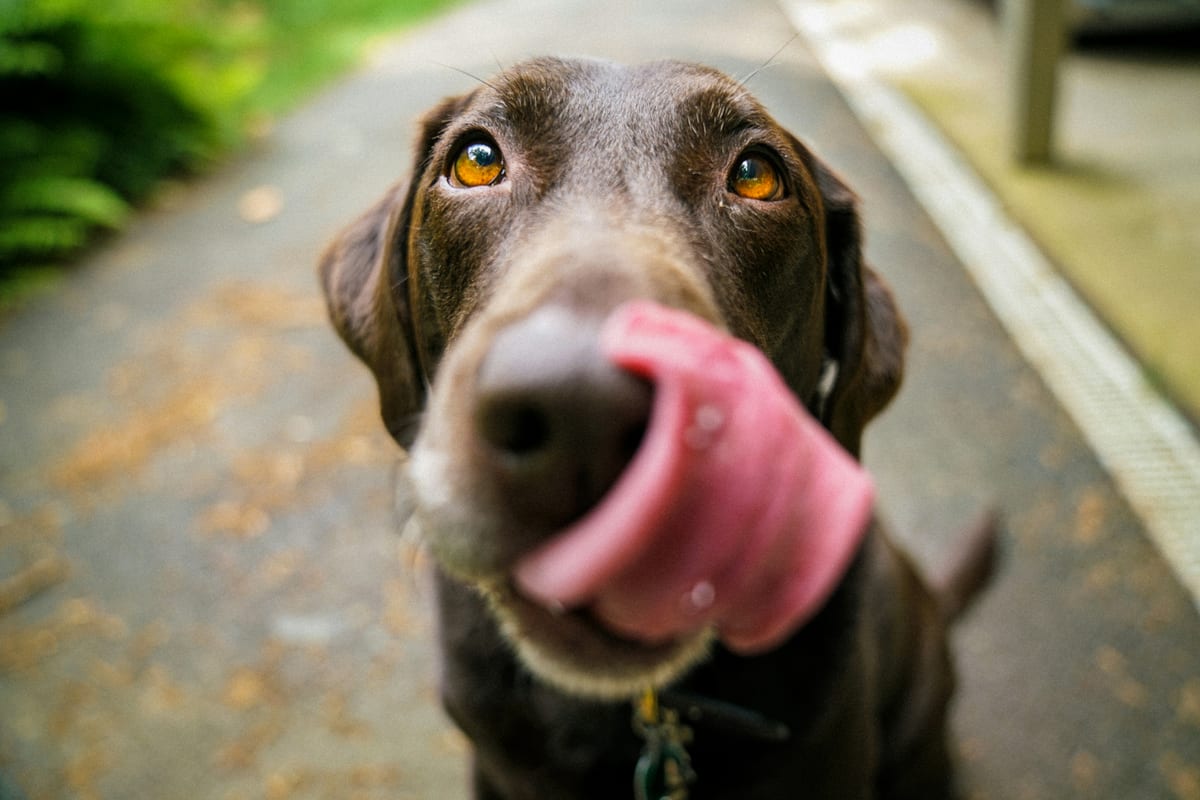
Giant Schnauzer
Overview
The Giant Schnauzer is a large, robust working dog breed originating from Germany. It is the largest of the three Schnauzer varieties—Miniature, Standard, and Giant—and is characterized by its distinctive wiry coat, bushy eyebrows, and prominent beard. Bred for versatility, the Giant Schnauzer has historically served as a cattle-driving dog, a guard dog, and a police or military working dog. The breed is known for its intelligence, loyalty, and protective nature, making it an excellent companion for experienced owners who can provide firm, consistent training and ample physical activity. With proper care, the Giant Schnauzer excels in various roles, from family guardian to competitive obedience and agility.
History & Origin
The Giant Schnauzer originated in the Bavarian and Württemberg regions of Germany during the 17th century. It was developed by crossbreeding the Standard Schnauzer with larger working breeds, including the Great Dane, the Bouvier des Flandres, and possibly the Rottweiler. The breed's primary purpose was to assist butchers and cattle dealers in driving livestock to market, as well as guarding farms and breweries. Its large size, strength, and endurance made it ideal for these demanding tasks.
By the late 19th century, the Giant Schnauzer gained recognition as a distinct breed. It was officially registered by the German Kennel Club in 1925. During the early 20th century, the breed's intelligence and trainability led to its use as a police dog in Germany, particularly in Berlin. After World War II, the Giant Schnauzer was introduced to the United States and other countries, where it gained popularity as a working and show dog. The American Kennel Club (AKC) recognized the breed in 1930 as part of the Working Group.
Physical Characteristics
The Giant Schnauzer is a powerful, muscular, and square-proportioned dog. It has a robust build with a deep chest, level back, and strong, straight legs. The head is long and rectangular, with a strong muzzle and a distinct stop. The breed's most recognizable features include its thick, bushy eyebrows, beard, and whiskers, which give it a dignified, expressive appearance. The ears are V-shaped and fold forward, though they are often cropped in some countries for traditional working purposes; in regions where cropping is banned, natural drop ears are standard.
The coat is a dense, wiry double coat that provides protection from weather and terrain. The outer coat is harsh and close-lying, while the undercoat is soft. Acceptable colors are solid black and salt-and-pepper (a mixture of black and white hairs, often with a gray undercoat). The Giant Schnauzer stands 60 to 70 cm (23.5 to 27.5 inches) at the shoulder and weighs between 25 and 48 kg (55 to 105 lbs), with males typically larger than females. The breed's gait is free, powerful, and ground-covering, reflecting its working heritage.
Temperament & Personality
The Giant Schnauzer is known for its intelligence, loyalty, and strong protective instincts. It is a confident, alert, and courageous breed that forms deep bonds with its family. While generally good-natured, it can be reserved or suspicious of strangers, making it an excellent watchdog and guardian. Early and consistent socialization is essential to prevent excessive wariness or aggression.
With proper training, the Giant Schnauzer is affectionate and playful with family members, including children. However, due to its large size and high energy, it may be too boisterous for very young children without supervision. The breed generally gets along well with other dogs and pets if raised with them, but its dominant nature may lead to conflicts with unfamiliar animals. The Giant Schnauzer is not recommended for novice owners; it requires a firm, experienced handler who can establish clear leadership and provide consistent training.
Care & Maintenance
Exercise Requirements
The Giant Schnauzer is a high-energy breed that demands substantial daily exercise. At minimum, it requires 60 to 90 minutes of vigorous activity each day, including brisk walks, running, hiking, or play sessions. The breed excels in canine sports such as obedience, agility, tracking, and protection work. Without adequate physical and mental stimulation, the Giant Schnauzer may develop destructive behaviors, such as chewing or digging. A securely fenced yard is recommended to allow for safe off-leash exercise.
Grooming Needs
The Giant Schnauzer's wiry coat requires regular maintenance to remain healthy and tidy. Brushing two to three times per week is necessary to prevent matting and remove loose hair. Professional grooming every six to eight weeks is recommended, including hand-stripping or clipping to maintain the coat's texture and shape. The beard and eyebrows should be cleaned daily to remove food debris and prevent skin irritation. Regular ear cleaning, nail trimming, and dental care are also essential components of the grooming routine. The breed sheds very little, making it a suitable choice for individuals with allergies.
Training
The Giant Schnauzer is highly intelligent and eager to learn, but it can also be independent and stubborn. Training should begin in puppyhood and be conducted with firmness, consistency, and positive reinforcement methods, such as praise and treats. Harsh corrections are counterproductive and may damage the dog's trust. Early socialization is critical to ensure the dog becomes a well-adjusted adult. The breed responds well to structured routines and clear expectations. Obedience training and mental challenges, such as puzzle toys or scent work, are highly recommended to engage the breed's sharp mind.
Health
The Giant Schnauzer is generally a healthy breed, but it is prone to certain genetic and health conditions. Responsible breeders perform health screenings to minimize risks. Common health issues include:
- Hip Dysplasia: A malformation of the hip joint that can lead to arthritis and lameness.
- Elbow Dysplasia: Similar to hip dysplasia, affecting the elbow joints.
- Pancreatitis: Inflammation of the pancreas, often related to diet.
- Hypothyroidism: An underactive thyroid gland causing weight gain and lethargy.
- Bloat (Gastric Dilatation-Volvulus): A life-threatening condition where the stomach twists, requiring immediate veterinary attention.
- Eye Disorders: Including cataracts and progressive retinal atrophy.
Recommended health tests include hip and elbow evaluations, thyroid function tests, and eye examinations by a veterinary ophthalmologist. The average lifespan is 10 to 12 years, though some individuals may live longer with proper care.
Living Conditions
The Giant Schnauzer is best suited to a home with a large, securely fenced yard. While it can adapt to apartment living if provided with sufficient daily exercise, this is not ideal due to the breed's size and energy level. The breed thrives in environments where it has space to move and a job to perform. It is not recommended for sedentary households or owners who are away for long periods. The Giant Schnauzer is sensitive to extreme heat and should have access to shade and fresh water during warm weather. Cold climates are generally well-tolerated due to its thick coat.
Conclusion
The Giant Schnauzer is a formidable and versatile working breed that combines strength, intelligence, and loyalty. It is an excellent choice for experienced owners who can meet its high exercise, training, and grooming needs. With proper socialization and consistent leadership, the Giant Schnauzer becomes a devoted family guardian and a capable working partner. Prospective owners should carefully consider the breed's requirements and seek a reputable breeder who performs health clearances. When provided with the right environment, the Giant Schnauzer is a rewarding and impressive companion.
References
Based on standards from major kennel clubs and breed organizations, including the American Kennel Club (AKC), the Fédération Cynologique Internationale (FCI), and the Giant Schnauzer Club of America.
Common questions
Is giant schnauzer good for first-time owners?
It depends on exercise needs, grooming load, and your daily schedule. Meet adult dogs of the breed before deciding.
How much exercise does giant schnauzer usually need?
Look at working history, not just size. Under-exercised dogs often bark, chew, or struggle with training regardless of breed label.
What ongoing costs should I expect with giant schnauzer?
Budget for grooming, training, preventive vet care, and quality food—these often exceed the purchase price over the dog’s life.
More in Dog Breeds

13 All-American Dog Breeds Born In The USA
Health considerations by breed Breed-specific health screenings exist for good reason. Researching common conditions before choosing a breeder can prevent.
11 Hypoallergenic Dog Breeds For Allergy-Sensitive Homes
Choosing a breed that fits Matching a breed to your lifestyle matters more than choosing one based on appearance or popularity trends on social media.d in.
11 Playful Dog Breeds Made For Summer Fun
Breed reputation versus reality A breed reputation for friendliness or aggression does not define every dog. Individual history, training, and.
Best Dog Frisbees for 2026: 7 Picks That Fly Far and Last
Beyond breed generalizations Mixed-breed dogs combine traits from multiple lines in unpredictable ways, making breed-based assumptions even less reliable.
No comments yet.