
Few dog breeds command as much respect and admiration as the Tibetan Terrier. Known for their sharp intelligence and unwavering loyalty, these dogs have served alongside humans in roles ranging from herding to police work to devoted family pet. Before you decide if this breed is right for you, here's a complete look at what life with a Tibetan Terrier actually looks like.
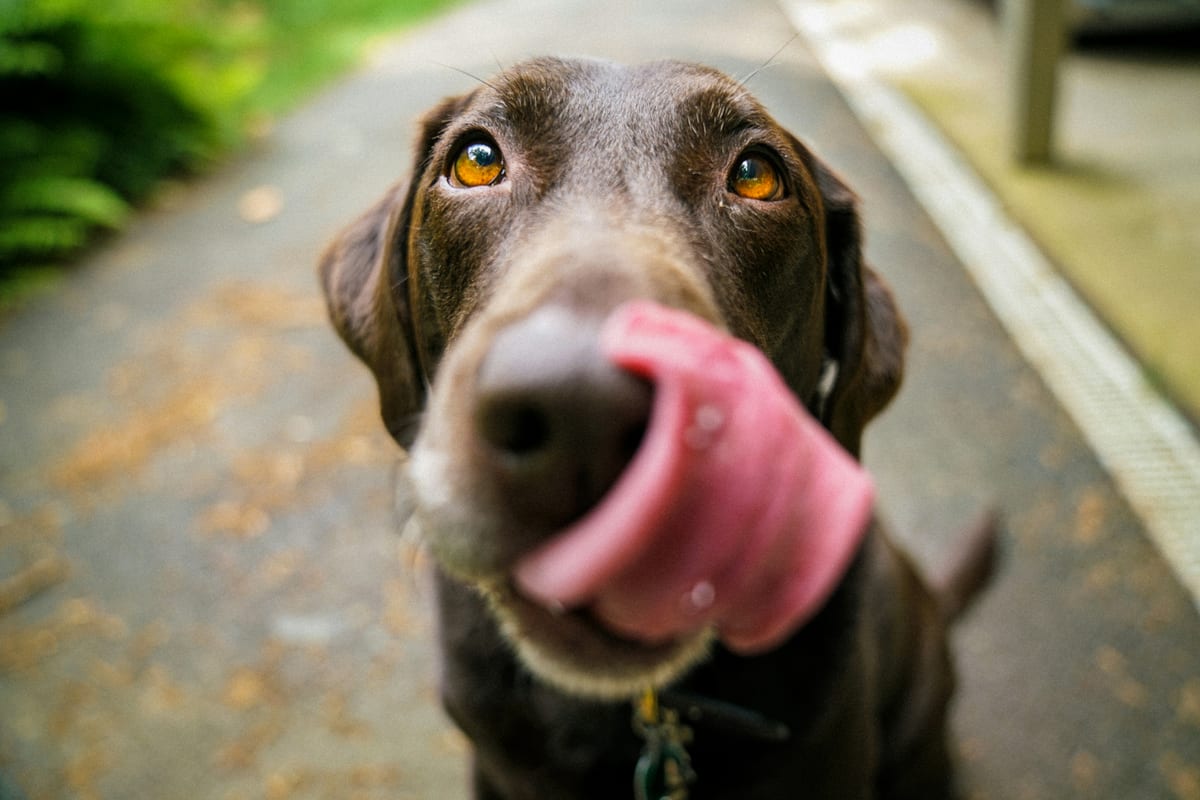
Tibetan Terrier
Overview
The Tibetan Terrier is a medium-sized, ancient breed of dog originating from the high plateaus of Tibet. Despite its name, the Tibetan Terrier is not a true terrier; the moniker was given by European travelers who noted a resemblance to terrier-type dogs. In its native land, it was known as the "Tsang Apso," meaning "shaggy dog from the province of Tsang." This breed was historically revered as a holy dog and a bringer of good luck, often kept in monasteries and used as a companion and watchdog. The Tibetan Terrier is characterized by its sturdy, square build, distinctive double coat, and engaging, intelligent expression. It is known for its affectionate, agile, and loyal nature, making it a cherished companion in modern households.
History & Origin
The Tibetan Terrier has a history that spans over two millennia, deeply intertwined with the culture and geography of Tibet. Bred and developed in the remote Himalayan mountains, these dogs were highly valued by Tibetan monks and nomads. They were considered "lucky dogs" and were never sold; instead, they were given as gifts to honor individuals or to bring good fortune. The breed served as a versatile working dog, acting as a herder, watchdog, and companion in the harsh, high-altitude environment. Their thick double coat provided insulation against the extreme cold, and their large, flat feet acted as natural snowshoes.
The breed's introduction to the Western world occurred in the early 20th century. In 1922, Dr. Agnes R. H. Greig, a British surgeon, was given a Tibetan Terrier named "Bunty" while working in India. She later brought the dog to England, where she established a breeding program. The breed was officially recognized by The Kennel Club (UK) in 1937. The American Kennel Club (AKC) recognized the Tibetan Terrier in 1973, classifying it in the Non-Sporting Group. Despite its ancient lineage, the breed remains relatively rare outside of Tibet and dedicated breeding circles.
Physical Characteristics
The Tibetan Terrier is a medium-sized, powerful dog with a square, well-balanced build. The breed's most distinctive feature is its profuse, double coat. The outer coat is long, fine, and either wavy or straight, while the undercoat is soft and woolly. This coat can be parted along the spine, creating a natural center parting. Acceptable colors include gold, white, cream, grey, black, and tricolor (black, white, and tan), with or without markings. The head is moderately rounded and carried proudly, with large, dark brown eyes that are expressive and intelligent. The ears are V-shaped, pendant, and heavily feathered, hanging close to the head.
The muzzle is strong and square, with a black nose. A distinctive feature is the large, flat, and round feet, which are well-furnished with hair between the toes, providing excellent traction on snow and rocky terrain. The tail is set high and carried curled over the back, often with a plume of hair. The average height for both males and females is 35.6 to 40.6 cm (14 to 16 inches), with a weight range of 8.2 to 13.6 kg (18 to 30 lbs). The breed's overall appearance conveys a robust, agile, and enduring nature.
Temperament & Personality
The Tibetan Terrier is renowned for its affectionate, sensitive, and intelligent temperament. It forms strong bonds with its family and is known to be particularly good with children, displaying patience and playfulness. The breed is generally friendly with strangers, though it can be reserved or aloof, making it an effective watchdog that will alert its owners to unusual activity. Tibetan Terriers are not typically aggressive, but they possess a strong independent streak, a trait inherited from their history of working autonomously in the mountains.
They generally get along well with other dogs and household pets, especially when socialized from an early age. However, their terrier-like instincts may lead them to chase small animals. The breed is known for its adaptability and can thrive in various living situations, provided it receives adequate attention and mental stimulation. Tibetan Terriers are known to be somewhat stubborn, but they are also eager to please, which can be leveraged in training. Their overall demeanor is calm indoors but lively and energetic when engaged in activities.
Care & Maintenance
Exercise Requirements
The Tibetan Terrier has a moderate to high energy level and requires daily exercise to maintain physical and mental health. A minimum of 30 to 45 minutes of activity per day is recommended, which can include walks, play sessions, or off-leash running in a secure area. The breed excels in canine sports such as agility, obedience, and rally. Without sufficient exercise, Tibetan Terriers may develop destructive behaviors or excessive barking. They are agile and enjoy climbing, so a securely fenced yard is advisable.
Grooming Needs
The Tibetan Terrier's long, profuse coat requires significant grooming commitment. Brushing is necessary at least two to three times per week to prevent matting and tangling. A thorough grooming session should involve a pin brush and a slicker brush, paying close attention to areas behind the ears, under the legs, and around the collar. Professional grooming every 4 to 6 weeks is recommended for coat maintenance and trimming. The breed is considered hypoallergenic due to its low shedding and dander production, but regular bathing (every 4 to 6 weeks) is essential to keep the coat clean and healthy. Nails should be trimmed monthly, and ears should be checked and cleaned regularly to prevent infections.
Training
Training a Tibetan Terrier requires patience, consistency, and positive reinforcement methods such as praise, treats, and play. The breed is intelligent but can be independent and stubborn, so harsh methods should be avoided. Early socialization and puppy training classes are crucial to develop a well-rounded adult dog. Tibetan Terriers respond well to clicker training and enjoy learning new tricks. They can be sensitive to tone of voice, so a calm and encouraging approach is most effective. Housebreaking can be challenging, and crate training is often recommended. The breed's independent nature means that recall training should be emphasized and practiced in a secure environment.
Health
The Tibetan Terrier is generally a healthy breed with a robust constitution, but it is predisposed to certain genetic conditions. Responsible breeders screen for health issues to minimize risks. Common health concerns include:
- Canine Hip Dysplasia (CHD): A developmental condition where the hip joint does not fit properly, leading to arthritis and pain.
- Progressive Retinal Atrophy (PRA): A degenerative eye disease that can lead to blindness.
- Lens Luxation: A condition where the lens of the eye becomes displaced, requiring surgical intervention.
- Patellar Luxation: Dislocation of the kneecap, which can cause lameness.
- Hypothyroidism: A thyroid disorder that can affect metabolism and coat quality.
- Allergies: Skin and food allergies are known to occur in the breed.
Regular veterinary check-ups, a balanced diet, and maintaining a healthy weight are essential for overall well-being. The average lifespan of a Tibetan Terrier is 12 to 15 years, with many individuals living into their late teens with proper care.
Living Conditions
The Tibetan Terrier is highly adaptable and can thrive in various living environments, including apartments and houses, provided its exercise and mental stimulation needs are met. Due to its moderate size and calm indoor demeanor, it is well-suited to apartment living, but access to a securely fenced yard is beneficial. The breed does not tolerate extreme heat well due to its thick coat, so it should have access to cool, shaded areas in warm climates. Conversely, it excels in cold weather. Tibetan Terriers are not excessive barkers but will alert their owners to visitors, making them effective watchdogs. They are best suited to homes where they are included as part of the family and not left alone for long periods, as they can develop separation anxiety.
Conclusion
The Tibetan Terrier is a unique and ancient breed that combines a rich cultural heritage with a versatile and affectionate temperament. Its distinctive appearance, characterized by a profuse double coat and large, flat feet, reflects its adaptation to the harsh Himalayan environment. While the breed requires dedicated grooming and consistent training, it rewards owners with loyalty, intelligence, and a playful spirit. The Tibetan Terrier is an excellent choice for families, singles, and seniors who can provide the attention, exercise, and mental stimulation it needs. With proper care, this "holy dog" can be a loving and enduring companion for many years.
References
Based on standards from the American Kennel Club (AKC), The Kennel Club (UK), and the Tibetan Terrier Club of America (TTCA).
Common questions
Is what it's like living with a tibetan terrier good for first-time owners?
It depends on exercise needs, grooming load, and your daily schedule. Meet adult dogs of the breed before deciding.
How much exercise does what it's like living with a tibetan terrier usually need?
Look at working history, not just size. Under-exercised dogs often bark, chew, or struggle with training regardless of breed label.
What ongoing costs should I expect with what it's like living with a tibetan terrier?
Budget for grooming, training, preventive vet care, and quality food—these often exceed the purchase price over the dog’s life.
More in Dog Breeds

13 All-American Dog Breeds Born In The USA
Health considerations by breed Breed-specific health screenings exist for good reason. Researching common conditions before choosing a breeder can prevent.
11 Hypoallergenic Dog Breeds For Allergy-Sensitive Homes
Choosing a breed that fits Matching a breed to your lifestyle matters more than choosing one based on appearance or popularity trends on social media.d in.
11 Playful Dog Breeds Made For Summer Fun
Breed reputation versus reality A breed reputation for friendliness or aggression does not define every dog. Individual history, training, and.
Best Dog Frisbees for 2026: 7 Picks That Fly Far and Last
Beyond breed generalizations Mixed-breed dogs combine traits from multiple lines in unpredictable ways, making breed-based assumptions even less reliable.
No comments yet.