
The Norwich Terrier is one of the most recognizable dog breeds in the world — and for good reason. Intelligent, loyal, and hardworking, this breed has earned its place as both a trusted working dog and a beloved family companion. But like any breed, they come with specific needs that every potential owner should understand before bringing one home.
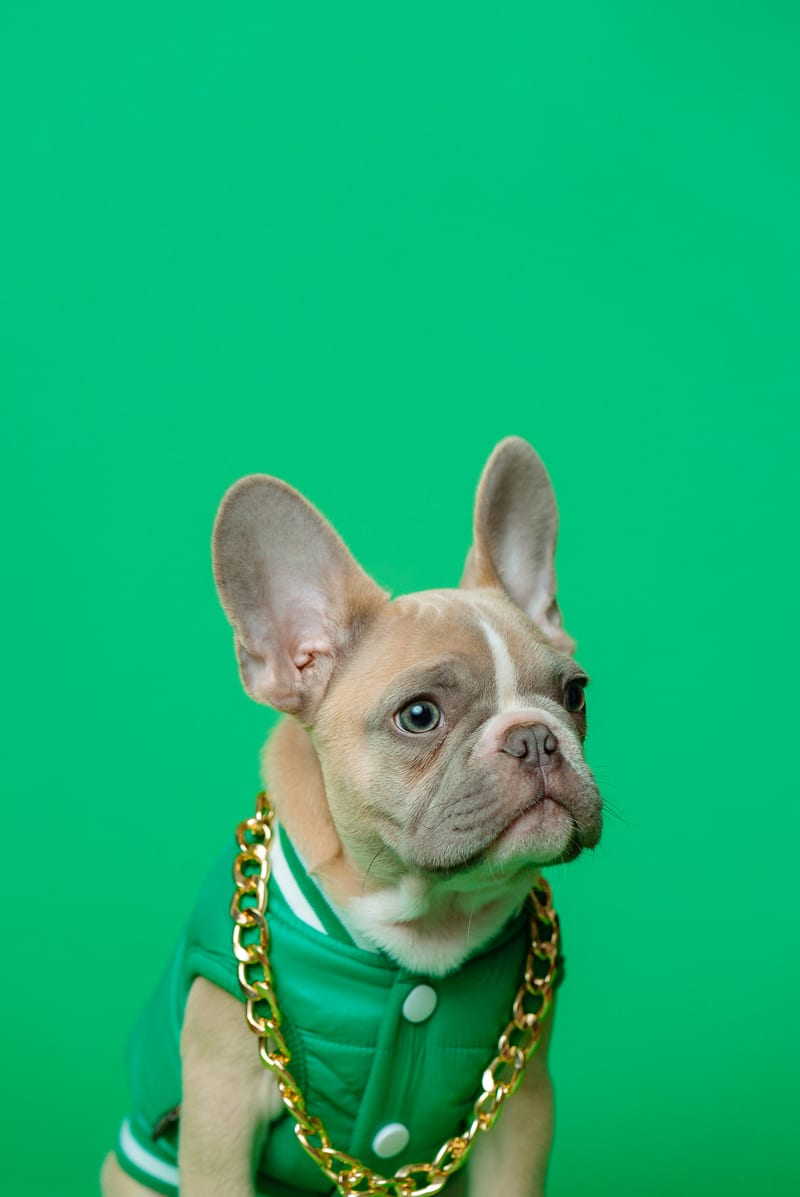
Norwich Terrier
Overview
The Norwich Terrier is a small, sturdy, and spirited breed of dog originating from the United Kingdom. Renowned for its fearless yet affectionate nature, this terrier is one of the smallest working terriers, historically bred to hunt vermin on farms and in stables. Its distinctive "prick" ears and compact, muscular build give it a fox-like appearance. The breed is known for its intelligence, loyalty, and adaptability, making it a popular companion for active individuals and families. Despite its small size, the Norwich Terrier possesses a bold and confident demeanor, characteristic of the terrier group.
History & Origin
The Norwich Terrier traces its roots to the East Anglia region of England, particularly around the city of Norwich, in the late 19th century. The breed was developed by crossing local terrier types, including the now-extinct Trumpington Terrier and the Irish Terrier, with the goal of creating a small, tenacious ratter capable of working in packs to control foxes and rodents. Early breeders, such as British dog enthusiast Frank "Roughrider" Jones, played a pivotal role in standardizing the breed. The Norwich Terrier initially shared a close relationship with the Norfolk Terrier, with both breeds distinguished primarily by ear carriage: the Norwich has erect ears, while the Norfolk has drop ears. In 1964, the two were officially recognized as separate breeds by the Kennel Club (UK) and later by the American Kennel Club (AKC) in 1979. Historically, Norwich Terriers were popular with Cambridge University students, who kept them as mascots and companions.
Physical Characteristics
The Norwich Terrier is a small, compact, and well-proportioned dog. It stands approximately 25 cm (10 in) at the shoulder and weighs between 5.0 and 5.4 kg (11–12 lb). The breed's most distinctive feature is its erect, pointed ears, which are set high on the head and contribute to its alert expression. The head is broad and slightly rounded, with a strong muzzle and dark, oval-shaped eyes that convey intelligence and curiosity. The body is short and level, with a deep chest and straight forelegs. The tail is traditionally docked in countries where this practice is legal; otherwise, it is carried naturally and may be slightly curved. The coat is double-layered: a harsh, wiry outer coat and a soft, dense undercoat. Acceptable colors include red, wheaten, black and tan, and grizzle. The breed's sturdy build and weather-resistant coat reflect its working heritage.
Temperament & Personality
The Norwich Terrier is known for its lively, affectionate, and fearless temperament. It is a highly social breed that forms strong bonds with its family and is generally good with children, provided interactions are supervised. While generally amiable, the breed retains a strong prey drive and may show assertiveness toward other small animals, including other dogs, if not properly socialized. Norwich Terriers are intelligent and independent, traits that can make training a challenge but also contribute to their engaging personality. They are alert and make excellent watchdogs, though they are not typically aggressive. Early socialization is essential to ensure they develop into well-mannered companions. The breed thrives on human companionship and may suffer from separation anxiety if left alone for extended periods.
Care & Maintenance
Exercise Requirements
Norwich Terriers are energetic dogs that require regular daily exercise to maintain physical health and mental stimulation. A minimum of 30 to 45 minutes of moderate activity, such as brisk walks, play sessions, or off-leash running in a secure area, is recommended. They excel in canine sports like agility, earthdog trials, and obedience. Without adequate exercise, they may become bored and develop destructive behaviors, such as digging or chewing.
Grooming Needs
The Norwich Terrier's wiry coat requires consistent grooming to remain healthy and mat-free. Weekly brushing with a slicker brush or comb is necessary to remove loose hair and debris. Professional grooming every 6 to 8 weeks is recommended, including hand-stripping (plucking dead hair) to maintain the coat's texture and color. Bathing should be done only when necessary to avoid stripping natural oils. Regular ear cleaning, nail trimming, and dental care are also essential components of the grooming routine.
Training
Norwich Terriers are intelligent but can be stubborn, requiring patient and consistent training methods. Positive reinforcement techniques, such as treats and praise, yield the best results. Early obedience training and socialization are crucial to manage their independent streak and prevent behavioral issues. They respond well to short, engaging sessions and may become bored with repetitive drills. Harsh corrections are counterproductive and may damage the human-canine bond.
Health
Norwich Terriers are generally healthy dogs, but like all breeds, they are predisposed to certain genetic conditions. Common health concerns include patellar luxation (dislocation of the kneecap), hip dysplasia, and respiratory issues such as tracheal collapse due to their small size. They may also be prone to eye disorders, including cataracts and progressive retinal atrophy (PRA). Additionally, the breed has a higher incidence of certain autoimmune conditions and epilepsy. Responsible breeders screen for these issues through health testing, including hip and eye evaluations. The average lifespan is 12 to 15 years, with many individuals living into their mid-teens with proper care.
Living Conditions
The Norwich Terrier is highly adaptable and can thrive in a variety of living environments, including apartments, provided its exercise needs are met. It is an indoor dog that enjoys being close to its family and should not be left outdoors for extended periods. A securely fenced yard is ideal for off-leash play, as the breed's strong prey drive may lead it to chase small animals. Due to its small size and moderate energy level, it is well-suited to urban or suburban homes. However, it may not be ideal for households with very young children or small pets unless properly introduced and supervised.
Conclusion
The Norwich Terrier is a charming, energetic, and loyal breed that excels as both a working dog and a family companion. Its small size, low-shedding coat, and adaptable nature make it suitable for a range of living situations, from apartments to houses with yards. However, prospective owners must be prepared to meet its exercise, grooming, and training needs. With proper care and socialization, the Norwich Terrier offers years of devoted companionship and spirited personality, embodying the classic terrier spirit in a compact package.
References
Based on standards from the American Kennel Club (AKC), the Kennel Club (UK), and the United Kennel Club (UKC), as well as breed-specific health information from the Norwich Terrier Club of America and veterinary resources.
Common questions
Is norwich terrier good for first-time owners?
It depends on exercise needs, grooming load, and your daily schedule. Meet adult dogs of the breed before deciding.
How much exercise does norwich terrier usually need?
Look at working history, not just size. Under-exercised dogs often bark, chew, or struggle with training regardless of breed label.
What ongoing costs should I expect with norwich terrier?
Budget for grooming, training, preventive vet care, and quality food—these often exceed the purchase price over the dog’s life.
More in Dog Breeds
What Are the Rarest Dog Breeds?
What breed descriptions miss Breed standards describe appearance and general temperament, but individual dogs vary widely within every breed based on.
What Are the Best Fox Rescues and Shelters in The US?
Researching a breed before adopting Speaking with breed owners, visiting rescue organizations, and meeting adult dogs in person gives a more accurate.
How Much Better is a Dog's Sense of Smell Than a Human’s?
Beyond the breed description Meeting adult dogs of the breed in person teaches more about their temperament than reading breed profiles or watching online.
How to Care for a Pet Fox: Diet, Needs, Exercise, and More
Understanding breed characteristics Energy levels, grooming requirements, and trainability are tendencies rather than guarantees. Individual variation.
No comments yet.