
The Irish Terrier is one of the most recognizable dog breeds in the world — and for good reason. Intelligent, loyal, and hardworking, this breed has earned its place as both a trusted working dog and a beloved family companion. But like any breed, they come with specific needs that every potential owner should understand before bringing one home.
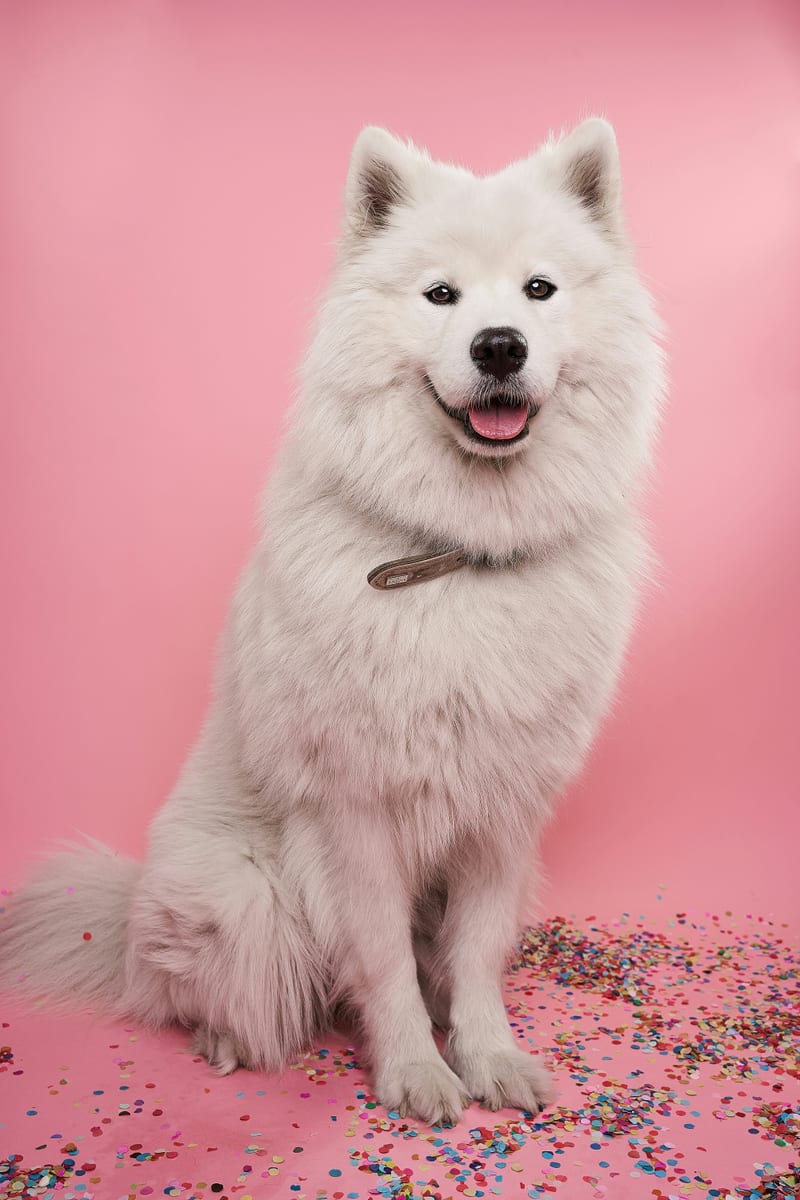
Irish Terrier
Overview
The Irish Terrier is a spirited, robust, and versatile medium-sized dog breed originating from Ireland. Often referred to as the "Daredevil" of the terrier family, this breed is known for its fiery temperament, intelligence, and unwavering loyalty. With a distinctive wiry red coat and a bold, athletic build, the Irish Terrier has historically served as a farm dog, hunter, and companion. It is recognized by major kennel clubs worldwide, including the American Kennel Club (AKC) and The Kennel Club (UK). The breed is particularly noted for its high energy levels, protective nature, and suitability for active families, though it requires experienced handling due to its strong-willed character.
History & Origin
The Irish Terrier is one of the oldest terrier breeds, with a history dating back to at least the 18th century in Ireland. It was developed primarily in County Cork and other rural areas of Ireland as a versatile working dog on farms. Breeders sought a dog that could hunt vermin, guard property, and serve as a loyal companion. The breed's ancestors likely include the now-extinct black and tan terrier types, as well as other Irish terrier varieties.
In the 19th century, the Irish Terrier gained prominence beyond Ireland. It was one of the first terrier breeds to be recognized by The Kennel Club in the United Kingdom in 1875, and the Irish Terrier Club was founded in 1879. During World War I, the breed served as a messenger and sentinel dog, further cementing its reputation for courage and reliability. The Irish Terrier's popularity peaked in the early 20th century, though it remains a relatively rare breed today. Its historical significance is marked by its status as one of the foundation breeds of the terrier group.
Physical Characteristics
The Irish Terrier is a medium-sized dog with a balanced, athletic, and wiry frame. It stands 46 to 48 cm (18 to 19 inches) at the shoulder and weighs between 11 and 12 kg (25 to 27 lbs). The breed's body is rectangular in shape, with a deep chest, straight forelegs, and moderately angled hindquarters. The head is long and narrow, with a flat skull, a slight stop, and a strong, well-developed muzzle. The ears are small, V-shaped, and drop forward, close to the cheeks. The eyes are dark, small, and full of expression, often described as "fiery" or "keen."
The coat is a defining feature of the Irish Terrier: it is dense, wiry, and close-lying, providing protection against harsh weather and terrain. The only acceptable colors are solid red, golden red, or wheaten; white markings are considered a fault in show standards. The breed is a low shedder, making it a popular choice for allergy sufferers. The tail is typically docked in some countries, though undocked tails are also common, carried high but not over the back.
Temperament & Personality
The Irish Terrier is known for its spirited, courageous, and affectionate temperament. It is often described as a "gentleman" among terriers due to its refined behavior with humans, yet it retains a tenacious and fearless attitude toward other animals. This breed is highly intelligent and alert, making it an excellent watchdog. It is deeply loyal to its family and forms strong bonds with its owners, often displaying a playful and mischievous side.
With children, the Irish Terrier can be patient and protective, though its high energy and strong prey drive require supervision. It may not tolerate rough handling and is best suited for families with older children. The breed can be aggressive toward other dogs, especially same-sex individuals, and has a strong instinct to chase small pets. Early socialization is essential to mitigate these tendencies. The Irish Terrier thrives on human companionship and may develop behavioral issues if left alone for long periods.
Care & Maintenance
Exercise Requirements
The Irish Terrier is a high-energy breed that requires substantial daily exercise. A minimum of 60 minutes of vigorous activity, such as brisk walks, running, or interactive play, is recommended. The breed enjoys activities like agility, obedience, and terrier trials, which provide both physical and mental stimulation. Without adequate exercise, the Irish Terrier may become destructive or develop excessive barking.
Grooming Needs
Grooming the Irish Terrier is relatively straightforward due to its wiry coat. Weekly brushing with a slicker brush or comb is sufficient to remove loose hair and prevent matting. Professional hand-stripping is recommended two to three times a year to maintain the coat's texture and color. Bathing should be done only as needed, as frequent bathing can strip the coat of natural oils. Regular ear cleaning, nail trimming, and dental care are also essential.
Training
The Irish Terrier is intelligent but independent, which can make training challenging. Positive reinforcement methods, such as treats and praise, are most effective. The breed responds well to firm, consistent leadership and early obedience training. Due to its strong-willed nature, the Irish Terrier is not recommended for novice owners. Socialization from puppyhood is crucial to reduce aggression toward other animals and to develop a well-rounded temperament.
Health
The Irish Terrier is generally a healthy breed with a lifespan of 13 to 15 years. However, it is prone to a few genetic health conditions. Common issues include hip dysplasia, which affects the hip joint and can lead to arthritis; hyperkeratosis, a skin condition causing thickening of the foot pads; and cystinuria, a urinary tract disorder that can cause bladder stones. The breed may also be susceptible to allergies and eye problems such as cataracts.
Responsible breeders conduct health screenings for hip dysplasia, cystinuria, and other hereditary conditions. Regular veterinary check-ups, a balanced diet, and proper exercise can help maintain the breed's health. Potential owners should obtain puppies from reputable breeders who provide health clearances for the parents.
Living Conditions
The Irish Terrier is best suited for homes with a securely fenced yard where it can run and play. While it can adapt to apartment living if provided with sufficient exercise, it is not ideal for confined spaces due to its high energy and barking tendencies. The breed thrives in rural or suburban environments where it can engage in outdoor activities. It is not recommended for homes with small pets, such as rabbits or cats, unless raised with them from a young age. The Irish Terrier is a poor choice for sedentary owners or those who are away from home for extended periods.
Conclusion
The Irish Terrier is a distinctive and spirited breed that offers a blend of courage, loyalty, and intelligence. With its striking red wiry coat and medium size, it is both a functional working dog and a devoted companion. While it requires substantial exercise, consistent training, and experienced handling, the Irish Terrier rewards its owners with unwavering devotion and a lively personality. It is best suited for active individuals or families who can meet its physical and social needs. As a rare breed, the Irish Terrier remains a treasured part of canine heritage, embodying the resilience and charm of its Irish origins.
References
Based on standards from the American Kennel Club (AKC), The Kennel Club (UK), and the Irish Terrier Club of America. Additional information from reputable breed encyclopedias and veterinary sources.
Common questions
Is irish terrier good for first-time owners?
It depends on exercise needs, grooming load, and your daily schedule. Meet adult dogs of the breed before deciding.
How much exercise does irish terrier usually need?
Look at working history, not just size. Under-exercised dogs often bark, chew, or struggle with training regardless of breed label.
What ongoing costs should I expect with irish terrier?
Budget for grooming, training, preventive vet care, and quality food—these often exceed the purchase price over the dog’s life.
More in Dog Breeds
What Are the Rarest Dog Breeds?
What breed descriptions miss Breed standards describe appearance and general temperament, but individual dogs vary widely within every breed based on.
What Are the Best Fox Rescues and Shelters in The US?
Researching a breed before adopting Speaking with breed owners, visiting rescue organizations, and meeting adult dogs in person gives a more accurate.
How Much Better is a Dog's Sense of Smell Than a Human’s?
Beyond the breed description Meeting adult dogs of the breed in person teaches more about their temperament than reading breed profiles or watching online.
How to Care for a Pet Fox: Diet, Needs, Exercise, and More
Understanding breed characteristics Energy levels, grooming requirements, and trainability are tendencies rather than guarantees. Individual variation.
No comments yet.