
The Pug is one of the most recognizable dog breeds in the world — and for good reason. Intelligent, loyal, and hardworking, this breed has earned its place as both a trusted working dog and a beloved family companion. But like any breed, they come with specific needs that every potential owner should understand before bringing one home.
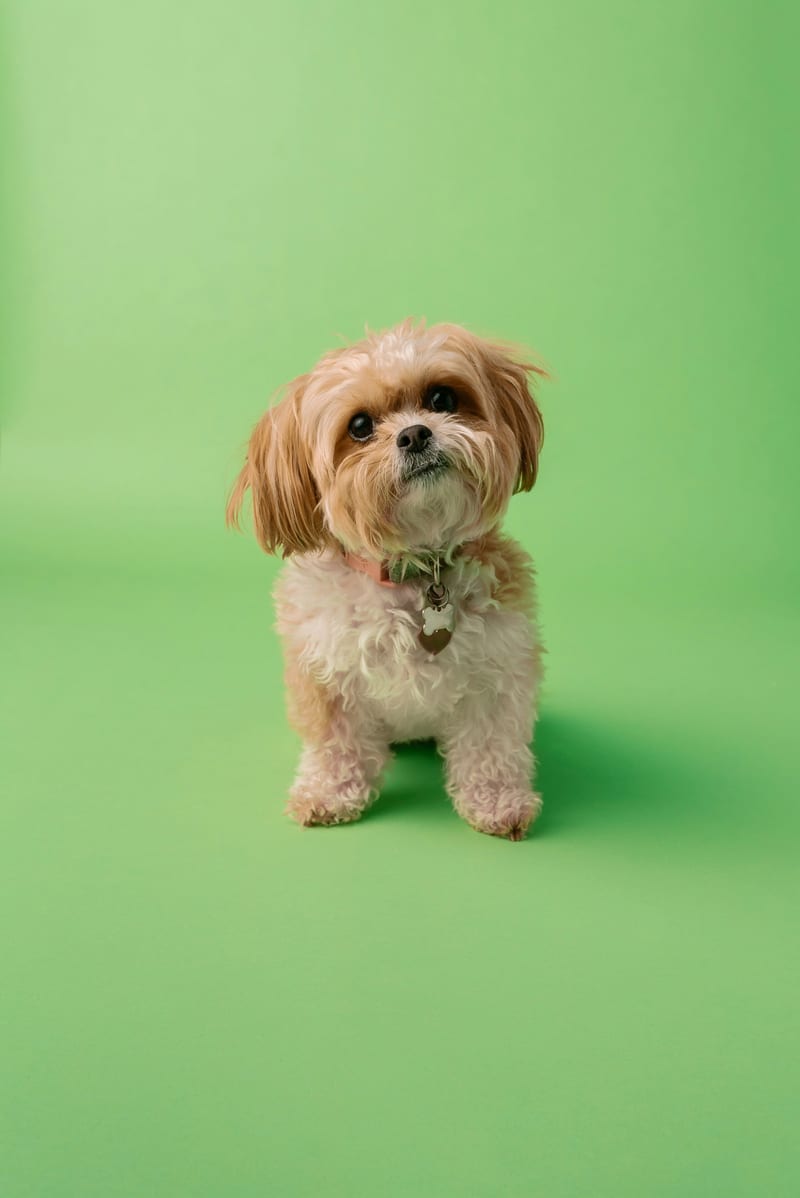
Pug
Overview
The Pug is a small, compact, and robust dog breed known for its distinctive wrinkled face, short muzzle, and curled tail. Originating in ancient China, the Pug has a long history as a companion dog, prized by royalty and nobility. Characterized by a charming, playful, and affectionate temperament, the breed is well-suited for family life and adapts readily to various living environments, particularly apartments. Despite its small stature, the Pug possesses a sturdy build and a confident, sometimes comical, personality. However, its brachycephalic (short-nosed) facial structure predisposes it to specific health challenges, requiring attentive care from owners.
History & Origin
The Pug is an ancient breed with roots tracing back to China, likely before 400 BCE. Historical records and artifacts suggest that Pug-like dogs were kept as companions in Chinese Buddhist monasteries and by the imperial families of the Tang and Song dynasties. These early dogs were highly valued and often lived in luxury, guarded by servants. The breed's name is thought to derive from the Latin word pugnus, meaning "fist," a reference to the resemblance of its facial profile to a clenched fist.
Pugs were introduced to Europe through trade routes in the 16th century, particularly via Dutch merchants. The breed quickly gained popularity among European royalty, most notably in the Netherlands, where it became associated with the House of Orange. A famous historical account recounts that a Pug named Pompey saved the life of William the Silent, Prince of Orange, by alerting him to an assassination attempt in 1572. The breed's popularity spread to England, France, and other European countries. In England, Pugs became fashionable in the Victorian era, and they were further refined through selective breeding. The breed was officially recognized by the American Kennel Club (AKC) in 1885.
Physical Characteristics
The Pug is a small but sturdy dog with a square, cobby body. Its head is large and round, with a short, blunt, square-shaped muzzle. The breed's most distinctive features include deep, symmetrical wrinkles on the forehead and a clearly defined black mask on the face. The eyes are large, dark, and prominent, giving an expression of alertness and curiosity. The ears are small, thin, and soft, typically described as "rose" or "button" ears that fold forward. The tail is curled tightly over the hip, ideally forming a double curl, which is a hallmark of the breed.
Height at the withers ranges from 25 to 33 cm (10 to 13 in), and weight typically falls between 6.3 and 8.2 kg (14 to 18 lbs). The coat is short, fine, smooth, and glossy, with a soft texture. Acceptable colors include fawn, apricot-fawn, silver-fawn, and solid black. Fawn-colored Pugs have a black mask, black ears, and a black trace line running from the occiput to the tail. The breed sheds heavily year-round, requiring regular maintenance despite its short coat.
Temperament & Personality
Pugs are renowned for their affectionate, even-tempered, and playful nature. They form strong bonds with their families and thrive on human companionship, often seeking attention and physical closeness. The breed is generally good with children, displaying patience and a gentle demeanor, though supervision is recommended with very young children due to the Pug's small size. Pugs typically get along well with other dogs and pets, especially when socialized early.
Despite their small size, Pugs have a confident and sometimes stubborn personality. They are known for their comedic antics and charming, mischievous behavior, which endears them to many owners. Pugs are not typically aggressive or excessively barky, making them suitable for apartment living. However, they can be prone to separation anxiety if left alone for long periods, as they prefer constant companionship. Their intelligence is coupled with a somewhat independent streak, which can present challenges in training.
Care & Maintenance
Exercise Requirements
Pugs have moderate exercise needs. Daily walks of 20 to 30 minutes, along with supervised playtime, are sufficient to maintain physical health and prevent obesity. Due to their brachycephalic anatomy, Pugs are highly susceptible to heat exhaustion and respiratory distress. Exercise should be avoided during hot or humid weather, and owners must ensure access to fresh water and shade. Overexertion can lead to serious health complications.
Grooming Needs
Despite their short coat, Pugs shed profusely. Regular brushing, at least two to three times per week, is necessary to manage loose hair and reduce allergens in the home. A rubber curry brush or grooming mitt is effective. The facial wrinkles require daily cleaning with a damp, soft cloth to remove dirt and moisture, preventing skin infections (dermatitis). The ears should be checked weekly for debris and cleaned as needed. Nails should be trimmed regularly, and dental hygiene, including brushing of teeth, is essential for overall health. Bathing is infrequent, typically every few months, unless the dog becomes dirty.
Training
Pugs are moderately trainable but can be stubborn. Positive reinforcement methods, such as treats, praise, and play, yield the best results. Harsh corrections are counterproductive and can damage the dog's trust. Early socialization and obedience training are crucial to prevent behavioral issues. Pugs respond well to consistency and patience, though they may become easily distracted. Crate training can assist with housebreaking, which may take longer than for some other breeds due to the Pug's independent nature.
Health
Pugs have a lifespan of 12 to 15 years, but they are predisposed to several health conditions due to their brachycephalic conformation. The most significant concerns include Brachycephalic Obstructive Airway Syndrome (BOAS), which causes breathing difficulties, snoring, and exercise intolerance. Ocular problems are common, such as proptosis (eye displacement), corneal ulcers, and dry eye (keratoconjunctivitis sicca). Skin fold dermatitis is a frequent issue in the facial wrinkles. Obesity is a major risk factor that exacerbates respiratory and joint problems. Other conditions include hip dysplasia, patellar luxation, and neurological disorders like Pug Dog Encephalitis (PDE), a fatal inflammatory brain disease. Responsible breeders conduct health screenings for these conditions. Regular veterinary check-ups, weight management, and avoiding extreme temperatures are critical for the breed's well-being.
Living Conditions
Pugs are highly adaptable and excel in apartment living due to their small size and moderate exercise needs. They are indoor dogs and should not be kept outdoors for extended periods, as they are sensitive to temperature extremes. A climate-controlled environment is ideal. Pugs thrive in homes where they have close contact with their owners and are not left alone for long hours. They are suitable for families, singles, and seniors, provided their health needs are met. Access to stairs should be monitored, as their short legs and potential joint issues can make climbing difficult.
Conclusion
The Pug is a charming, affectionate, and historically significant companion breed. Its distinctive appearance and playful personality have made it a beloved pet worldwide. However, potential owners must be aware of the breed's specific health vulnerabilities, particularly related to its brachycephalic structure, and commit to diligent care, including regular grooming, moderate exercise, and preventive veterinary attention. With proper management, the Pug offers loyal companionship and a uniquely endearing presence in the home.
References
Based on standards from major kennel clubs and breed organizations, including the American Kennel Club (AKC), The Kennel Club (UK), and the Fédération Cynologique Internationale (FCI). Additional information sourced from veterinary literature on brachycephalic breeds and historical breed archives.
Common questions
Is pug facts good for first-time owners?
It depends on exercise needs, grooming load, and your daily schedule. Meet adult dogs of the breed before deciding.
How much exercise does pug facts usually need?
Look at working history, not just size. Under-exercised dogs often bark, chew, or struggle with training regardless of breed label.
What ongoing costs should I expect with pug facts?
Budget for grooming, training, preventive vet care, and quality food—these often exceed the purchase price over the dog’s life.
More in Dog Breeds
What Are the Rarest Dog Breeds?
What breed descriptions miss Breed standards describe appearance and general temperament, but individual dogs vary widely within every breed based on.
What Are the Best Fox Rescues and Shelters in The US?
Researching a breed before adopting Speaking with breed owners, visiting rescue organizations, and meeting adult dogs in person gives a more accurate.
How Much Better is a Dog's Sense of Smell Than a Human’s?
Beyond the breed description Meeting adult dogs of the breed in person teaches more about their temperament than reading breed profiles or watching online.
How to Care for a Pet Fox: Diet, Needs, Exercise, and More
Understanding breed characteristics Energy levels, grooming requirements, and trainability are tendencies rather than guarantees. Individual variation.
No comments yet.