
There's a reason the Labradoodle is one of the most recognized and respected breeds in the world. These dogs combine intelligence with loyalty in a way that few other breeds can match. But owning one is a serious commitment. This guide covers everything from their temperament to their health needs to help you decide if this is the right breed for you.

Labradoodle
Overview
The Labradoodle is a crossbreed dog developed by crossing the Labrador Retriever with the Standard Poodle. Originally created in Australia during the late 20th century, the breed was intended to produce a guide dog with a non-shedding coat suitable for allergy sufferers. The Labradoodle has since gained international popularity as a family companion, therapy dog, and service animal, known for its intelligence, affectionate nature, and variable coat types. While not recognized as a pure breed by major kennel clubs, it is considered a designer dog and is often bred in subsequent generations to stabilize traits.
History & Origin
The Labradoodle was first intentionally bred in 1989 by Wally Conron, who worked for the Royal Guide Dog Association of Australia. Conron aimed to create a guide dog for a visually impaired woman whose husband was allergic to dog dander. By crossing a Labrador Retriever with a Standard Poodle, he hoped to combine the Labrador's trainability and temperament with the Poodle's low-shedding coat. The first litter produced a dog named Sultan, which successfully served as a guide dog and exhibited minimal shedding.
The breed's early success generated significant media attention, leading to widespread demand. However, Conron later expressed concerns about the uncontrolled breeding that followed, as many puppies did not inherit the desired low-shedding coat or consistent temperament. Despite these challenges, dedicated breeders have worked to develop multigenerational Labradoodles, particularly in Australia and the United States, aiming for predictable traits. The Labradoodle remains a crossbreed rather than a standardized pure breed, but it is recognized by several designer dog registries and breed clubs.
Physical Characteristics
The Labradoodle exhibits a wide range of physical traits due to its hybrid nature. Size varies depending on the parent breeds, with three common categories: Standard (height 50–65 cm, weight 23–40 kg), Medium (height 43–52 cm, weight 13–20 kg), and Miniature (height 35–43 cm, weight 7–13 kg). The body is typically athletic and well-proportioned, with a deep chest and strong legs.
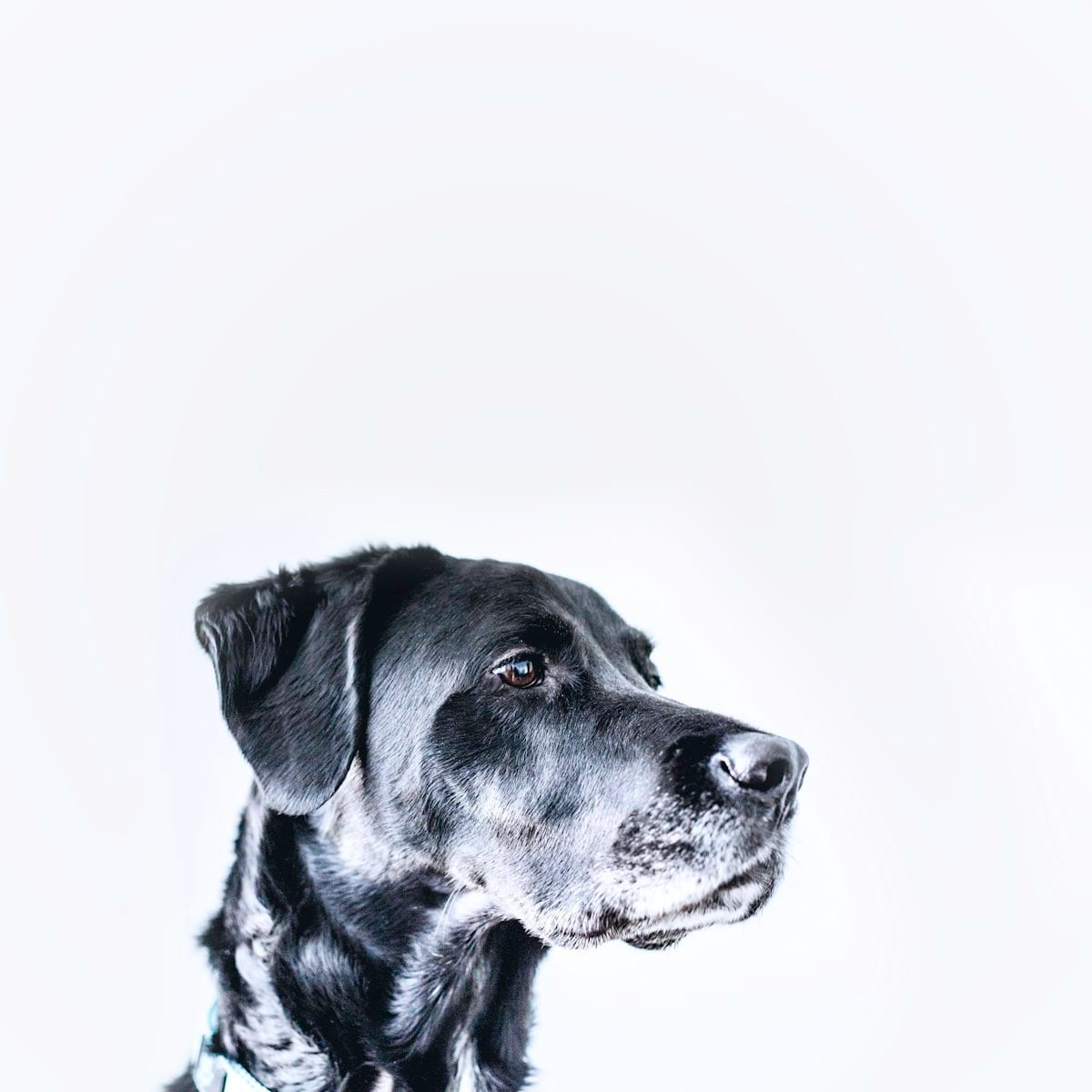
The coat is a defining feature and comes in three primary types: wool (tight, dense curls similar to a Poodle), fleece (soft, wavy, and loose), and hair (straight or slightly wavy, similar to a Labrador). Wool and fleece coats are typically low-shedding, while hair coats shed more. Common colors include cream, apricot, chocolate, black, red, silver, and parti-colors (two or more colors). The head is broad with a moderate stop, and the eyes are dark and expressive. The ears are pendant-shaped and set close to the head.
Temperament & Personality
The Labradoodle is renowned for its friendly, intelligent, and eager-to-please temperament. It inherits the Labrador Retriever's sociable and outgoing nature, combined with the Poodle's sharp intelligence and alertness. These dogs are typically excellent with children, displaying patience and playfulness, and they generally get along well with other pets when properly socialized. They are highly trainable and often excel in obedience, agility, and therapy work.
Labradoodles are known for their affectionate and loyal disposition, forming strong bonds with their families. They can be sensitive to harsh training methods and respond best to positive reinforcement. While they are generally not aggressive, they may be reserved with strangers initially and can develop separation anxiety if left alone for extended periods. Early socialization is crucial to ensure a well-rounded adult dog.
Care & Maintenance
Exercise Requirements
The Labradoodle has a moderate to high energy level, requiring at least 30 to 60 minutes of daily exercise. Activities such as brisk walks, jogging, fetch, and swimming are ideal, as the breed often inherits a love for water from the Labrador Retriever. Without sufficient physical and mental stimulation, Labradoodles may develop destructive behaviors. They thrive in homes with secure yards but can adapt to apartment living if provided with regular outdoor access and enrichment.
Grooming Needs
Grooming requirements vary significantly based on coat type. Dogs with wool or fleece coats require daily brushing to prevent matting and tangling, along with professional grooming every 6 to 8 weeks. Hair-coated Labradoodles shed more and need brushing several times a week. Regular ear cleaning is essential to prevent infections, and dental hygiene should be maintained through routine brushing. Bathing is recommended every 4 to 6 weeks or as needed.
Training
Labradoodles are highly intelligent and generally easy to train, making them suitable for novice owners. They respond exceptionally well to positive reinforcement techniques, including treats, praise, and play. Consistency and early obedience training are important to channel their intelligence and prevent stubbornness. They excel in advanced training for service work, therapy, and canine sports. Challenges may include a strong prey drive or distractibility, which can be managed with focused training sessions.
Health
The Labradoodle is generally a healthy breed with a lifespan of 12 to 15 years, but it is prone to inherited health conditions from both parent breeds. Common issues include hip dysplasia, elbow dysplasia, progressive retinal atrophy (PRA), and von Willebrand's disease. Allergies, ear infections, and skin conditions are also frequent concerns, especially in dogs with floppy ears and dense coats. Some Labradoodles may develop exercise-induced collapse (EIC) or Addison's disease. Reputable breeders conduct health screenings, including hip and elbow evaluations, eye examinations, and genetic testing for PRA and other conditions. Regular veterinary check-ups and a balanced diet are essential for maintaining overall health.
Living Conditions
The Labradoodle adapts well to various living environments, including apartments, suburban homes, and rural properties, provided its exercise and mental stimulation needs are met. It is not suited for a sedentary lifestyle and requires a family committed to daily activity. The breed thrives in homes with fenced yards where it can run and play safely. Labradoodles are social animals and do best when they are part of the family, not left isolated outdoors. They are sensitive to extreme temperatures, particularly heat, and should have access to shade and water.
Conclusion
The Labradoodle is a versatile and affectionate crossbreed that combines the best traits of the Labrador Retriever and Poodle. Its intelligence, friendly temperament, and low-shedding coat make it a popular choice for families, allergy sufferers, and service work. However, potential owners should be aware of the breed's variable traits, high exercise needs, and grooming requirements. Responsible breeding practices and early socialization are essential to ensure a healthy and well-adjusted dog. The Labradoodle remains a beloved companion, though its status as a designer dog continues to spark debate within the purebred dog community.
References
Based on standards from major kennel clubs and breed organizations, including the American Kennel Club (AKC) as a Foundation Stock Service breed, the Australian Labradoodle Association, and the International Labradoodle Association.
Common questions
Is is a labradoodle right for you? a complete owner's guide good for first-time owners?
It depends on exercise needs, grooming load, and your daily schedule. Meet adult dogs of the breed before deciding.
How much exercise does is a labradoodle right for you? a complete owner's guide usually need?
Look at working history, not just size. Under-exercised dogs often bark, chew, or struggle with training regardless of breed label.
What ongoing costs should I expect with is a labradoodle right for you? a complete owner's guide?
Budget for grooming, training, preventive vet care, and quality food—these often exceed the purchase price over the dog’s life.
More in Dog Breeds
What Are the Rarest Dog Breeds?
What breed descriptions miss Breed standards describe appearance and general temperament, but individual dogs vary widely within every breed based on.

What Are the Best Fox Rescues and Shelters in The US?
Researching a breed before adopting Speaking with breed owners, visiting rescue organizations, and meeting adult dogs in person gives a more accurate.

How Much Better is a Dog's Sense of Smell Than a Human’s?
Beyond the breed description Meeting adult dogs of the breed in person teaches more about their temperament than reading breed profiles or watching online.

How to Care for a Pet Fox: Diet, Needs, Exercise, and More
Understanding breed characteristics Energy levels, grooming requirements, and trainability are tendencies rather than guarantees. Individual variation.
No comments yet.