
The Doberman Pinscher has a reputation that precedes it — and in most cases, that reputation is well deserved. These are dogs of remarkable ability and character, but they are not for everyone. Understanding their temperament, exercise needs, and health concerns is essential if you're considering adding one to your family.
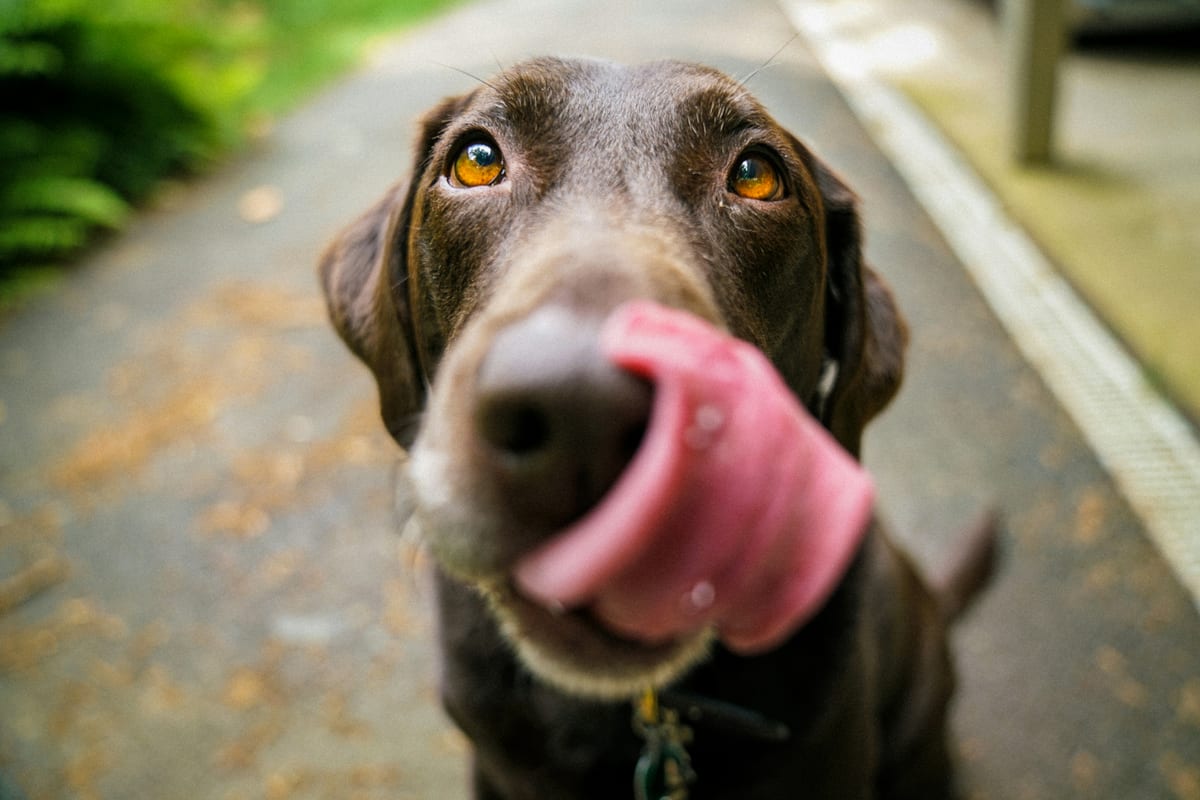
Doberman Pinscher
Overview
The Doberman Pinscher is a medium-to-large breed of domestic dog, renowned for its intelligence, loyalty, and sleek, powerful physique. Developed in Germany during the late 19th century, the breed was originally created for personal protection and guard work. Today, the Doberman excels in a variety of roles, including police and military work, search and rescue, competitive obedience, and as a devoted family companion. Its reputation as a formidable guardian is balanced by a gentle and affectionate nature when properly socialized and trained. The breed is consistently ranked among the most intelligent dog breeds, making it highly trainable but also requiring experienced handling to channel its energy and drive constructively.
History & Origin
The Doberman Pinscher was developed in the town of Apolda, in the German state of Thuringia, around 1890. The breed's creator was Karl Friedrich Louis Dobermann, a tax collector, night watchman, and dog catcher. Dobermann needed a dog that was both intimidating and loyal to accompany him on his rounds through potentially dangerous areas. He set out to create a breed that combined strength, endurance, intelligence, and a protective temperament. The exact combination of breeds used in the Dobermann's development is not definitively recorded, but it is widely believed to include the German Pinscher, the Rottweiler, the Black and Tan Terrier (Manchester Terrier), and the Weimaraner. Some sources also suggest contributions from the Beauceron and the German Shepherd Dog. The resulting breed was initially known as the "Thuringian Pinscher" or "Dobermann's Dog." After Louis Dobermann's death in 1894, the breed was refined by other German breeders, most notably Otto Göller, who is credited with standardizing the breed's appearance and temperament. The breed was officially recognized by the American Kennel Club (AKC) in 1908 and has since become a popular choice for working and companion roles worldwide.
Physical Characteristics
The Doberman Pinscher presents a striking and elegant appearance, characterized by a muscular, athletic build and a proud, alert stance. The breed is medium-to-large in size, with males standing 66 to 71 cm (26 to 28 inches) at the shoulder and females 61 to 66 cm (24 to 26 inches). Weight ranges from 34 to 45 kg (75 to 100 lbs) for males and 27 to 41 kg (60 to 90 lbs) for females. The head is long and dry, forming a blunt wedge shape when viewed from the side. The eyes are almond-shaped, of medium size, and dark in color, conveying an expression of keen intelligence and alertness. The ears, when cropped (a practice that is increasingly banned in many countries), are carried erect; when left natural, they fold and hang close to the head. The tail is traditionally docked short in countries where the practice is legal, but in its natural state, it is long and carried in a slight curve. The coat is short, smooth, and close-lying, with a glossy sheen. The only recognized colors are black and rust, red and rust, blue and rust, and fawn and rust. The rust markings are clearly defined and appear above each eye, on the muzzle, throat, chest, legs, and under the tail. The breed’s gait is free, balanced, and vigorous, with good reach and drive, reflecting its heritage as a working dog.
Temperament & Personality
The Doberman Pinscher is a breed of sharp intelligence, unwavering loyalty, and considerable energy. It is inherently alert and watchful, making it an exceptional guardian. However, contrary to its sometimes fearsome reputation, a well-bred and properly socialized Doberman is typically affectionate, gentle, and playful with its family. The breed is known for being highly sensitive to its owner's emotions and is often described as a "velcro dog" due to its desire to be close to its human companions. Dobermans are generally good with children when raised with them, though their size and energy require supervision with younger children. They can coexist with other pets, including dogs and cats, if introduced and socialized early. The breed’s strong protective instincts mean it can be reserved or aloof with strangers, but aggression is not a hallmark of the breed; instead, it is a confident and discerning watchdog. Early and consistent socialization is crucial to ensure the Doberman develops into a well-mannered and stable adult. The breed is not recommended for novice owners due to its need for firm, consistent leadership and extensive mental and physical stimulation.
Care & Maintenance
Exercise Requirements
The Doberman Pinscher is a high-energy, athletic breed that requires substantial daily exercise to maintain its physical and mental well-being. A minimum of one to two hours of vigorous activity is recommended each day. This should include structured activities such as brisk walks, jogging, or hiking, as well as off-leash play in a secure area. The breed excels in canine sports such as agility, obedience, Schutzhund, and tracking, which provide excellent outlets for its energy and intelligence. A bored or under-exercised Doberman can become destructive, hyperactive, or develop behavioral problems. Mental stimulation through puzzle toys, training sessions, and interactive games is equally important.
Grooming Needs
The Doberman's short, smooth coat is remarkably low-maintenance. Weekly brushing with a rubber curry brush or a hound glove is sufficient to remove loose hair and distribute skin oils. The breed sheds moderately year-round. Bathing is only necessary when the dog becomes dirty, as frequent bathing can strip the coat of its natural oils. Routine care includes regular nail trimming, ear cleaning (particularly if the ears are cropped), and dental hygiene to prevent periodontal disease. The Doberman is a clean breed with minimal doggy odor.
Training
The Doberman Pinscher is one of the most trainable dog breeds, thanks to its high intelligence, eagerness to please, and strong work ethic. Training should begin early and be consistent, using positive reinforcement methods such as praise, treats, and play. Harsh corrections are counterproductive and can damage the dog's trust. The breed responds exceptionally well to clear, firm, and fair leadership. Early socialization is critical to ensure the dog is comfortable in a variety of environments and with different people and animals. Dobermans are quick learners and can master complex commands and tasks, making them excellent candidates for advanced obedience and protection work. However, their intelligence also means they can become bored with repetitive training; variety and challenge are key to maintaining their engagement.
Health
The Doberman Pinscher is generally a healthy breed, but it is predisposed to several genetic and hereditary health conditions. Responsible breeders screen for these issues. Common health concerns include dilated cardiomyopathy (DCM), a serious heart condition that can lead to heart failure; von Willebrand's disease (vWD), a bleeding disorder; hip dysplasia, a malformation of the hip joint; and cervical vertebral instability (Wobbler syndrome), affecting the spine. The breed is also prone to hypothyroidism, a condition affecting the thyroid gland, and a specific form of hepatitis. Progressive retinal atrophy (PRA) and other eye disorders can also occur. Recommended health tests include cardiac evaluation (echocardiogram and Holter monitor), hip evaluation, von Willebrand's disease DNA test, and thyroid evaluation. The average lifespan of a Doberman Pinscher is 10 to 12 years, though some individuals may live longer with excellent care.
Living Conditions
While the Doberman Pinscher is a large, active dog, it can adapt to apartment living if provided with sufficient daily exercise and mental stimulation. However, it thrives best in a home with a securely fenced yard where it can run and play freely. The breed is not suited for outdoor living or being left alone for long periods, as it is a highly social animal that needs to be part of the family. Dobermans are sensitive to cold weather due to their short coat and should have access to warm indoor accommodations. A home with an experienced owner who can provide structure, training, and ample attention is ideal. The breed’s protective nature makes it an excellent watchdog, and it will alert its family to any perceived intruders.
Conclusion
The Doberman Pinscher is a remarkable breed that combines elegance, intelligence, and formidable working ability. It is a loyal and devoted companion for those who can meet its needs for exercise, training, and companionship. While its protective instincts and high energy levels require an experienced and committed owner, the Doberman rewards dedication with unwavering loyalty and affection. Prospective owners should thoroughly research the breed's health concerns and seek out reputable breeders who perform comprehensive health testing. When properly raised and socialized, the Doberman Pinscher is not only a superb guardian but also a gentle and loving family member.
References
Based on standards from major kennel clubs and breed organizations, including the American Kennel Club (AKC), the United Kennel Club (UKC), and the Fédération Cynologique Internationale (FCI). Additional information drawn from veterinary sources and breed-specific literature.
Common questions
Is doberman pinscher breed guide good for first-time owners?
It depends on exercise needs, grooming load, and your daily schedule. Meet adult dogs of the breed before deciding.
How much exercise does doberman pinscher breed guide usually need?
Look at working history, not just size. Under-exercised dogs often bark, chew, or struggle with training regardless of breed label.
What ongoing costs should I expect with doberman pinscher breed guide?
Budget for grooming, training, preventive vet care, and quality food—these often exceed the purchase price over the dog’s life.
More in Dog Breeds
What Are the Rarest Dog Breeds?
What breed descriptions miss Breed standards describe appearance and general temperament, but individual dogs vary widely within every breed based on.
What Are the Best Fox Rescues and Shelters in The US?
Researching a breed before adopting Speaking with breed owners, visiting rescue organizations, and meeting adult dogs in person gives a more accurate.

How Much Better is a Dog's Sense of Smell Than a Human’s?
Beyond the breed description Meeting adult dogs of the breed in person teaches more about their temperament than reading breed profiles or watching online.
How to Care for a Pet Fox: Diet, Needs, Exercise, and More
Understanding breed characteristics Energy levels, grooming requirements, and trainability are tendencies rather than guarantees. Individual variation.
No comments yet.