
If you're drawn to the Old English Sheepdog, you're not alone. This breed consistently ranks among the most popular dogs worldwide, admired for their intelligence, versatility, and deep bond with their owners. But popularity doesn't mean they're the right fit for every household. Here's what you need to know before making the commitment.
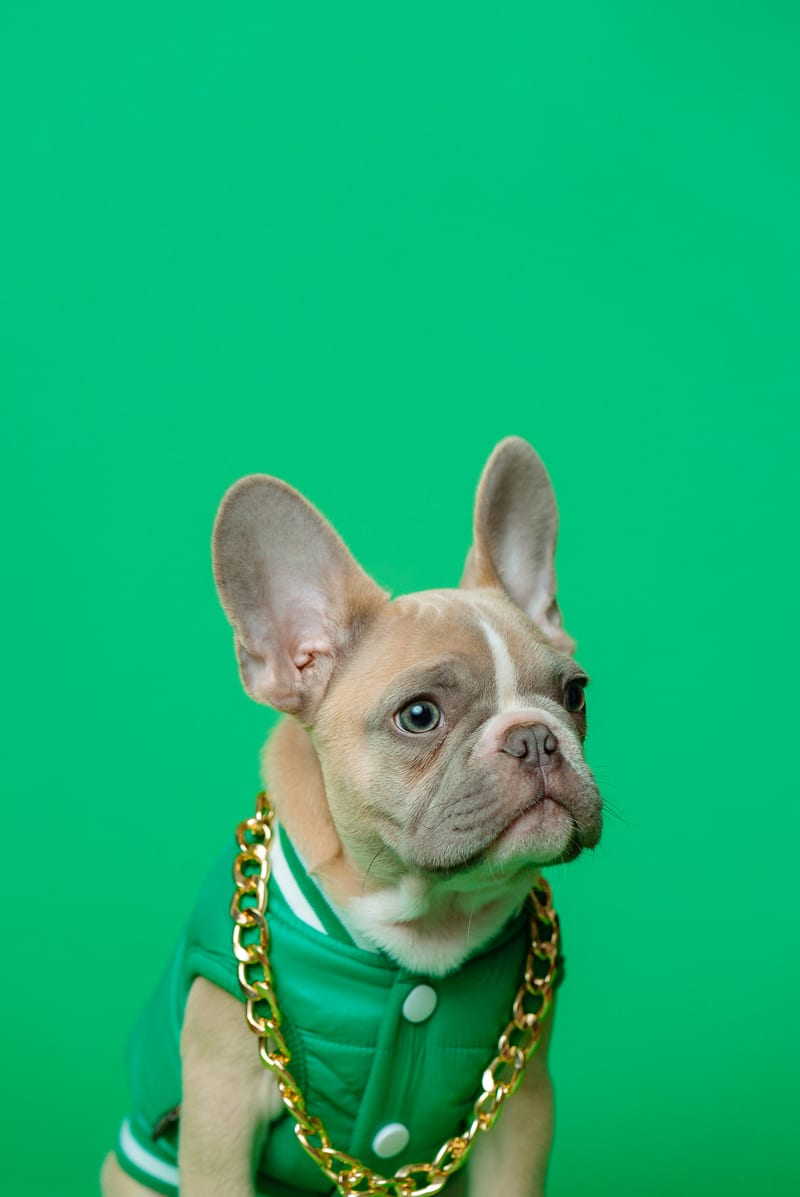
Old English Sheepdog
Overview
The Old English Sheepdog, often affectionately referred to as the "Bobtail" due to its traditionally docked tail, is a large, robust, and iconic herding breed originating from England. Renowned for its distinctive shaggy coat and amiable, gentle disposition, this breed has transitioned from a working farm dog to a beloved family companion. The Old English Sheepdog is characterized by its intelligence, adaptability, and a playful, sometimes clownish, personality that belies its substantial size. While its appearance may suggest a serious demeanor, the breed is known for its affectionate nature and strong bond with its human family.
History & Origin
The Old English Sheepdog's precise origins are somewhat obscure, but the breed is believed to have been developed in the West Country of England, particularly in Devon and Somerset, during the early 19th century. Farmers required a hardy, intelligent, and tireless dog capable of driving cattle and sheep to market. The breed likely descended from various herding dogs, including the Bearded Collie, the Scottish Collie, and possibly the Russian Owtchar, a large sheepdog brought to England by traders. The Old English Sheepdog was selectively bred for its ability to work independently and its distinctive, profuse coat, which provided protection against the harsh British climate. By the late 19th century, the breed was recognized by the Kennel Club (UK) and gained popularity in dog shows. The breed's name is somewhat misleading, as it was more commonly used for cattle droving than for sheep herding. Its historical role as a drover's dog required stamina, courage, and a characteristic "bobbing" gait, which gave rise to its nickname.
Physical Characteristics
The Old English Sheepdog is a large, symmetrical, and strongly built dog, presenting a square appearance when viewed from the side. Its most distinctive feature is its profuse, shaggy double coat. The outer coat is coarse, long, and straight or slightly wavy, while the undercoat is dense, soft, and waterproof. The coat is typically blue, blue merle, grizzle, or gray, with white markings on the head, neck, chest, legs, and tail. The breed has a broad head with a moderately long muzzle, dark or wall eyes (heterochromia is common), and small, folded ears that are covered with hair. The tail is traditionally docked short in countries where this practice is legal, giving the breed its "Bobtail" nickname; in other regions, the tail is left natural and may be long and feathered. The Old English Sheepdog stands 56 to 61 cm (22 to 24 in) at the shoulder and weighs between 27 and 45 kg (60 to 100 lbs), with males being notably larger than females. The breed's gait is free, effortless, and powerful, with a characteristic rolling motion.
Temperament & Personality
The Old English Sheepdog is renowned for its gentle, affectionate, and even-tempered nature. The breed is highly intelligent and eager to please, but it also possesses a strong independent streak, a remnant of its working heritage. Old English Sheepdogs are generally excellent with children, displaying patience and a protective instinct, making them suitable family dogs. They are sociable and typically get along well with other dogs and pets, especially when raised together. However, their herding instinct may manifest in behaviors such as circling or nipping at heels, particularly with young children or other animals. The breed is known for its playful and sometimes comical demeanor, often described as "clownish," and it thrives on human companionship. Despite its size, the Old English Sheepdog is not typically aggressive; it is more likely to bark as an alert than to act as a guard dog. Early socialization is essential to ensure a well-rounded adult dog, as the breed can be reserved with strangers without proper exposure.
Care & Maintenance
Exercise Requirements
The Old English Sheepdog is an energetic breed with moderate to high exercise needs. Despite its size, it does not require excessive amounts of vigorous exercise but benefits from daily walks, play sessions, and opportunities to run in a secure area. A minimum of 30 to 60 minutes of physical activity per day is recommended to maintain physical health and mental well-being. The breed enjoys activities such as hiking, fetch, and canine sports like agility or obedience. Without adequate exercise, the Old English Sheepdog may become bored and develop undesirable behaviors, such as excessive barking or destructive chewing.
Grooming Needs
The Old English Sheepdog's profuse coat requires a significant commitment to grooming. Daily brushing is necessary to prevent matting and tangling, particularly in the dense undercoat. A slicker brush and a metal comb are essential tools for maintaining the coat's condition. Professional grooming every 6 to 8 weeks is often recommended for trimming, particularly around the eyes, feet, and sanitary areas. The breed sheds moderately to heavily, with seasonal increases. Bathing should be done as needed, typically every 4 to 6 weeks, using a high-quality dog shampoo and conditioner. Owners must also pay attention to ear cleaning, nail trimming, and dental care to ensure overall health.
Training
The Old English Sheepdog is intelligent and generally responsive to training, but it can be stubborn and independent. Positive reinforcement methods, including treats, praise, and play, are most effective. Harsh corrections are counterproductive and may damage the dog's trust. Early socialization and obedience training are crucial, as the breed's size and strength require a well-mannered adult dog. The Old English Sheepdog excels in activities that engage its mind, such as obedience, rally, and herding trials. Due to its herding instinct, training should also focus on curbing chasing behaviors. Consistency and patience are key, as the breed may become bored with repetitive drills.
Health
The Old English Sheepdog is generally a healthy breed, but it is predisposed to several genetic and health conditions. Common issues include hip dysplasia, elbow dysplasia, and progressive retinal atrophy (PRA), a degenerative eye disease that can lead to blindness. Hypothyroidism, autoimmune disorders, and deafness (particularly in dogs with excessive white markings) are also reported. The breed is prone to bloat (gastric dilatation-volvulus), a life-threatening condition that requires immediate veterinary attention. Responsible breeders conduct health screenings, including hip and elbow evaluations, eye examinations, and thyroid tests. The average lifespan of the Old English Sheepdog is 10 to 12 years, though some individuals may live longer with proper care.
Living Conditions
The Old English Sheepdog is best suited to a home with a securely fenced yard where it can exercise and play. While it can adapt to apartment living, this is not ideal due to its size and energy levels. The breed thrives in a suburban or rural environment where it has space to roam. Its thick coat makes it sensitive to heat, so it should not be kept outdoors in hot climates without access to shade and cool water. The Old English Sheepdog is a companion-oriented breed and should not be left alone for extended periods, as it may develop separation anxiety. It is well-suited to families with children and other pets, provided it receives adequate attention and activity.
Conclusion
The Old English Sheepdog is a distinctive, affectionate, and intelligent breed that makes a loyal family companion for those prepared to meet its grooming and exercise needs. Its playful temperament and protective nature are balanced by a gentle disposition, making it suitable for homes with children. However, potential owners must be aware of the significant time commitment required for coat maintenance and the breed's predisposition to certain health issues. With proper care, training, and socialization, the Old English Sheepdog can be a rewarding and cherished addition to an active household.
References
Based on standards from major kennel clubs and breed organizations, including the American Kennel Club (AKC), The Kennel Club (UK), and the Old English Sheepdog Club of America.
Common questions
Is old english sheepdog good for first-time owners?
It depends on exercise needs, grooming load, and your daily schedule. Meet adult dogs of the breed before deciding.
How much exercise does old english sheepdog usually need?
Look at working history, not just size. Under-exercised dogs often bark, chew, or struggle with training regardless of breed label.
What ongoing costs should I expect with old english sheepdog?
Budget for grooming, training, preventive vet care, and quality food—these often exceed the purchase price over the dog’s life.
More in Dog Breeds
What Are the Rarest Dog Breeds?
What breed descriptions miss Breed standards describe appearance and general temperament, but individual dogs vary widely within every breed based on.
What Are the Best Fox Rescues and Shelters in The US?
Researching a breed before adopting Speaking with breed owners, visiting rescue organizations, and meeting adult dogs in person gives a more accurate.
How Much Better is a Dog's Sense of Smell Than a Human’s?
Beyond the breed description Meeting adult dogs of the breed in person teaches more about their temperament than reading breed profiles or watching online.
How to Care for a Pet Fox: Diet, Needs, Exercise, and More
Understanding breed characteristics Energy levels, grooming requirements, and trainability are tendencies rather than guarantees. Individual variation.
No comments yet.