
The Miniature Schnauzer is a breed that demands respect and rewards patience. Bred for intelligence and endurance, these dogs thrive when given a job to do and a family to protect. But their high energy and strong will mean they're best suited for owners who understand their unique needs from day one.
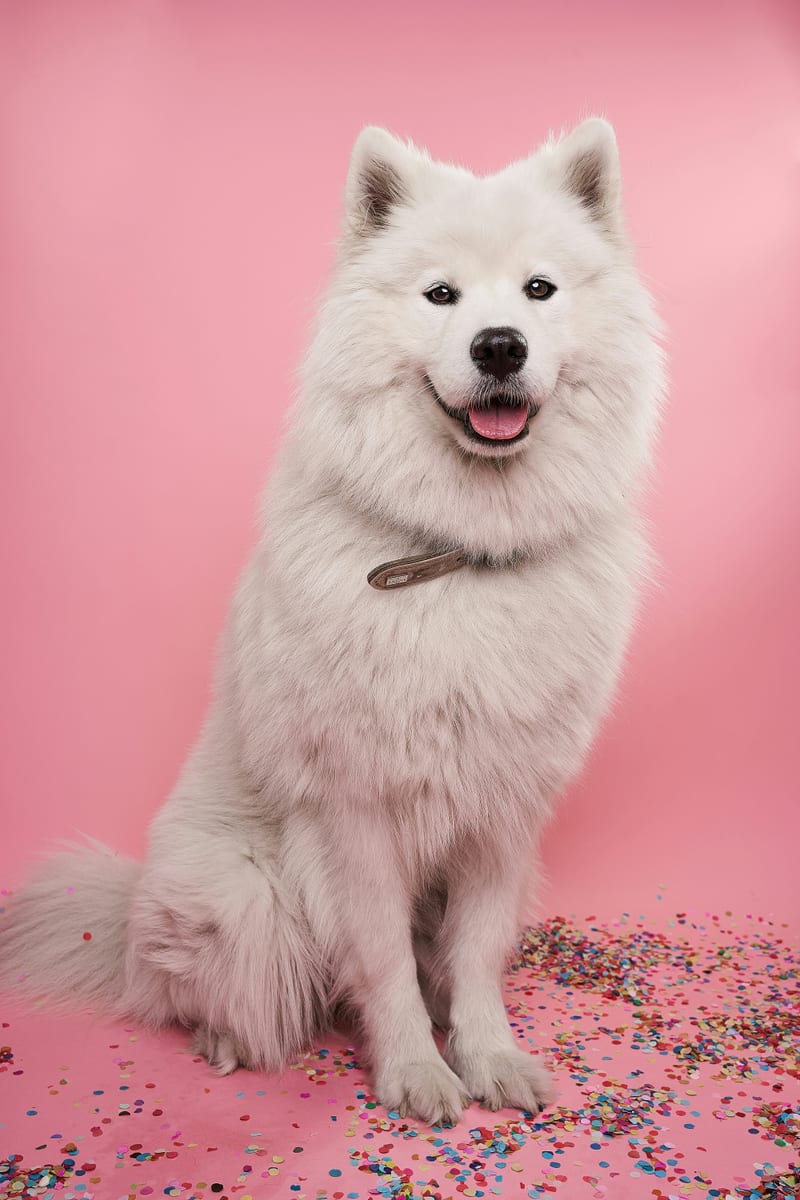
Miniature Schnauzer
Temperament
Miniature Schnauzers are alert, spirited, and loyal. They often bark to announce visitors.
They can be stubborn but respond well to consistent positive training.
Socialization during the first four months shapes how confidently the dog handles new people, sounds, and surfaces later in life.
Even friendly breeds benefit from clear boundaries—jumping, mouthing, and demand barking are training issues, not personality flaws.
Exercise and grooming
Daily walks plus mental puzzles keep them balanced. Professional grooming or regular clipping maintains the coat.
Beard and leg hair need routine cleaning after meals.
Mental enrichment counts as exercise: food puzzles, scent games, and short training sessions can tire a dog when weather limits walks.
Watch weight and joint stress; overweight dogs feel hotter, move less comfortably, and recover more slowly from minor injuries.
Household fit
Good for apartments if barking is managed. Often suitable for allergy-sensitive homes, though no dog is truly hypoallergenic.
Socialize early to prevent over-guarding tendencies.
Renters should confirm pet policies, size limits, and breed restrictions before committing.
Households with toddlers need supervision plans—no breed is automatically safe with children without guidance and management.
Exercise planning
Schedule aerobic work plus training games. Off-leash time should happen only where recall and local laws allow.
Families considering this breed should visit adults in real homes, not only photos, to understand size, coat care, and noise level.
Budget for routine grooming, training classes, and preventive vet care—these costs often exceed purchase price over the dog's life.
Heat and cold tolerance vary by coat type—adjust walk timing seasonally.
Match daily exercise and mental work to the breed's working history; bored dogs often develop destructive habits regardless of size.
Grooming routine
Brush before baths to reduce matting. Use dog-formulated shampoo and dry ears carefully after swimming.
Nail, dental, and ear care should start young so adult handling stays easy.
Training and social needs
Enroll in puppy or basic manners classes even if the breed seems "easy." Consistency prevents problem habits.
Teach a reliable recall early if the breed has prey drive or independence.
Health screening questions
Ask breeders or rescues about parent tests relevant to the breed—hips, eyes, hearts, or genetic panels vary.
Pet insurance or an emergency fund helps with unexpected specialist visits.
Common questions
Is miniature schnauzer facts good for first-time owners?
It depends on exercise needs, grooming load, and your daily schedule. Meet adult dogs of the breed before deciding.
How much exercise does miniature schnauzer facts usually need?
Look at working history, not just size. Under-exercised dogs often bark, chew, or struggle with training regardless of breed label.
What ongoing costs should I expect with miniature schnauzer facts?
Budget for grooming, training, preventive vet care, and quality food—these often exceed the purchase price over the dog’s life.
More in Dog Breeds

13 All-American Dog Breeds Born In The USA
Health considerations by breed Breed-specific health screenings exist for good reason. Researching common conditions before choosing a breeder can prevent.
11 Hypoallergenic Dog Breeds For Allergy-Sensitive Homes
Choosing a breed that fits Matching a breed to your lifestyle matters more than choosing one based on appearance or popularity trends on social media.d in.

11 Playful Dog Breeds Made For Summer Fun
Breed reputation versus reality A breed reputation for friendliness or aggression does not define every dog. Individual history, training, and.
Best Dog Frisbees for 2026: 7 Picks That Fly Far and Last
Beyond breed generalizations Mixed-breed dogs combine traits from multiple lines in unpredictable ways, making breed-based assumptions even less reliable.
No comments yet.