
The Central Asian Shepherd has a reputation that precedes it — and in most cases, that reputation is well deserved. These are dogs of remarkable ability and character, but they are not for everyone. Understanding their temperament, exercise needs, and health concerns is essential if you're considering adding one to your family.
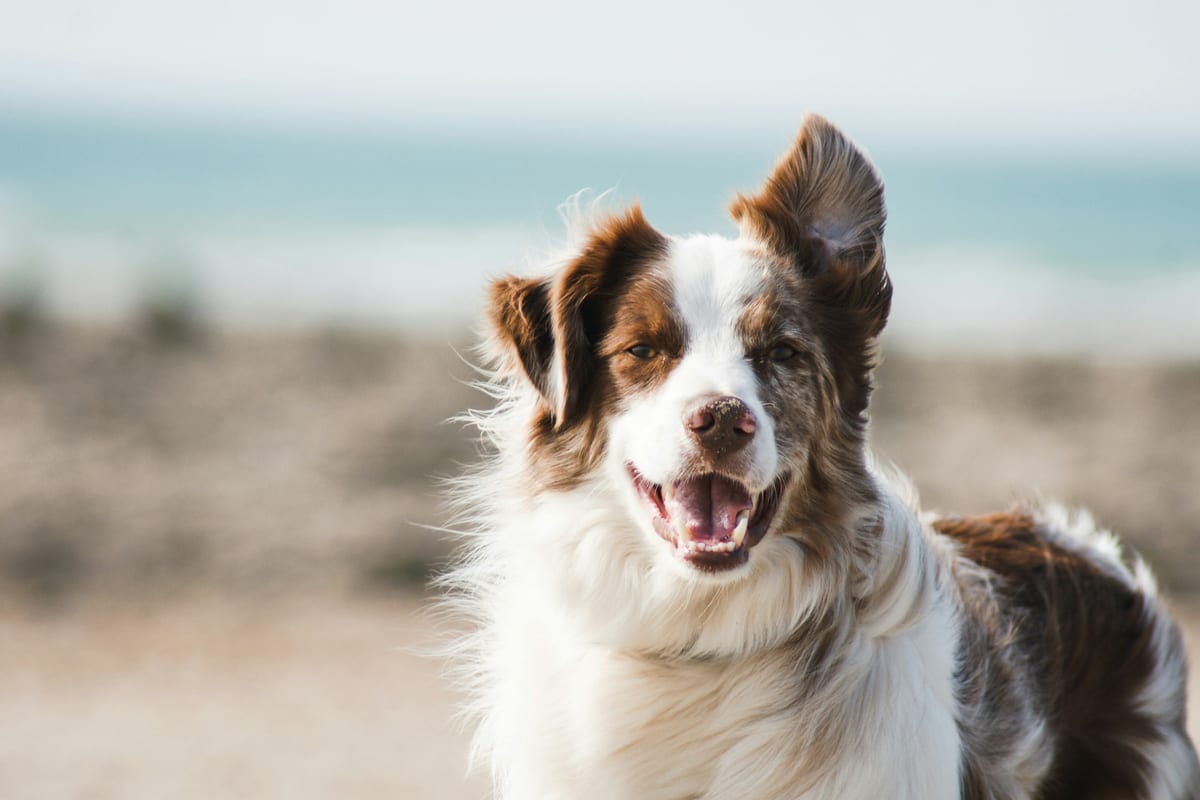
Central Asian Shepherd
Overview
The Central Asian Shepherd, also known as the Alabai or Central Asian Ovtcharka, is an ancient, formidable livestock guardian dog breed originating from the vast steppes and mountain regions of Central Asia. Renowned for its independence, courage, and protective instincts, this breed has been used for centuries to guard flocks and property against predators such as wolves and bears. The Central Asian Shepherd is a large to giant-sized dog with a powerful build, calm demeanor, and strong territorial drive. It is not a breed suited for novice owners, requiring experienced handling, consistent training, and ample space to thrive.
History & Origin
The Central Asian Shepherd is one of the oldest known dog breeds, with a history dating back over 4,000 years. Its origins lie in the nomadic tribes of Central Asia, where dogs were selectively bred for their ability to protect livestock and property in harsh, remote environments. The breed evolved naturally through natural selection and human intervention, resulting in a dog with exceptional endurance, resilience, and a strong guarding instinct. The Central Asian Shepherd is considered a foundational breed for many modern Molosser-type dogs, including the Mastiff and Saint Bernard. Historically, these dogs were not bred for appearance but for function, leading to regional variations in size, coat type, and color. The breed gained recognition from major kennel clubs, such as the Fédération Cynologique Internationale (FCI) in 1989, and is increasingly valued as a working dog and companion worldwide.
Physical Characteristics
The Central Asian Shepherd is a large to giant breed with a robust, muscular, and well-proportioned frame. Males are notably larger than females, standing 65–71 cm (26–28 in) at the shoulder and weighing 50–80 kg (110–176 lbs), while females are slightly smaller at 60–67 cm (24–26 in) and 40–65 kg (88–143 lbs). The breed has a broad, massive head with a short muzzle, strong jaws, and small, triangular ears that are often cropped in traditional regions. The eyes are medium-sized, dark, and expressive, conveying an alert and intelligent expression. The body is deep-chested with a straight, strong back and a thick, high-set tail that is often docked in working lines. The coat is a double coat consisting of a dense, coarse outer coat and a soft, insulating undercoat. Two coat varieties exist: short-haired (about 3–5 cm in length) and long-haired (up to 7–10 cm), with feathering on the tail, ears, and legs. Common colors include white, black, brindle, gray, fawn, and piebald, often with a dark mask on the face. The breed's overall appearance conveys power, endurance, and a primitive dignity.
Temperament & Personality
The Central Asian Shepherd is known for its calm, confident, and independent temperament. It is a natural guardian, exhibiting strong protective instincts toward its family and territory. The breed is generally reserved with strangers, requiring proper socialization from an early age to distinguish between normal and threatening situations. With its family, the Central Asian Shepherd is loyal, affectionate, and gentle, especially with children, though supervision is recommended due to its size and strength. The breed is not typically aggressive without cause but will assert dominance if challenged. It has a high prey drive and may not get along with other dogs or small pets, particularly of the same sex, unless raised together. The Central Asian Shepherd is intelligent but can be stubborn, requiring a firm, consistent, and experienced handler. It is not a breed that thrives on constant attention but values respect and clear leadership. Early socialization and training are essential to channel its guarding instincts appropriately and prevent behavioral issues.
Care & Maintenance
Exercise Requirements
The Central Asian Shepherd has moderate exercise needs for its size. It requires at least 60–90 minutes of physical activity daily, including walks, play sessions, and opportunities to explore in a secure, fenced area. The breed is not hyperactive but benefits from regular exercise to maintain physical health and mental stimulation. Activities such as hiking, patrolling, and guard work are ideal. Due to its independent nature, off-leash exercise is not recommended unless in a fully enclosed space, as the breed may wander or chase perceived threats.
Grooming Needs
The Central Asian Shepherd has a thick double coat that sheds heavily, particularly during seasonal changes. Weekly brushing is necessary to remove loose hair and prevent matting, with more frequent brushing during shedding periods. Bathing should be done only as needed, as excessive bathing can strip natural oils. The breed is generally clean and has minimal odor. Regular ear cleaning, nail trimming, and dental care are essential. The breed's coat is weather-resistant, providing protection in extreme climates.
Training
Training a Central Asian Shepherd requires patience, consistency, and positive reinforcement methods. The breed is highly intelligent but independent, often questioning commands if not delivered with authority. Early socialization is critical to expose the dog to various people, animals, and environments. Obedience training should begin in puppyhood, focusing on basic commands and impulse control. The breed responds best to firm but gentle leadership, avoiding harsh corrections that can cause resistance. Professional training classes are recommended for novice owners. Given its guarding instincts, the Central Asian Shepherd excels in roles such as livestock guardian, property protection, and family companion when properly trained.
Health
The Central Asian Shepherd is generally a healthy breed with a robust constitution, but it is predisposed to certain health conditions due to its large size and genetic background. Common issues include hip dysplasia, elbow dysplasia, and gastric dilatation-volvulus (bloat), a life-threatening condition requiring immediate veterinary care. Other concerns include obesity, hypothyroidism, and patellar luxation. Eye conditions such as entropion and cataracts may occur. Responsible breeders conduct health screenings for hip and elbow evaluations, thyroid function, and eye exams. The average lifespan is 12–15 years, which is relatively long for a breed of this size. Regular veterinary check-ups, a balanced diet, and appropriate exercise contribute to overall health and longevity.
Living Conditions
The Central Asian Shepherd is not well-suited for apartment living due to its large size and need for space. It thrives in homes with a large, securely fenced yard where it can patrol and exercise. The breed is adaptable to various climates, including cold and hot environments, thanks to its dense coat. It prefers a calm, structured household with experienced owners who can provide firm leadership. The Central Asian Shepherd is not recommended for first-time dog owners or families with very young children, as its size and strength require careful management. It is best suited for rural or suburban settings where it can fulfill its guarding instincts without excessive confinement.
Conclusion
The Central Asian Shepherd is a majestic and ancient breed, embodying the strength, endurance, and independence required for centuries of livestock guarding in harsh Central Asian landscapes. With its calm demeanor, fierce loyalty, and protective instincts, it is a formidable guardian and devoted family companion for those with the experience and resources to meet its needs. The breed requires a firm, consistent handler, ample space, and early socialization to thrive. While not suitable for every household, the Central Asian Shepherd offers unmatched devotion and security for the right owner, preserving a legacy that spans millennia.
References
Based on standards from major kennel clubs and breed organizations, including the Fédération Cynologique Internationale (FCI), American Kennel Club (AKC), and United Kennel Club (UKC). Additional sources include the Central Asian Shepherd Dog Club of America and historical texts on ancient dog breeds.
Common questions
Is is a central asian shepherd right for you? a complete owner's guide good for first-time owners?
It depends on exercise needs, grooming load, and your daily schedule. Meet adult dogs of the breed before deciding.
How much exercise does is a central asian shepherd right for you? a complete owner's guide usually need?
Look at working history, not just size. Under-exercised dogs often bark, chew, or struggle with training regardless of breed label.
What ongoing costs should I expect with is a central asian shepherd right for you? a complete owner's guide?
Budget for grooming, training, preventive vet care, and quality food—these often exceed the purchase price over the dog’s life.
More in Dog Breeds
13 All-American Dog Breeds Born In The USA
Health considerations by breed Breed-specific health screenings exist for good reason. Researching common conditions before choosing a breeder can prevent.
11 Hypoallergenic Dog Breeds For Allergy-Sensitive Homes
Choosing a breed that fits Matching a breed to your lifestyle matters more than choosing one based on appearance or popularity trends on social media.d in.
11 Playful Dog Breeds Made For Summer Fun
Breed reputation versus reality A breed reputation for friendliness or aggression does not define every dog. Individual history, training, and.
Best Dog Frisbees for 2026: 7 Picks That Fly Far and Last
Beyond breed generalizations Mixed-breed dogs combine traits from multiple lines in unpredictable ways, making breed-based assumptions even less reliable.
No comments yet.