
The Jack Russell Terrier is one of the most recognizable dog breeds in the world — and for good reason. Intelligent, loyal, and hardworking, this breed has earned its place as both a trusted working dog and a beloved family companion. But like any breed, they come with specific needs that every potential owner should understand before bringing one home.
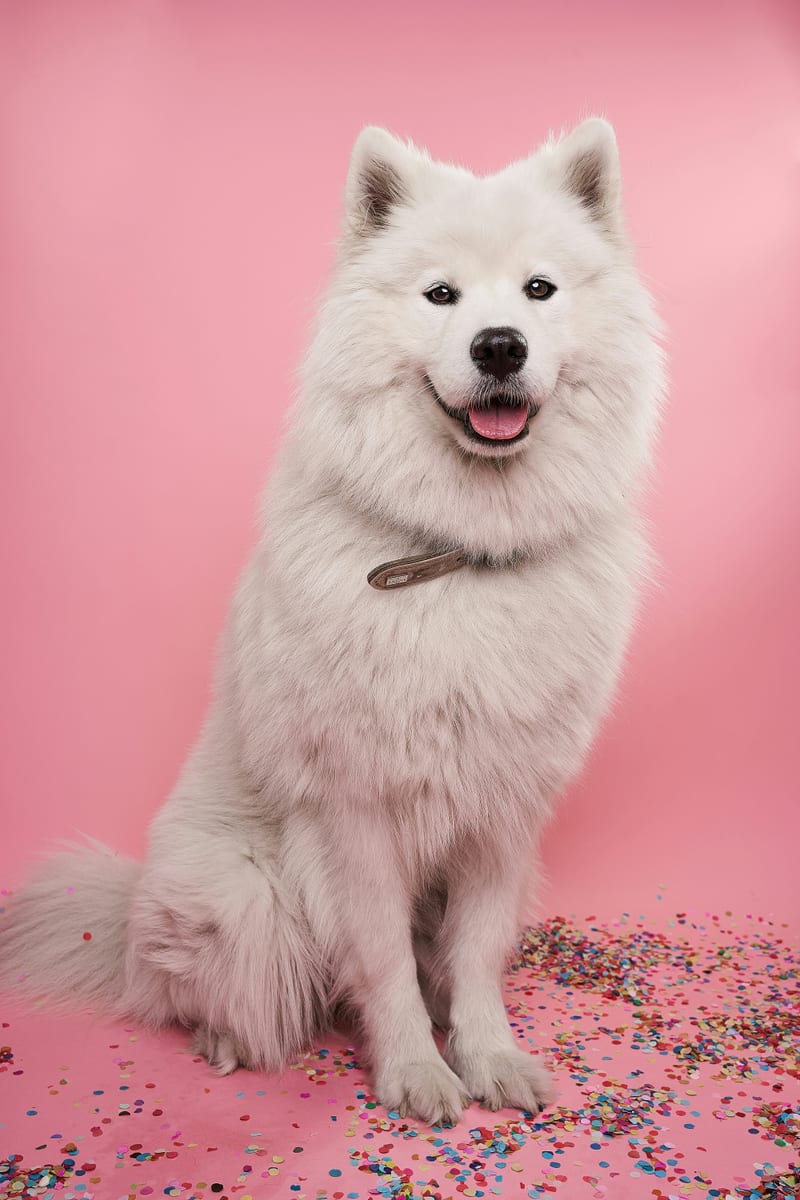
Jack Russell Terrier
Overview
The Jack Russell Terrier is a small, energetic, and highly intelligent working terrier breed developed in England for fox hunting. Renowned for its boundless energy, tenacity, and fearless nature, the breed is named after the Reverend John Russell, who bred the first dogs in the early 19th century. Despite its compact size, the Jack Russell Terrier possesses a robust constitution and a strong prey drive, making it an exceptional vermin hunter and companion for active owners. The breed is recognized by major kennel clubs, though there is variation in standards between organizations such as the American Kennel Club (AKC) and the United Kingdom’s Kennel Club (KC).
History & Origin
The Jack Russell Terrier originated in England in the early 1800s when Reverend John Russell, an avid fox hunter, sought to create a working terrier capable of flushing foxes from their dens without causing injury. Russell crossed various terrier types, including the now-extinct White English Terrier, with bull terriers and beagles to achieve a dog with a strong prey drive, compact size, and a predominantly white coat for visibility during hunts. The breed remained primarily a working dog for over a century, used by huntsmen across the British countryside.
In the late 19th and early 20th centuries, the breed’s popularity grew beyond hunting circles, leading to the establishment of breed clubs. However, the Jack Russell Terrier was not officially recognized by the Kennel Club in the UK until 2016, and the AKC recognized it in 2012 as part of the Terrier Group. A related breed, the Parson Russell Terrier, was developed separately for show purposes and is taller and more refined, while the Jack Russell Terrier retains a more rugged, working-dog appearance.
Physical Characteristics
The Jack Russell Terrier is a sturdy, balanced, and athletic dog with a compact frame. Its head is proportionate to the body, with a flat skull, a well-defined stop, and strong jaws with a scissor bite. The eyes are almond-shaped, dark, and expressive, conveying alertness and intelligence. The ears are small, V-shaped, and fold forward, adding to the breed’s attentive expression.
The breed exhibits three coat types: smooth (short, flat, and dense), broken (a mix of short and longer hair with some feathering), and rough (longer, wiry, and dense). The coat is predominantly white, with black, tan, or brown markings on the head and body. The tail is typically docked in countries where this practice is legal, though natural tails are also common. The breed stands 25–30 cm (10–12 in) at the withers and weighs 5–8 kg (11–18 lbs), with males generally slightly larger than females.
Temperament & Personality
The Jack Russell Terrier is characterized by its high energy, intelligence, and independent nature. Bred for tenacity and courage, these dogs are fearless and often exhibit a strong-willed personality. They are highly alert, curious, and possess a pronounced prey drive, which can lead to chasing small animals such as squirrels, cats, or rodents. Early socialization is essential to mitigate potential aggression toward other pets.
With families, the breed is affectionate and loyal, often forming strong bonds with their owners. However, due to their high energy and sometimes stubborn temperament, they are best suited for households with older children who can engage in structured play. The Jack Russell Terrier is not typically recommended for homes with very young children, as its boisterous nature may inadvertently cause accidents. The breed is generally wary of strangers and makes an effective watchdog, though it is not prone to excessive barking when properly trained.
Care & Maintenance
Exercise Requirements
The Jack Russell Terrier is one of the most energetic terrier breeds, requiring substantial daily exercise. A minimum of 60–90 minutes of vigorous activity per day is recommended, including walks, runs, and interactive play such as fetch or agility training. Without sufficient exercise, the breed may develop destructive behaviors like digging, chewing, or excessive barking. The breed excels in canine sports, including agility, earthdog trials, and flyball, which channel its energy and intelligence productively.
Grooming Needs
Grooming requirements vary by coat type. Smooth-coated Jack Russell Terriers require minimal grooming, with weekly brushing using a rubber curry brush to remove loose hair. Broken and rough-coated varieties need more frequent brushing (two to three times per week) and occasional hand-stripping to maintain coat texture. Bathing should be infrequent, only when necessary, to avoid stripping natural oils. Regular nail trimming, ear cleaning, and dental care are essential for overall health.
Training
Training a Jack Russell Terrier can be challenging due to its independent and stubborn nature. Positive reinforcement methods, including treats and praise, are most effective. Early socialization and obedience training are crucial, beginning in puppyhood. The breed responds well to structured training sessions that are short, varied, and engaging. Harsh corrections are counterproductive and may lead to resistance. Consistency and patience are key, as the breed may test boundaries. Activities that engage the dog’s problem-solving abilities, such as puzzle toys or nose work, are highly beneficial.
Health
The Jack Russell Terrier is generally a healthy breed with a lifespan of 13–16 years. However, it is predisposed to certain genetic conditions. Common health issues include patellar luxation (dislocation of the kneecap), Legg-Calvé-Perthes disease (a hip joint disorder), and deafness, which is more prevalent in predominantly white dogs. Eye conditions such as lens luxation and cataracts may also occur. Responsible breeders screen for these conditions through health tests, including hip and eye examinations, and genetic testing for deafness.
Other concerns include allergies, skin infections, and dental disease. Regular veterinary check-ups, a balanced diet, and maintaining a healthy weight are essential for preventing obesity, which can exacerbate joint problems. The breed’s high energy level requires careful management to avoid injuries from overexertion.
Living Conditions
The Jack Russell Terrier is best suited for homes with a securely fenced yard where it can run and explore. While the breed can adapt to apartment living, this is only feasible if the owner provides ample daily exercise and mental stimulation. The breed’s strong prey drive and tendency to dig make a secure fence essential to prevent escapes. Jack Russell Terriers are not recommended for homes with small pets such as hamsters, guinea pigs, or birds, as they may be viewed as prey. The breed thrives in active households where it is included in daily activities, such as hiking or jogging, and is not left alone for extended periods, as it may develop separation anxiety.
Conclusion
The Jack Russell Terrier is a spirited, intelligent, and athletic breed that excels as a working terrier and active companion. Its high energy, strong prey drive, and independent nature require dedicated owners who can provide consistent training, ample exercise, and mental stimulation. While not ideal for sedentary households or those with very young children, the breed offers unwavering loyalty and entertainment to those who meet its needs. With proper care, socialization, and health management, the Jack Russell Terrier can be a rewarding and long-lived addition to an active family.
References
Based on standards from major kennel clubs and breed organizations, including the American Kennel Club (AKC), the Kennel Club (UK), and the Jack Russell Terrier Club of America.
Common questions
Is jack russell terrier good for first-time owners?
It depends on exercise needs, grooming load, and your daily schedule. Meet adult dogs of the breed before deciding.
How much exercise does jack russell terrier usually need?
Look at working history, not just size. Under-exercised dogs often bark, chew, or struggle with training regardless of breed label.
What ongoing costs should I expect with jack russell terrier?
Budget for grooming, training, preventive vet care, and quality food—these often exceed the purchase price over the dog’s life.
More in Dog Breeds
What Are the Rarest Dog Breeds?
What breed descriptions miss Breed standards describe appearance and general temperament, but individual dogs vary widely within every breed based on.

What Are the Best Fox Rescues and Shelters in The US?
Researching a breed before adopting Speaking with breed owners, visiting rescue organizations, and meeting adult dogs in person gives a more accurate.

How Much Better is a Dog's Sense of Smell Than a Human’s?
Beyond the breed description Meeting adult dogs of the breed in person teaches more about their temperament than reading breed profiles or watching online.

How to Care for a Pet Fox: Diet, Needs, Exercise, and More
Understanding breed characteristics Energy levels, grooming requirements, and trainability are tendencies rather than guarantees. Individual variation.
No comments yet.