
The Peruvian Hairless Dog has earned a well-deserved reputation as one of the most capable and loyal dog breeds. Whether you're looking for a working partner or a family companion, this breed can excel — but only in the right hands. Here's an honest look at what it takes to be a responsible Peruvian Hairless Dog owner.
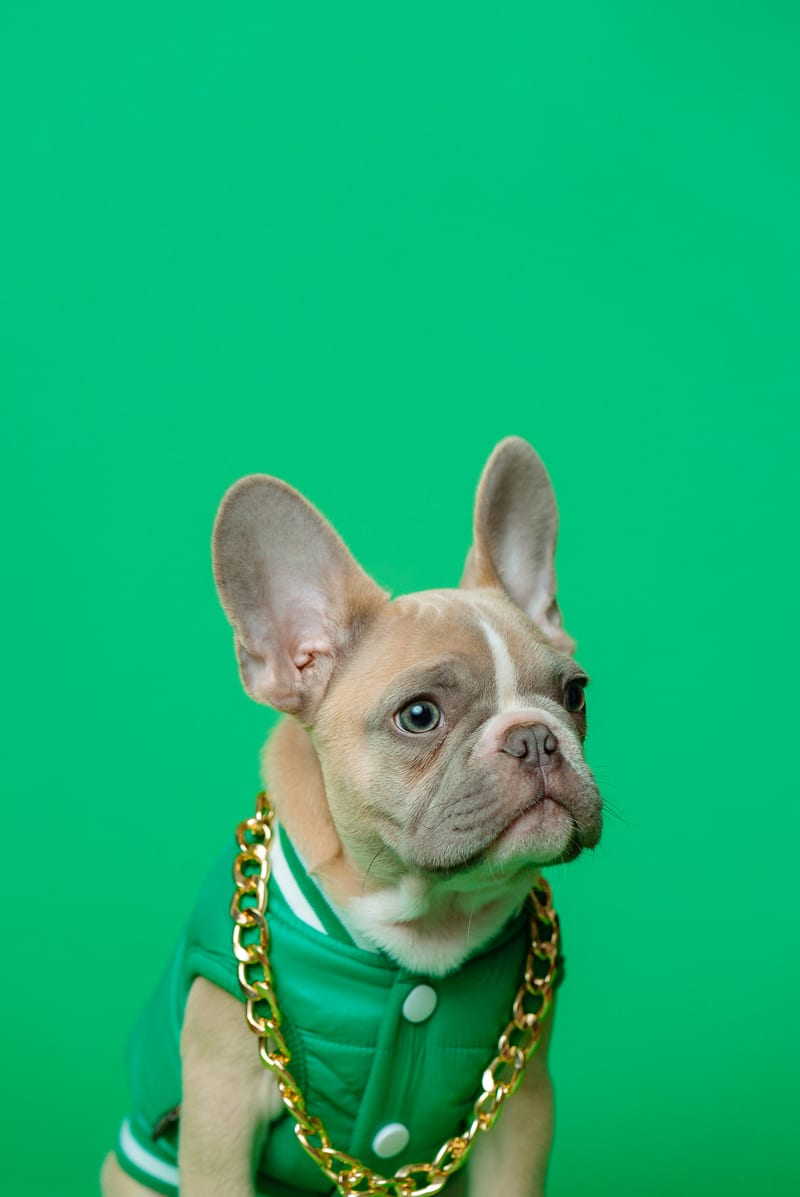
Peruvian Hairless Dog
Overview
The Peruvian Hairless Dog, also known as the Perro Sin Pelo del Perú or Peruvian Inca Orchid, is an ancient and distinctive breed originating from Peru. Recognized for its nearly complete lack of hair, this breed is one of the few hairless dog breeds in the world, alongside the Xoloitzcuintli and the Chinese Crested. The Peruvian Hairless Dog is revered as a national treasure in Peru and is considered a symbol of pre-Columbian culture. The breed is known for its elegant appearance, affectionate temperament, and unique thermal regulation, making it a fascinating companion for those who appreciate its specialized care requirements.
History & Origin
The Peruvian Hairless Dog has a history that dates back over 3,000 years, with archaeological evidence including pottery, textiles, and mummified remains found in ancient Peruvian civilizations such as the Moche, Chimú, and Inca cultures. These dogs were highly valued by pre-Columbian societies, often depicted in art and buried alongside their owners as companions for the afterlife. The breed's hairlessness is the result of a natural genetic mutation that was selectively preserved by indigenous peoples. After the Spanish conquest, the breed faced near extinction but was preserved in rural areas of Peru. In the 20th century, dedicated breeders revived the Peruvian Hairless Dog, and it was officially recognized by the Fédération Cynologique Internationale (FCI) in 1981. The breed is considered a living cultural heritage of Peru and is protected by law.
Physical Characteristics
The Peruvian Hairless Dog is a slender, agile, and elegant breed with a well-proportioned body. The most distinctive feature is its hairless skin, which is smooth, warm to the touch, and often pigmented in shades of black, gray, brown, copper, or mottled patterns. Some individuals may have a small tuft of hair on the head, tail, or feet. A coated variety exists, which has a short, smooth coat, though it is less common. The breed has a long, wedge-shaped head with erect ears that are large and expressive. The eyes are almond-shaped and alert, typically dark in color. The tail is long and carried low, often with a slight curve. The Peruvian Hairless Dog comes in three size varieties: small (25–40 cm), medium (40–50 cm), and large (50–65 cm). The body is lean, with a deep chest and a tucked-up abdomen, giving the dog a sighthound-like silhouette.
Temperament & Personality
The Peruvian Hairless Dog is known for its affectionate, loyal, and alert temperament. It forms strong bonds with its family and is often reserved with strangers, making it an excellent watch dog. The breed is generally good with children, especially when raised with them, but due to its sensitive nature, it may not tolerate rough handling. With proper socialization, the Peruvian Hairless Dog can coexist peacefully with other dogs and pets, though it may exhibit a strong prey drive toward small animals. The breed is intelligent and sensitive, responding best to positive reinforcement methods. It can be somewhat independent and may display a stubborn streak, but it is eager to please its owner. The Peruvian Hairless Dog is not typically aggressive, but it may be wary of unfamiliar people and situations.
Care & Maintenance
Exercise Requirements
The Peruvian Hairless Dog has a moderate energy level and requires daily exercise to maintain physical and mental health. A combination of walks, play sessions, and off-leash running in a secure area is recommended. Despite its lean build, the breed is not a high-energy dog and is content with 30–60 minutes of activity per day. The breed enjoys mental stimulation, such as puzzle toys or training games, to prevent boredom. Owners should be mindful of the dog's hairless skin, which is sensitive to extreme temperatures, and adjust exercise accordingly.
Grooming Needs
The hairless variety of the Peruvian Hairless Dog requires specialized skin care. The skin should be cleaned regularly to remove oils and debris, and a gentle, hypoallergenic moisturizer may be applied to prevent dryness and irritation. The breed is prone to sunburn, so pet-safe sunscreen is essential when exposed to direct sunlight, and protective clothing can be used in cold weather. The coated variety requires minimal grooming, with occasional brushing to remove loose hair. Both varieties benefit from regular nail trimming, ear cleaning, and dental care. Bathing should be done as needed, using a mild shampoo to avoid skin reactions.
Training
The Peruvian Hairless Dog is intelligent but can be independent, requiring consistent, patient, and positive training methods. Early socialization is crucial to ensure the dog grows into a well-adjusted adult. The breed responds well to reward-based training, such as treats and praise, and may become stubborn if harsh methods are used. Obedience training should start in puppyhood, and ongoing mental stimulation is important to prevent boredom. The breed's sensitive nature means it may be easily stressed by loud voices or abrupt corrections.
Health
The Peruvian Hairless Dog is generally a healthy and long-lived breed, with a lifespan of 12–20 years. However, its hairless skin makes it susceptible to skin conditions, including sunburn, dryness, acne, and allergies. Dental issues, such as missing teeth or overcrowding, are common due to the same genetic mutation that causes hairlessness. Other potential health concerns include hip dysplasia, patellar luxation, and eye problems such as progressive retinal atrophy. The breed may also be prone to sensitive digestion. Responsible breeders perform health screenings for these conditions. Regular veterinary check-ups, a balanced diet, and proper skin care are essential for maintaining the breed's health.
Living Conditions
The Peruvian Hairless Dog is well-suited to apartment living due to its moderate energy level and size variety. It thrives in a home with a consistent climate, as its hairless skin is sensitive to temperature extremes. The breed is not ideal for outdoor living and should be kept as an indoor companion. A securely fenced yard is beneficial for exercise, but the dog should always be supervised to prevent sunburn or cold exposure. The Peruvian Hairless Dog is best suited to a calm household where it receives plenty of attention and companionship. It may not be suitable for homes with very young children or boisterous pets due to its sensitive nature.
Conclusion
The Peruvian Hairless Dog is a unique and ancient breed that offers a distinctive combination of elegance, loyalty, and sensitivity. Its hairless skin requires dedicated care, but for owners who can meet its needs, the breed is a devoted and affectionate companion. With a long history rooted in pre-Columbian civilizations, the Peruvian Hairless Dog stands as a living testament to Peru's cultural heritage. Potential owners should be prepared for the breed's specialized grooming, temperature sensitivity, and need for consistent training. When properly cared for, the Peruvian Hairless Dog can thrive as a cherished member of the family for many years.
References
Based on standards from the Fédération Cynologique Internationale (FCI), the American Kennel Club (AKC), and breed organizations such as the Peruvian Hairless Dog Club of America.
Common questions
Is thinking about a peruvian hairless dog? here's what you need to know good for first-time owners?
It depends on exercise needs, grooming load, and your daily schedule. Meet adult dogs of the breed before deciding.
How much exercise does thinking about a peruvian hairless dog? here's what you need to know usually need?
Look at working history, not just size. Under-exercised dogs often bark, chew, or struggle with training regardless of breed label.
What ongoing costs should I expect with thinking about a peruvian hairless dog? here's what you need to know?
Budget for grooming, training, preventive vet care, and quality food—these often exceed the purchase price over the dog’s life.
More in Dog Breeds
13 All-American Dog Breeds Born In The USA
Health considerations by breed Breed-specific health screenings exist for good reason. Researching common conditions before choosing a breeder can prevent.
11 Hypoallergenic Dog Breeds For Allergy-Sensitive Homes
Choosing a breed that fits Matching a breed to your lifestyle matters more than choosing one based on appearance or popularity trends on social media.d in.
11 Playful Dog Breeds Made For Summer Fun
Breed reputation versus reality A breed reputation for friendliness or aggression does not define every dog. Individual history, training, and.
Best Dog Frisbees for 2026: 7 Picks That Fly Far and Last
Beyond breed generalizations Mixed-breed dogs combine traits from multiple lines in unpredictable ways, making breed-based assumptions even less reliable.
No comments yet.