
The Pomeranian is a breed that demands respect and rewards patience. Bred for intelligence and endurance, these dogs thrive when given a job to do and a family to protect. But their high energy and strong will mean they're best suited for owners who understand their unique needs from day one.

Pomeranian
Overview
The Pomeranian is a small, compact, and lively toy dog breed known for its abundant double coat, fox-like expression, and spirited personality. As one of the most popular companion breeds worldwide, the Pomeranian combines a diminutive stature with a bold, confident demeanor. Despite its small size, this breed possesses a robust constitution and an alert, intelligent nature. The Pomeranian is classified within the Spitz family of dogs, sharing ancestry with larger sled and working breeds from the Arctic regions. Its distinctive appearance, characterized by a profuse mane, plumed tail carried over the back, and a keen, bright expression, has made it a favorite among dog enthusiasts and royalty alike for centuries.
History & Origin
The Pomeranian derives its name from the historical region of Pomerania, located along the southern coast of the Baltic Sea, which is now part of modern-day Germany and Poland. The breed's ancestors were much larger Spitz-type dogs, weighing up to 13–14 kg (30 lbs), used for herding sheep, pulling sleds, and guarding property in the Arctic and subarctic regions of Europe. These early dogs were known as the German Spitz, and the smallest varieties were selectively bred in Pomerania to produce a more compact companion animal.
The breed gained significant prominence during the 18th and 19th centuries, particularly when Queen Charlotte of England (wife of King George III) introduced Pomeranians to the British court in the late 1700s. However, it was her granddaughter, Queen Victoria, who became the breed's most influential patron. Queen Victoria's passionate interest in Pomeranians led to a dramatic reduction in their size through careful breeding programs. She established a kennel of Pomeranians and exhibited them at dog shows, most notably with her beloved red sable Pomeranian named "Marco," who weighed only 5.4 kg (12 lbs). Under Queen Victoria's influence, the breed's popularity soared across Europe and North America. The Pomeranian was officially recognized by the American Kennel Club (AKC) in 1888 and by the Kennel Club (UK) in 1870. Modern breeding practices have further refined the breed into the tiny, elegant companion dog known today, while still retaining the robust health and spirited temperament of its Spitz ancestors.
Physical Characteristics
The Pomeranian is a small, balanced toy dog with a distinctively cobby, compact build. The breed's most recognizable feature is its abundant double coat: a long, straight, harsh-textured outer coat that stands off from the body, and a soft, dense, short undercoat that provides insulation. The coat forms a prominent ruff or mane around the neck and chest, extending over the shoulders. The tail is set high, heavily feathered, and is characteristically carried flat over the back, often touching the head. The head is wedge-shaped, with a short, straight muzzle and a distinct stop. The eyes are dark, almond-shaped, and bright, conveying an alert and intelligent expression. The ears are small, erect, and set high, contributing to the breed's fox-like appearance.
According to breed standards, the ideal weight of a Pomeranian is between 1.4 and 3.2 kg (3–7 lbs), with show specimens typically weighing closer to 1.8–2.7 kg (4–6 lbs). The height at the withers ranges from 18 to 30 cm (7–12 in). The coat comes in a wide array of colors, including orange, red, cream, sable, black, brown, blue, white, and parti-color (white with patches of another color). Orange and red are the most common and traditional colors. The breed's gait is smooth, free, and lively, with good reach and drive. Despite its small size, the Pomeranian should appear sturdy and well-proportioned, never fragile or delicate.
Temperament & Personality
The Pomeranian is renowned for its bold, extroverted, and vivacious personality. Despite being a toy breed, Pomeranians often exhibit a self-assured, sometimes even fearless, demeanor, unaware of their small size. They are highly intelligent, curious, and alert, making them excellent watchdogs; they will bark to announce visitors or unusual sounds. This breed is generally affectionate and loyal to its family, forming strong bonds with its owners. Pomeranians thrive on human companionship and enjoy being involved in all family activities.
With proper socialization from an early age, Pomeranians can get along well with children, though they are best suited to families with older, respectful children who understand how to handle a small dog gently. The breed can be wary of strangers and may exhibit a tendency to bark excessively if not trained. Pomeranians can coexist with other pets, including cats and other dogs, but their dominant personality may lead to attempts to assert authority over larger dogs. Early and consistent training is essential to manage their independent and sometimes stubborn nature. While they are playful and energetic, they also enjoy periods of quiet relaxation. Their temperament is best described as "big dog in a small body," and they require an owner who can provide firm, gentle leadership and mental stimulation.
Care & Maintenance
Exercise Requirements
Pomeranians have moderate exercise needs. Despite their small size, they are active and energetic dogs that require daily physical activity to maintain physical health and mental well-being. A daily walk of 20–30 minutes, combined with indoor play sessions, is typically sufficient. They enjoy interactive games such as fetch, hide-and-seek, and puzzle toys. Pomeranians can also excel in canine sports like agility, obedience, and rally, provided activities are adapted to their small stature. Owners should be cautious not to over-exercise puppies, as their growth plates are not fully developed. Due to their small size, Pomeranians are prone to injury from rough play or falls, so supervision is necessary. They are adaptable and can meet their exercise needs indoors, making them suitable for apartment living.
Grooming Needs
The Pomeranian's luxurious double coat requires significant grooming commitment. Daily brushing is essential to prevent matting and tangles, particularly in the dense undercoat. A slicker brush and a metal comb are recommended for effective grooming. During seasonal shedding periods, which occur twice a year, more frequent brushing may be necessary to manage the heavy loss of undercoat. Bathing should be performed every 3–4 weeks using a high-quality dog shampoo and conditioner to maintain coat health and luster. Professional grooming every 4–6 weeks is advisable for trimming the coat, particularly around the feet, ears, and sanitary areas. Nail trimming should be done monthly, and dental hygiene, including regular tooth brushing, is crucial to prevent periodontal disease, a common issue in small breeds. Ear cleaning should be performed weekly to avoid infections.
Training
Pomeranians are intelligent and eager to please, but they can also be independent and stubborn, which may present training challenges. Positive reinforcement methods, using treats, praise, and play, are most effective. Harsh corrections or punitive training techniques are counterproductive and can damage the dog's trust. Early socialization is critical; exposing the puppy to various people, environments, sounds, and other animals helps prevent fearfulness and excessive barking. Crate training is recommended for housebreaking and providing a safe space. Pomeranians can be difficult to house-train due to their small bladder size and occasional stubbornness; consistency and patience are essential. Basic obedience training should begin early, and many Pomeranians enjoy learning tricks and commands. Without proper training, they may develop small dog syndrome, characterized by excessive barking, possessiveness, and aggression. Training should be firm, consistent, and always gentle.
Health
Pomeranians are generally a healthy breed with a long lifespan of 12 to 16 years. However, they are predisposed to several hereditary and acquired health conditions. Common issues include patellar luxation (dislocation of the kneecap), which can range from mild to severe and may require surgical intervention. Tracheal collapse is another concern, characterized by a chronic cough and respiratory difficulty; using a harness instead of a collar is recommended. Dental problems are prevalent due to the breed's small mouth, leading to overcrowding, plaque buildup, and periodontal disease; regular dental care is essential. Hypothyroidism can occur, causing weight gain, hair loss, and lethargy, and is manageable with medication. Eye conditions such as cataracts, progressive retinal atrophy (PRA), and dry eye (keratoconjunctivitis sicca) are also reported. Additionally, Pomeranians may suffer from alopecia X, a hormonal condition causing hair loss, and collapsed trachea. Responsible breeders screen for these conditions through health testing, including patella evaluation, ophthalmologist examination, and thyroid testing. Potential owners should obtain puppies from breeders who provide health clearances for both parents.
Living Conditions
The Pomeranian is highly adaptable and well-suited to a variety of living environments, including apartments, condominiums, and houses with or without yards. Their small size makes them ideal for urban living, provided they receive adequate daily exercise and mental stimulation. They are sensitive to extreme temperatures; their thick coat provides insulation against cold, but they can overheat easily in hot weather. Owners should ensure they have access to shade, fresh water, and air conditioning during warm months. Pomeranians are indoor dogs and should not be left outside unattended, as they are vulnerable to predators and theft. They thrive in homes where they are included as part of the family and are not left alone for long periods. Separation anxiety can develop if they are isolated for extended durations. A calm, predictable household with moderate activity levels is ideal, though they can adapt to busier environments with proper training and socialization.
Conclusion
The Pomeranian is a charming, intelligent, and spirited toy breed that offers companionship and personality in a compact package. With its striking appearance, bold temperament, and adaptability, it has earned its place as a beloved family pet and show dog worldwide. However, the breed's high grooming needs, tendency toward excessive barking, and potential health issues require a committed and informed owner. Prospective owners should be prepared for a long-term relationship of 12–16 years, providing proper training, socialization, and veterinary care. When matched with the right household, the Pomeranian is a loyal, affectionate, and entertaining companion that brings joy and energy to any home.
References
Based on standards from major kennel clubs and breed organizations, including the American Kennel Club (AKC), The Kennel Club (UK), Fédération Cynologique Internationale (FCI), and the Pomeranian Club of America. Additional information drawn from veterinary medicine sources and breed-specific health studies.
Common questions
Is pomeranian good for first-time owners?
It depends on exercise needs, grooming load, and your daily schedule. Meet adult dogs of the breed before deciding.
How much exercise does pomeranian usually need?
Look at working history, not just size. Under-exercised dogs often bark, chew, or struggle with training regardless of breed label.
What ongoing costs should I expect with pomeranian?
Budget for grooming, training, preventive vet care, and quality food—these often exceed the purchase price over the dog’s life.
More in Dog Breeds

13 All-American Dog Breeds Born In The USA
Health considerations by breed Breed-specific health screenings exist for good reason. Researching common conditions before choosing a breeder can prevent.
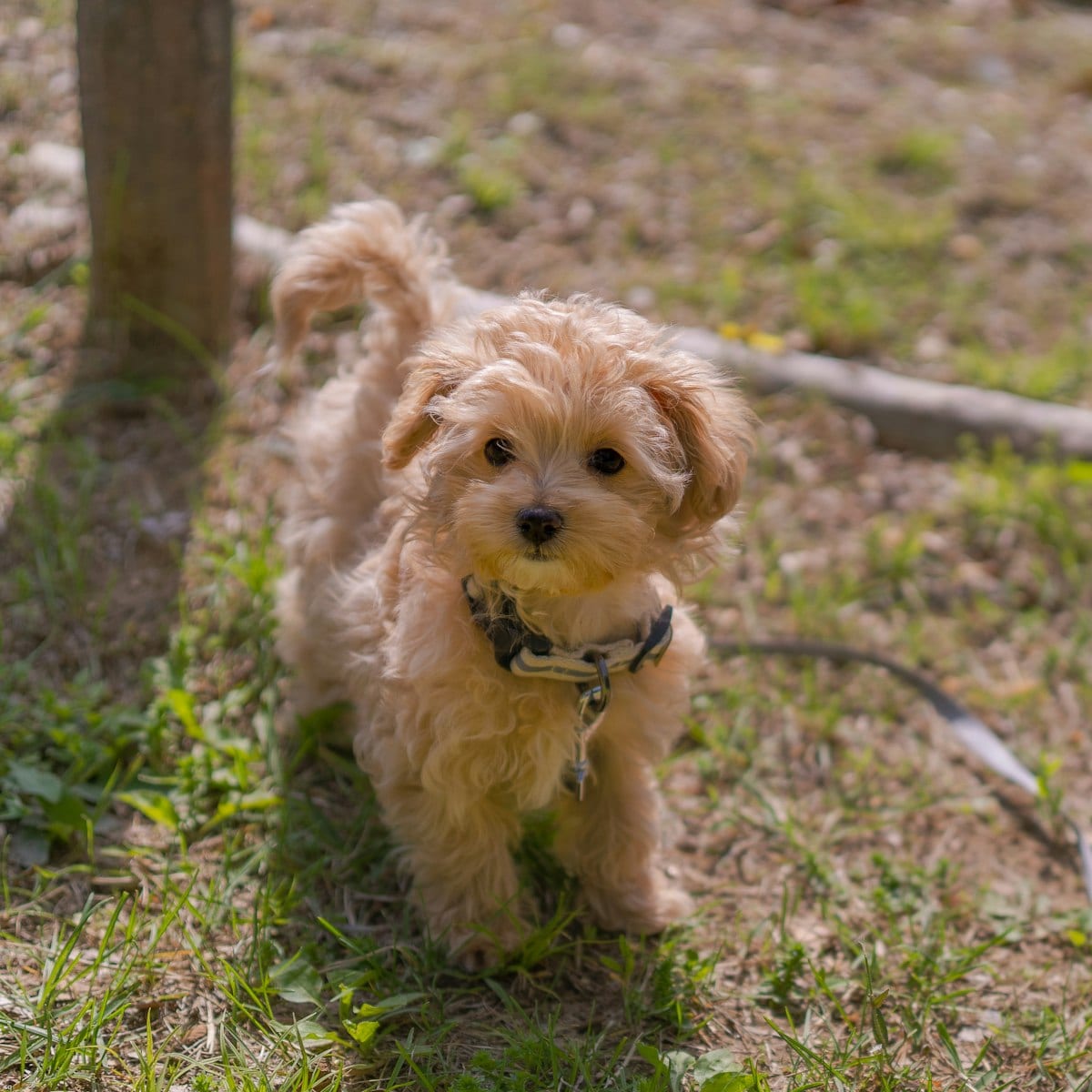
11 Hypoallergenic Dog Breeds For Allergy-Sensitive Homes
Choosing a breed that fits Matching a breed to your lifestyle matters more than choosing one based on appearance or popularity trends on social media.d in.
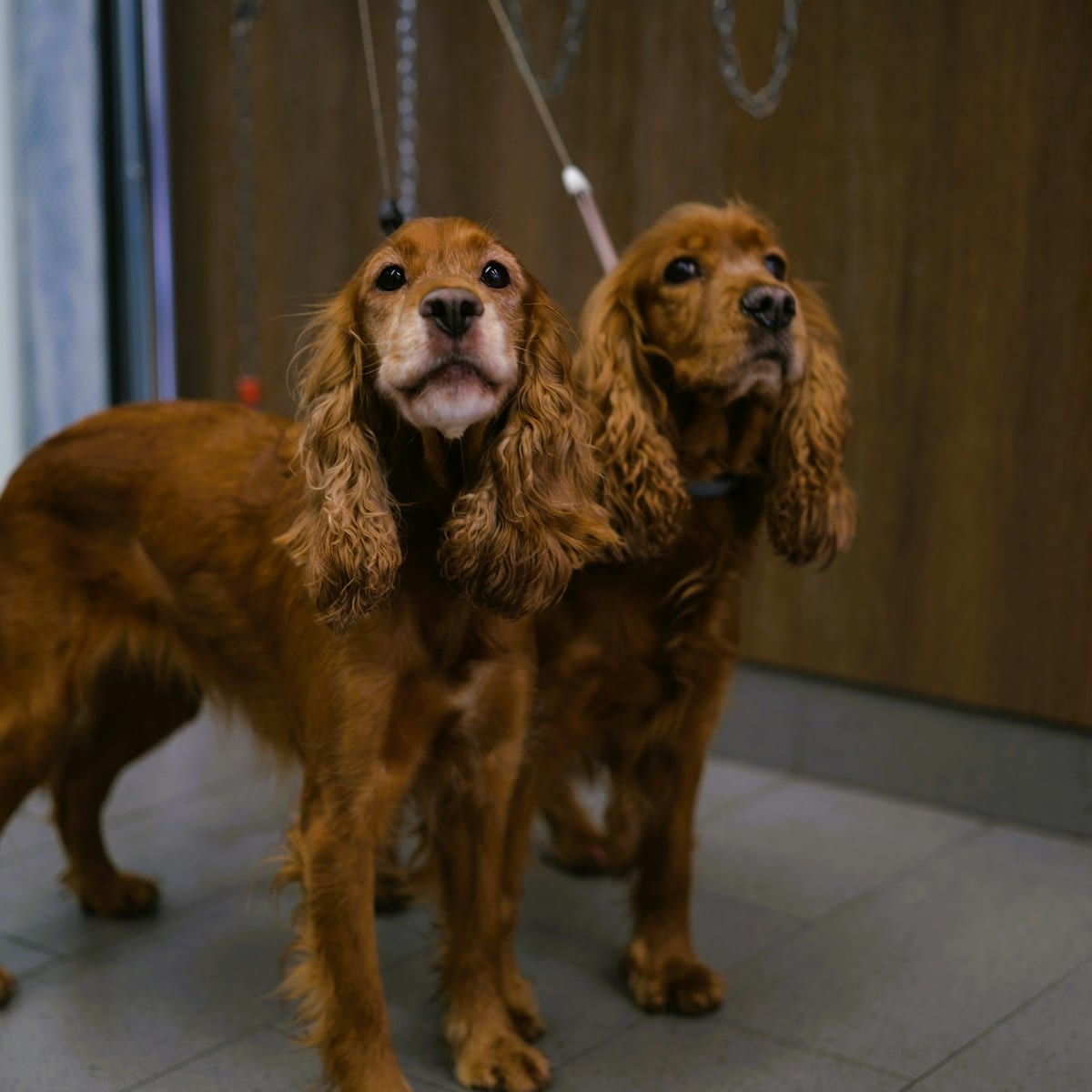
11 Playful Dog Breeds Made For Summer Fun
Breed reputation versus reality A breed reputation for friendliness or aggression does not define every dog. Individual history, training, and.
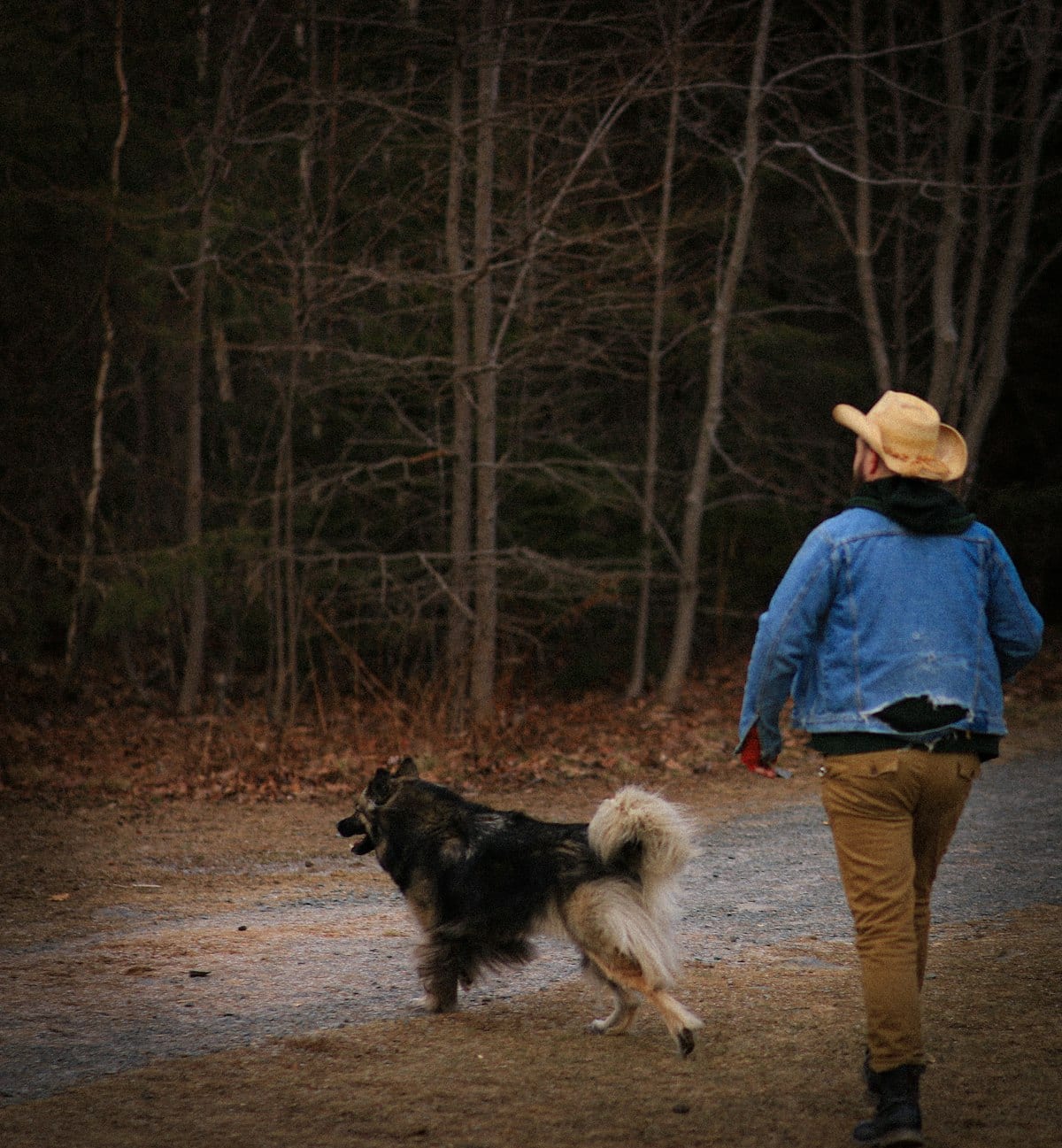
Best Dog Frisbees for 2026: 7 Picks That Fly Far and Last
Beyond breed generalizations Mixed-breed dogs combine traits from multiple lines in unpredictable ways, making breed-based assumptions even less reliable.
No comments yet.