
The Labrador Retriever has earned a well-deserved reputation as one of the most capable and loyal dog breeds. Whether you're looking for a working partner or a family companion, this breed can excel — but only in the right hands. Here's an honest look at what it takes to be a responsible Labrador Retriever owner.

Labrador Retriever
Overview
The Labrador Retriever is one of the most popular and versatile dog breeds worldwide, renowned for its intelligence, friendly disposition, and exceptional working ability. Originally developed as a fishing and retrieving dog in the rugged coastal region of Newfoundland, Canada, the breed has evolved into a beloved family companion, a skilled service dog, and a top-performing competitor in canine sports. The Labrador Retriever is consistently ranked among the most registered breeds by major kennel clubs, including the American Kennel Club (AKC) and The Kennel Club (UK), reflecting its widespread appeal and adaptability.
History & Origin
The Labrador Retriever's origins trace back to the island of Newfoundland in the early 19th century. Local fishermen developed a breed known as the St. John's water dog, a smaller, water-resistant retriever used to haul nets, retrieve fish that escaped from hooks, and pull small boats to shore. These dogs were characterized by their short, dense coats, strong swimming abilities, and gentle mouths. In the early 1800s, English noblemen visiting Newfoundland were impressed by these dogs and imported them to Britain. There, breeders refined the St. John's water dog into the modern Labrador Retriever, focusing on enhancing its retrieving instincts, trainability, and temperament. The breed gained recognition from The Kennel Club in 1903 and from the AKC in 1917. The name "Labrador" is believed to derive from the Labrador Sea, which borders Newfoundland, though the breed itself originated on the island, not the Labrador region. Over the 20th century, the Labrador Retriever became a favored gundog in the United Kingdom and a popular family pet in North America, with its role expanding to include guide dogs for the blind, search-and-rescue work, and detection duties.
Physical Characteristics
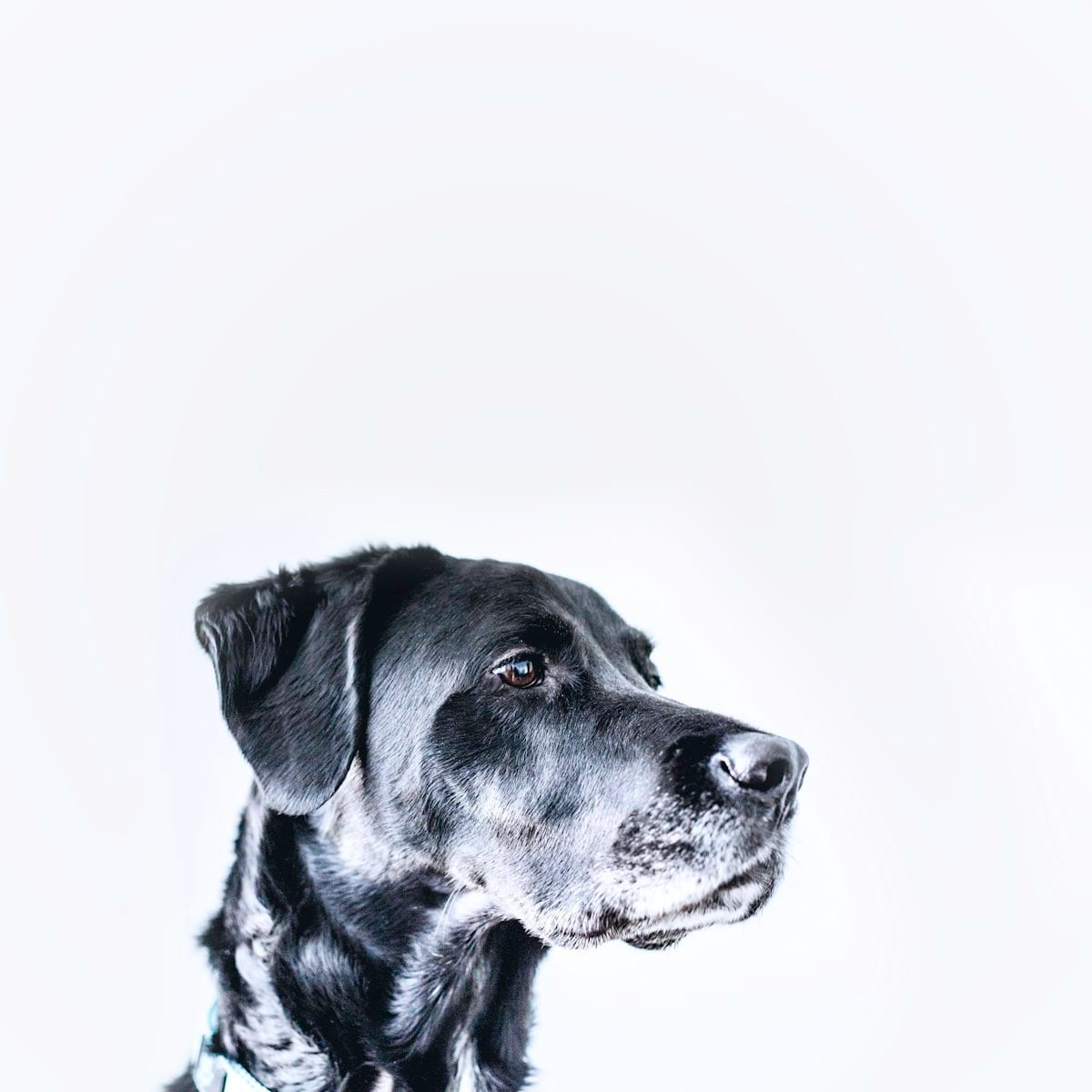
The Labrador Retriever is a medium-to-large, strongly built dog with a robust, athletic frame. It possesses a broad head with a pronounced stop, a powerful muzzle, and kind, expressive eyes that are typically brown or hazel. The ears are medium-sized, pendulous, and set slightly back, hanging close to the head. The neck is strong and clean, the chest deep and wide, and the back level. The tail is distinctive, often described as an "otter tail," being thick at the base and tapering to a point, covered with short, dense fur. The coat is a hallmark of the breed: short, straight, and dense with a soft, weather-resistant undercoat. Acceptable colors include solid black, solid yellow (ranging from light cream to fox-red), and solid chocolate (ranging from light to dark brown). The breed's webbed feet and water-repellent coat are adaptations for swimming. Males typically stand 56–62 cm (22–24.5 in) at the shoulder and weigh 29–36 kg (65–80 lbs), while females are slightly smaller, standing 55–60 cm (21.5–23.5 in) and weighing 25–32 kg (55–70 lbs).
Temperament & Personality
The Labrador Retriever is celebrated for its even-tempered, outgoing, and affectionate nature. It is an extremely friendly breed, known for its eagerness to please and high level of sociability. Labradors are typically excellent with children, displaying patience and gentleness, and they generally get along well with other dogs and pets, especially when properly socialized. They are playful and energetic, often retaining a puppy-like exuberance well into adulthood. The breed is intelligent and highly trainable, which makes it a top choice for service and therapy work. However, Labradors can be overly enthusiastic and may exhibit mouthing behaviors due to their retrieving instincts. They are not typically aggressive but may bark to alert their owners. A well-bred Labrador is stable, reliable, and lacking in shyness or nervousness. Separation anxiety can develop if left alone for long periods, as they thrive on human companionship. Early socialization and consistent training are essential to channel their energy positively.
Care & Maintenance
Exercise Requirements
Labradors are high-energy dogs that require substantial daily exercise. A minimum of one hour of vigorous activity per day is recommended, including walks, runs, swimming, or retrieving games. They excel in canine sports such as agility, obedience, and dock diving. Without sufficient exercise, Labradors may become destructive or develop obesity. Their retrieving instinct makes fetch a particularly rewarding activity. Owners should ensure access to safe, fenced areas for off-leash play, as Labradors have a strong prey drive and may chase small animals.
Grooming Needs
The Labrador's short double coat sheds heavily, especially during seasonal changes in spring and autumn. Regular brushing, at least two to three times per week with a rubber curry brush or shedding tool, helps manage loose hair and maintain coat health. Bathing should be done every few months or as needed, using a mild dog shampoo to preserve the coat's natural oils. Ears should be checked weekly for signs of infection, as the breed's floppy ears can trap moisture. Nails should be trimmed monthly if not worn down naturally, and teeth should be brushed regularly to prevent dental disease.
Training
Labradors are highly intelligent and eager to please, making them one of the most trainable breeds. Positive reinforcement methods, such as treats, praise, and play, yield the best results. Harsh corrections are counterproductive and can damage the dog's trust. Early socialization, starting from puppyhood, is crucial to develop a well-rounded adult. Labradors respond well to consistent routines and enjoy learning new commands and tricks. They can be stubborn or easily distracted by food, so patience is key. Crate training is often recommended for housebreaking and providing a safe space. Their natural retrieving instinct can be channeled into formal retrieving games or field trials.
Health
Labrador Retrievers are generally healthy but are predisposed to several genetic conditions. Common health issues include hip and elbow dysplasia, which can lead to arthritis and mobility problems. Progressive retinal atrophy (PRA) is an inherited eye disorder that can cause blindness. Exercise-induced collapse (EIC) is a condition affecting some lines, causing weakness and collapse after intense exercise. Obesity is a significant concern due to the breed's food motivation, requiring careful diet management and portion control. Other conditions include ear infections, allergies, and luxating patella. Responsible breeders conduct health screenings, including hip and elbow evaluations, eye exams, and DNA testing for PRA and EIC. The average lifespan is 10–12 years, with some individuals living longer with proper care. Regular veterinary check-ups and a balanced diet are essential for maintaining health.
Living Conditions
The Labrador Retriever is adaptable but thrives best in homes with access to a securely fenced yard where it can run and play. While they can adjust to apartment living if provided with sufficient daily exercise, their size and energy level make a house with a yard more suitable. They are not ideal for homes where they are left alone for long periods, as they require considerable human interaction and mental stimulation. Labradors are generally good with children and other pets, but supervision is recommended with very young children due to the dog's size and enthusiasm. The breed is sensitive to extreme heat and cold, so climate-controlled environments are important. They are not recommended for novice owners unless they are committed to providing the necessary exercise and training.
Conclusion
The Labrador Retriever is a versatile, intelligent, and affectionate breed that excels as both a working dog and a family companion. Its friendly temperament, trainability, and robust health make it a suitable choice for active individuals and families. However, prospective owners must be prepared for the breed's high exercise needs, substantial shedding, and predisposition to certain health issues. With proper care, socialization, and training, the Labrador Retriever offers a loyal and rewarding partnership that has cemented its status as one of the world's most beloved dog breeds.
References
Based on standards from the American Kennel Club (AKC), The Kennel Club (UK), the Canadian Kennel Club (CKC), and the Labrador Retriever Club, Inc. Health information derived from veterinary sources and breed-specific health surveys.
Common questions
Is thinking about a labrador retriever? here's what you need to know good for first-time owners?
It depends on exercise needs, grooming load, and your daily schedule. Meet adult dogs of the breed before deciding.
How much exercise does thinking about a labrador retriever? here's what you need to know usually need?
Look at working history, not just size. Under-exercised dogs often bark, chew, or struggle with training regardless of breed label.
What ongoing costs should I expect with thinking about a labrador retriever? here's what you need to know?
Budget for grooming, training, preventive vet care, and quality food—these often exceed the purchase price over the dog’s life.
More in Dog Breeds
What Are the Rarest Dog Breeds?
What breed descriptions miss Breed standards describe appearance and general temperament, but individual dogs vary widely within every breed based on.

What Are the Best Fox Rescues and Shelters in The US?
Researching a breed before adopting Speaking with breed owners, visiting rescue organizations, and meeting adult dogs in person gives a more accurate.

How Much Better is a Dog's Sense of Smell Than a Human’s?
Beyond the breed description Meeting adult dogs of the breed in person teaches more about their temperament than reading breed profiles or watching online.

How to Care for a Pet Fox: Diet, Needs, Exercise, and More
Understanding breed characteristics Energy levels, grooming requirements, and trainability are tendencies rather than guarantees. Individual variation.
No comments yet.