
If you're drawn to the Akita Inu, you're not alone. This breed consistently ranks among the most popular dogs worldwide, admired for their intelligence, versatility, and deep bond with their owners. But popularity doesn't mean they're the right fit for every household. Here's what you need to know before making the commitment.
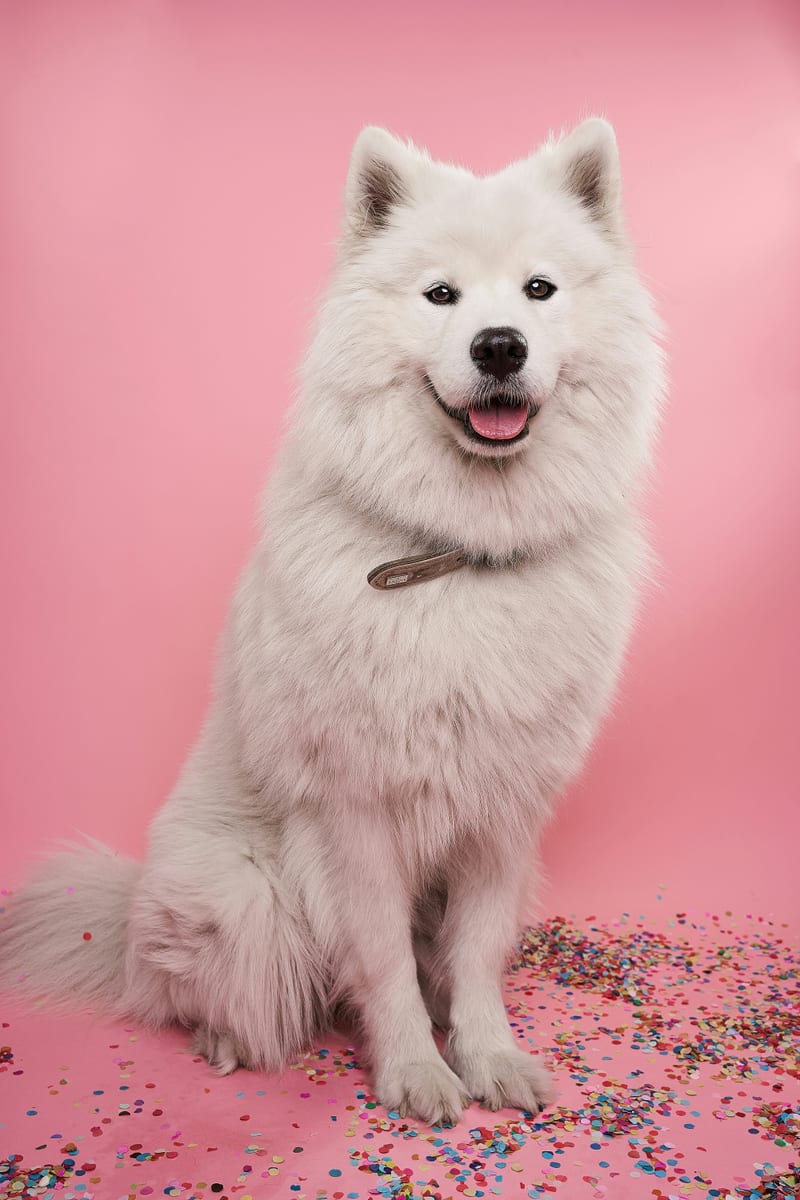
Akita Inu
Overview
The Akita Inu is a large, powerful, and noble dog breed originating from the mountainous regions of northern Japan. Renowned for its loyalty, dignity, and courage, the Akita is a symbol of good health, happiness, and longevity in Japanese culture. The breed is distinguished by its sturdy build, erect ears, curled tail, and a dense double coat that allows it to thrive in cold climates. The Akita Inu is a national treasure in Japan and is celebrated for its unwavering devotion to its family. However, this breed requires an experienced owner due to its strong-willed nature and protective instincts.
History & Origin
The Akita Inu takes its name from Akita Prefecture, located on the island of Honshu in northern Japan. The breed's ancestors, known as Matagi Inu, were hunting dogs used by the Matagi people to track and hunt large game such as bear, wild boar, and deer. These dogs were prized for their strength, endurance, and fearlessness. During the 17th century, the Akita Inu was bred exclusively by the ruling samurai class, who valued the dog for its hunting prowess and loyalty. The breed was also used in dog fighting, a practice that later declined.
In the early 20th century, the Akita Inu faced a threat of extinction due to crossbreeding with Western breeds such as the German Shepherd and the Mastiff. Dedicated Japanese breeders, led by individuals like Dr. Shigeo Watase, worked to preserve the pure Akita lineage. In 1931, the Japanese government designated the Akita Inu as a "Natural Monument," granting it legal protection. Following World War II, the breed's population was further diminished, but American servicemen brought Akitas to the United States, leading to the development of two distinct lines: the Japanese Akita Inu (preserved in Japan) and the American Akita (developed in the United States). The Akita Inu was officially recognized by the American Kennel Club (AKC) in 1972.
Physical Characteristics
The Akita Inu is a large, well-balanced dog with a robust and muscular frame. Males typically stand 66–71 cm (26–28 in) at the shoulder and weigh 45–59 kg (100–130 lbs), while females are slightly smaller, measuring 61–66 cm (24–26 in) and weighing 32–45 kg (70–100 lbs). The breed has a broad head with a blunt muzzle, dark brown eyes that are small and triangular, and erect, thick ears that are slightly rounded at the tips. The tail is thick and curled over the back, often resting on one side.
The coat is a defining feature of the Akita Inu. It consists of a dense, soft undercoat and a harsh, straight outer coat that is slightly longer at the withers and rump. Acceptable colors according to the Japanese breed standard include red, fawn, sesame (red or fawn with black-tipped hairs), brindle, and pure white. All colors must have a white undercoat and white markings on the muzzle, cheeks, neck, chest, belly, and underside of the tail. The breed's double coat provides excellent insulation against cold weather.
Temperament & Personality
The Akita Inu is known for its dignified, loyal, and independent temperament. This breed forms deep bonds with its family and is often described as devoted and protective. Akitas are naturally reserved with strangers and can be aloof, making them excellent watchdogs. They are intelligent but can be stubborn, requiring consistent and firm training from an early age.
With families, the Akita is gentle and affectionate, especially with children it has been raised with. However, due to its size and strong prey drive, supervision is necessary around young children and small pets. Akitas generally do not tolerate other dogs of the same sex and may be aggressive toward unfamiliar animals. Early socialization is crucial to mitigate these tendencies. The breed is not typically recommended for first-time dog owners, as its strong-willed nature demands an experienced handler who can establish clear leadership.
Care & Maintenance
Exercise Requirements
The Akita Inu has moderate exercise needs. Daily walks, play sessions in a securely fenced yard, or activities such as hiking are sufficient to keep the breed physically and mentally stimulated. Akitas are not hyperactive but require regular exercise to prevent boredom and destructive behavior. They enjoy activities that engage their natural instincts, such as tracking or obedience training. Due to their history as hunting dogs, Akitas should always be kept on a leash in public areas, as they may chase small animals.
Grooming Needs
The Akita Inu is a heavy shedder, with significant seasonal shedding occurring twice a year. During these periods, daily brushing is recommended to remove loose fur and prevent matting. Outside of shedding seasons, weekly brushing is sufficient. The coat is naturally clean and has minimal odor, so bathing should be limited to every few months to avoid stripping the natural oils. Regular nail trimming, ear cleaning, and dental care are essential components of the grooming routine. Professional grooming is rarely required, as the coat is low-maintenance aside from shedding.
Training
Training an Akita Inu requires patience, consistency, and positive reinforcement methods. The breed is intelligent but can be independent and stubborn, making early obedience training essential. Harsh or punitive training techniques are counterproductive and may lead to fear or aggression. Socialization from puppyhood is critical to help the Akita become well-adjusted and tolerant of new people, animals, and environments. The breed excels in activities such as obedience, agility, and therapy work when properly trained.
Health
The Akita Inu is generally a healthy breed but is predisposed to several genetic conditions. Common health issues include hip dysplasia, elbow dysplasia, and progressive retinal atrophy (PRA), a degenerative eye disease that can lead to blindness. Autoimmune disorders, such as hypothyroidism and immune-mediated polyarthritis, are also seen in the breed. Additionally, Akitas are prone to gastric dilatation-volvulus (bloat), a life-threatening condition that requires immediate veterinary attention. Responsible breeders conduct health screenings for these conditions, including hip and elbow evaluations, ophthalmologist exams, and thyroid testing. The average lifespan of the Akita Inu is 10 to 15 years.
Living Conditions
The Akita Inu is best suited to a home with a securely fenced yard, as it requires space to roam and exercise. While the breed can adapt to apartment living if given sufficient daily exercise, its large size and protective nature make a house with a yard more ideal. Akitas are sensitive to heat due to their thick double coat and should be provided with cool, shaded areas in warm climates. They are well-suited to colder environments and may struggle in hot, humid regions without proper climate control. The breed is not recommended for homes with other dogs of the same sex or small pets such as cats or rabbits, due to its strong prey drive and territorial instincts.
Conclusion
The Akita Inu is a majestic and loyal breed with a rich history rooted in Japanese culture. Its dignified demeanor, protective instincts, and unwavering devotion make it a remarkable companion for experienced owners who can provide firm, consistent training and ample socialization. While the breed's high shedding, strong prey drive, and potential for aggression toward other animals present challenges, the Akita Inu rewards its family with profound loyalty and affection. Prospective owners should thoroughly research the breed and seek reputable breeders who prioritize health and temperament. The Akita Inu remains a symbol of courage and fidelity, embodying the spirit of its Japanese heritage.
References
Based on standards from the American Kennel Club (AKC), the Japan Kennel Club (JKC), and the Fédération Cynologique Internationale (FCI). Additional information sourced from breed-specific organizations and veterinary health databases.
Common questions
Is your complete akita inu resource good for first-time owners?
It depends on exercise needs, grooming load, and your daily schedule. Meet adult dogs of the breed before deciding.
How much exercise does your complete akita inu resource usually need?
Look at working history, not just size. Under-exercised dogs often bark, chew, or struggle with training regardless of breed label.
What ongoing costs should I expect with your complete akita inu resource?
Budget for grooming, training, preventive vet care, and quality food—these often exceed the purchase price over the dog’s life.
More in Dog Breeds
What Are the Rarest Dog Breeds?
What breed descriptions miss Breed standards describe appearance and general temperament, but individual dogs vary widely within every breed based on.
What Are the Best Fox Rescues and Shelters in The US?
Researching a breed before adopting Speaking with breed owners, visiting rescue organizations, and meeting adult dogs in person gives a more accurate.
How Much Better is a Dog's Sense of Smell Than a Human’s?
Beyond the breed description Meeting adult dogs of the breed in person teaches more about their temperament than reading breed profiles or watching online.
How to Care for a Pet Fox: Diet, Needs, Exercise, and More
Understanding breed characteristics Energy levels, grooming requirements, and trainability are tendencies rather than guarantees. Individual variation.
No comments yet.