
The Irish Wolfhound is a breed that demands respect and rewards patience. Bred for intelligence and endurance, these dogs thrive when given a job to do and a family to protect. But their high energy and strong will mean they're best suited for owners who understand their unique needs from day one.
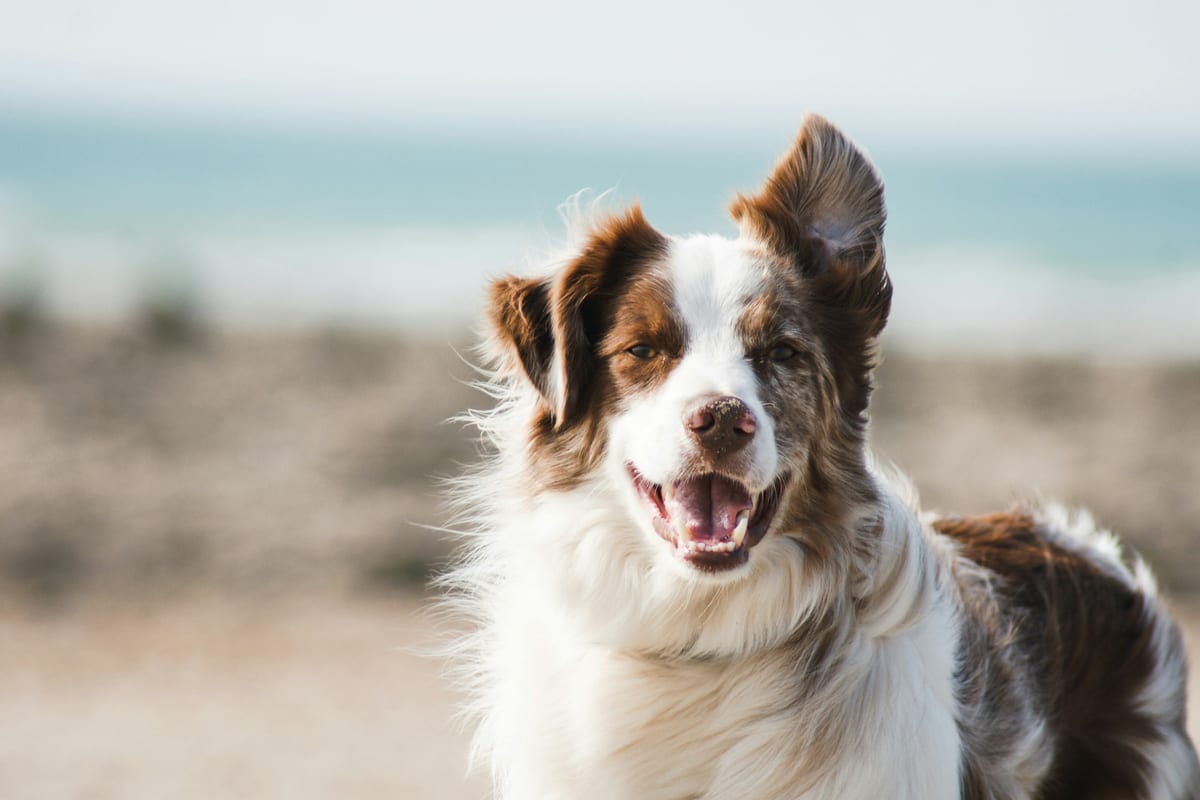
Irish Wolfhound
Overview
The Irish Wolfhound is a giant breed of sighthound originating in Ireland. Renowned for its immense size, gentle nature, and historical role as a war dog and hunter of large game, it is one of the tallest dog breeds in the world. Despite its formidable appearance, the Irish Wolfhound is known for its calm, friendly, and loyal temperament, making it a devoted companion in suitable homes.
History & Origin
The Irish Wolfhound's ancestry can be traced back to ancient Ireland, where it was bred for hunting wolves, elk, and other large prey, as well as for use in warfare. References to large hounds in Ireland appear in early Celtic literature and mythology, including the tales of Cú Chulainn. These dogs were highly valued by Irish chieftains and were often given as gifts to royalty and nobility across Europe. By the 17th century, the breed had declined dramatically due to the extinction of wolves in Ireland and the loss of its traditional roles. The Irish Wolfhound was revived in the 19th century by Captain George Augustus Graham, who crossbred remaining specimens with Scottish Deerhounds, Great Danes, and Borzois to recreate the breed. The modern Irish Wolfhound was standardized in the late 1800s and recognized by major kennel clubs thereafter.
Physical Characteristics
The Irish Wolfhound is a giant breed with a commanding presence. Males typically stand 81–86 cm (32–34 in) at the shoulder and weigh 54–72 kg (120–159 lbs), while females are slightly smaller at 71–81 cm (28–32 in) and 40–54 kg (88–120 lbs). The body is long and muscular, with a deep chest and a slightly arched loin. The head is long and lean, with a moderately pointed muzzle and small, dark eyes that convey a gentle expression. The ears are small and rose-shaped. The tail is long and slightly curved. The coat is rough, wiry, and harsh to the touch, providing protection against harsh weather. Common coat colours include grey, brindle, red, black, fawn, and white. The breed's distinctive appearance combines power and elegance, with a gait that is smooth and ground-covering.
Temperament & Personality
Irish Wolfhounds are famously gentle and even-tempered, earning them the nickname "gentle giants." They are affectionate and loyal to their families, forming strong bonds with their owners. They are generally good with children, displaying patience and tolerance, though their large size requires supervision around small children to prevent accidental knocks. They can be reserved with strangers but are not typically aggressive. With proper socialization, they usually get along well with other dogs and pets, though their hunting instincts may be triggered by small animals. They are sensitive dogs that respond best to positive reinforcement and consistent, calm handling. Despite their size, they are not typically guard dogs, as they are more likely to greet intruders with curiosity than aggression.
Care & Maintenance
Exercise Requirements
Irish Wolfhounds have moderate exercise needs. They require daily walks and opportunities to stretch their legs in a secure, fenced area. While they enjoy running, they are not high-energy dogs and are prone to laziness. Puppies and young adults should not engage in excessive high-impact exercise to protect their developing bones and joints. Adult Wolfhounds benefit from at least 30–60 minutes of moderate activity per day. They are not suited for intense athletic pursuits but enjoy leisurely walks and occasional sprints.
Grooming Needs
The rough, wiry coat of the Irish Wolfhound requires regular brushing, typically two to three times per week, to prevent matting and remove loose hair. Professional grooming every few months is recommended to maintain the coat's texture and shape. Bathing should be done only when necessary, as frequent bathing can strip the coat of natural oils. Nail trimming, ear cleaning, and dental care should be part of the routine. The breed is a low shedder, which can be an advantage for some owners.
Training
Irish Wolfhounds are intelligent but can be independent and stubborn. Early socialization and obedience training are essential. They respond best to positive reinforcement methods, such as treats and praise, as harsh corrections can damage their sensitive nature. Training sessions should be short and consistent. Due to their size, basic commands like "sit," "stay," and "come" are crucial for safety. They can be challenging to train for novice owners, and professional guidance may be beneficial. Their recall can be unreliable, particularly when distracted, so a secure environment is necessary.
Health
Irish Wolfhounds are generally healthy but are prone to several genetic and breed-specific health issues. Common conditions include hip dysplasia, elbow dysplasia, and bloat (gastric dilatation-volvulus), which is a life-threatening emergency. They are also at risk for heart conditions such as dilated cardiomyopathy, as well as bone cancer (osteosarcoma), hypothyroidism, and eye disorders like progressive retinal atrophy. Responsible breeders perform health screenings for these conditions. The breed's average lifespan is 6–10 years, which is shorter than many smaller breeds. Owners should be prepared for significant veterinary expenses and the emotional challenges of a shorter lifespan. Regular veterinary check-ups, a balanced diet, and appropriate exercise can help mitigate some health risks.
Living Conditions
Irish Wolfhounds are not well-suited for apartment living due to their size and need for space. They thrive in homes with large, securely fenced yards where they can move freely. They are relatively inactive indoors and can adapt to smaller spaces if given sufficient outdoor time, but they require room to stretch out. They are sensitive to extreme temperatures, particularly heat, and should have access to shade and fresh water. They do best in temperate climates. Due to their size, they may inadvertently damage household items and require sturdy furniture. They are not recommended for first-time dog owners unless they have extensive support and resources.
Conclusion
The Irish Wolfhound is a majestic and noble breed with a rich history and a gentle disposition. Its immense size, loyalty, and calm temperament make it a unique companion for those with the space, time, and resources to meet its needs. However, its short lifespan, health concerns, and exercise requirements demand careful consideration. For experienced owners who can provide a suitable environment, the Irish Wolfhound offers unparalleled devotion and a dignified presence.
References
Based on standards from major kennel clubs and breed organizations, including the American Kennel Club (AKC), The Kennel Club (UK), and the Irish Wolfhound Club of Ireland.
Common questions
Is irish wolfhound good for first-time owners?
It depends on exercise needs, grooming load, and your daily schedule. Meet adult dogs of the breed before deciding.
How much exercise does irish wolfhound usually need?
Look at working history, not just size. Under-exercised dogs often bark, chew, or struggle with training regardless of breed label.
What ongoing costs should I expect with irish wolfhound?
Budget for grooming, training, preventive vet care, and quality food—these often exceed the purchase price over the dog’s life.
More in Dog Breeds
13 All-American Dog Breeds Born In The USA
Health considerations by breed Breed-specific health screenings exist for good reason. Researching common conditions before choosing a breeder can prevent.
11 Hypoallergenic Dog Breeds For Allergy-Sensitive Homes
Choosing a breed that fits Matching a breed to your lifestyle matters more than choosing one based on appearance or popularity trends on social media.d in.
11 Playful Dog Breeds Made For Summer Fun
Breed reputation versus reality A breed reputation for friendliness or aggression does not define every dog. Individual history, training, and.
Best Dog Frisbees for 2026: 7 Picks That Fly Far and Last
Beyond breed generalizations Mixed-breed dogs combine traits from multiple lines in unpredictable ways, making breed-based assumptions even less reliable.
No comments yet.