
The Greenland Dog has a reputation that precedes it — and in most cases, that reputation is well deserved. These are dogs of remarkable ability and character, but they are not for everyone. Understanding their temperament, exercise needs, and health concerns is essential if you're considering adding one to your family.
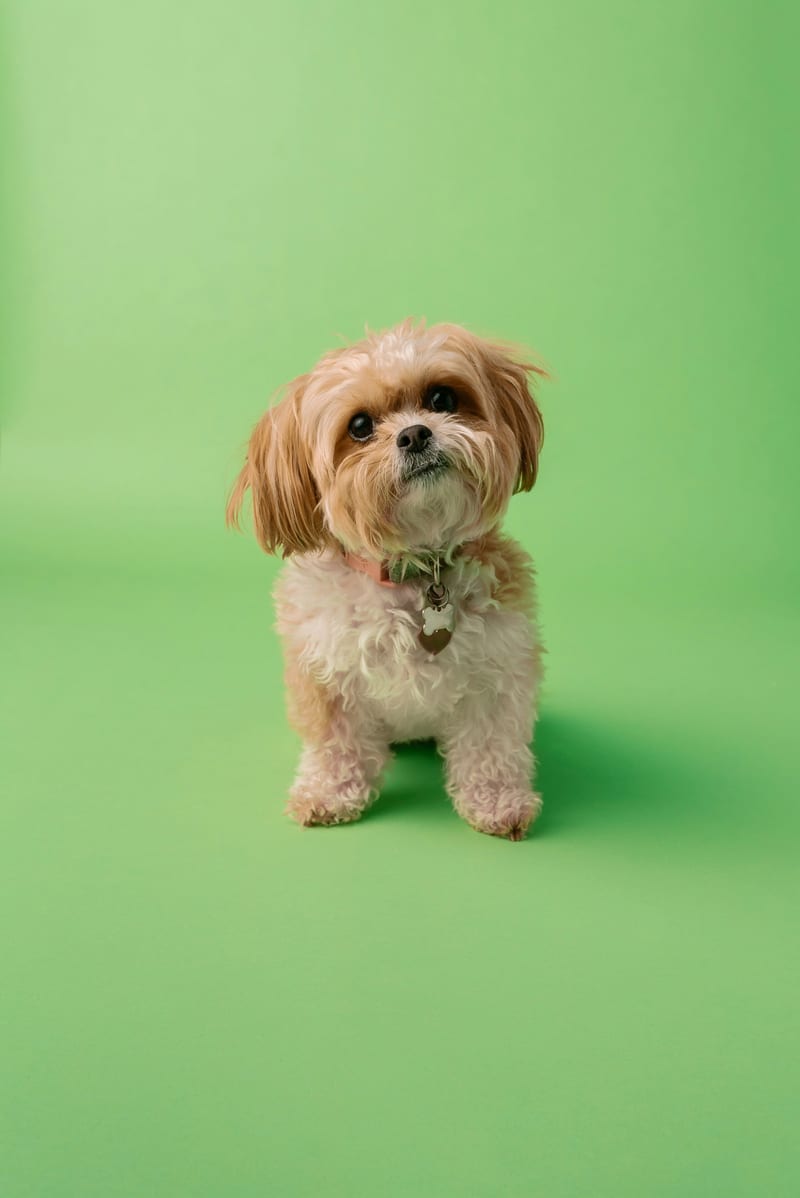
Greenland Dog
Overview
The Greenland Dog is a large, powerful, and ancient working breed originating from the Arctic regions of Greenland. Bred primarily for sled pulling and hunting, this breed is renowned for its endurance, strength, and resilience in extreme cold climates. As a primitive dog breed, the Greenland Dog retains many characteristics of its wolf ancestors, including a strong pack instinct and independent nature. While not commonly kept as a companion pet, it remains a vital working dog in its native environment and is recognized by major kennel clubs worldwide, including the American Kennel Club (AKC) in its Foundation Stock Service and the Fédération Cynologique Internationale (FCI) in Group 5 (Spitz and Primitive Types).
History & Origin
The Greenland Dog is one of the oldest and purest dog breeds, with a lineage tracing back over 4,000 years to the Thule people, the ancestors of the modern Inuit. These dogs were brought to Greenland from Siberia by the Thule and later developed by the Inuit into essential tools for survival in the harsh Arctic environment. Historically, the Greenland Dog served as a sled dog for transportation, a hunting companion for seals and polar bears, and a guardian for settlements. Its ability to navigate frozen landscapes and endure extreme temperatures made it indispensable to indigenous cultures.
European explorers, including Fridtjof Nansen and Roald Amundsen, used Greenland Dogs during polar expeditions in the late 19th and early 20th centuries, contributing to their international recognition. Unlike many modern breeds, the Greenland Dog has undergone minimal selective breeding for appearance, maintaining its original working traits. Today, it remains a rare breed outside of Greenland, where it is still used for sledding and hunting by local communities.
Physical Characteristics
The Greenland Dog is a robust and muscular breed, built for endurance and power. It possesses a thick double coat consisting of a dense, woolly undercoat and a coarse, water-resistant outer coat that provides insulation against freezing temperatures. The coat comes in a wide range of colors, including white, black, gray, sable, and various combinations, often with distinctive facial masks or markings.
Males are typically larger than females, standing 56–68 cm (22–27 in) at the shoulder and weighing 35–47 kg (77–104 lbs), while females measure 51–61 cm (20–24 in) and weigh 30–40 kg (66–88 lbs). The breed has a wedge-shaped head with a broad skull, strong muzzle, and erect, triangular ears. Its tail is thick and bushy, often carried curled over the back. The eyes are almond-shaped and dark, conveying an alert and intelligent expression. The chest is deep, and the legs are sturdy with large, well-padded feet that provide traction on snow and ice.
Temperament & Personality
The Greenland Dog is characterized by its independent, intelligent, and loyal nature. As a primitive breed, it retains strong pack instincts and a hierarchical mindset, making it highly responsive to consistent leadership. This breed is known for its endurance and determination, often displaying a stubborn streak when working or exploring. It is generally friendly and affectionate toward its family but can be reserved or aloof with strangers.
Greenland Dogs are not typically aggressive but may exhibit dominance toward other dogs, especially those of the same sex. Their hunting instincts are strong, so they may chase small animals. While they can coexist with children if raised together, their size and energy require supervision. They are not recommended for first-time dog owners due to their need for firm, experienced handling. The breed is vocal, often howling or barking to communicate, which can be challenging in urban settings.
Care & Maintenance
Exercise Requirements
The Greenland Dog has extremely high exercise needs and is not suited for a sedentary lifestyle. As a working breed, it requires at least 1–2 hours of vigorous daily activity, such as running, hiking, or pulling a sled or cart. Mental stimulation is equally important; tasks that engage its problem-solving abilities, like tracking or agility exercises, help prevent boredom. Without adequate exercise, this breed may develop destructive behaviors or excessive barking.
Grooming Needs
Grooming requirements for the Greenland Dog are high due to its thick double coat. During shedding seasons (spring and fall), daily brushing is necessary to remove loose fur and prevent matting. Outside of these periods, weekly brushing suffices. The breed is a heavy shedder and is not hypoallergenic. Bathing should be infrequent to preserve natural coat oils; only when necessary. Regular ear cleaning, nail trimming, and dental care are also essential.
Training
Training a Greenland Dog requires patience, consistency, and positive reinforcement methods. This breed is intelligent but independent, which can make it challenging to train for obedience. Harsh or forceful techniques are counterproductive and may lead to resistance. Early socialization and puppy obedience classes are crucial to develop good behavior around people and other animals. The breed excels in activities that mimic its historical roles, such as sledding, weight pulling, and mushing.
Health
The Greenland Dog is generally a healthy and hardy breed with few genetic health problems, thanks to its natural selection in a harsh environment. However, like many large breeds, it can be prone to certain conditions, including hip dysplasia, elbow dysplasia, and gastric dilatation-volvulus (bloat). Regular veterinary check-ups and a balanced diet are important for maintaining health. Recommended health tests include hip and elbow evaluations, as well as eye examinations. The average lifespan is 10–14 years, with some individuals living longer with proper care.
Living Conditions
The Greenland Dog is not suitable for apartment living due to its size, energy level, and need for space. It thrives in rural or suburban environments with access to large, securely fenced yards. This breed is best suited for cold climates; its thick coat makes it uncomfortable in hot weather, and it may suffer from heatstroke if not provided with shade and water. A kennel or outdoor shelter is ideal, but the breed should not be left chained or isolated for long periods, as it requires human companionship and regular interaction.
Conclusion
The Greenland Dog is a remarkable breed that embodies the spirit of Arctic survival and human partnership. Its strength, endurance, and loyalty make it an exceptional working dog, but its high exercise needs and independent temperament mean it is not suitable for every household. Potential owners must be experienced, active, and committed to providing the physical and mental stimulation this breed requires. For those who can meet its demands, the Greenland Dog offers a unique and rewarding bond, rooted in thousands of years of history.
References
Based on standards from major kennel clubs and breed organizations, including the American Kennel Club (AKC), the Fédération Cynologique Internationale (FCI), and the Canadian Kennel Club (CKC). Additional information from peer-reviewed studies on canine genetics and Arctic dog breeds.
Common questions
Is the greenland dog handbook good for first-time owners?
It depends on exercise needs, grooming load, and your daily schedule. Meet adult dogs of the breed before deciding.
How much exercise does the greenland dog handbook usually need?
Look at working history, not just size. Under-exercised dogs often bark, chew, or struggle with training regardless of breed label.
What ongoing costs should I expect with the greenland dog handbook?
Budget for grooming, training, preventive vet care, and quality food—these often exceed the purchase price over the dog’s life.
More in Dog Breeds
13 All-American Dog Breeds Born In The USA
Health considerations by breed Breed-specific health screenings exist for good reason. Researching common conditions before choosing a breeder can prevent.
11 Hypoallergenic Dog Breeds For Allergy-Sensitive Homes
Choosing a breed that fits Matching a breed to your lifestyle matters more than choosing one based on appearance or popularity trends on social media.d in.
11 Playful Dog Breeds Made For Summer Fun
Breed reputation versus reality A breed reputation for friendliness or aggression does not define every dog. Individual history, training, and.
Best Dog Frisbees for 2026: 7 Picks That Fly Far and Last
Beyond breed generalizations Mixed-breed dogs combine traits from multiple lines in unpredictable ways, making breed-based assumptions even less reliable.
No comments yet.