
The Goldendoodle has earned a well-deserved reputation as one of the most capable and loyal dog breeds. Whether you're looking for a working partner or a family companion, this breed can excel — but only in the right hands. Here's an honest look at what it takes to be a responsible Goldendoodle owner.

Goldendoodle
Overview
The Goldendoodle is a popular designer dog breed resulting from the crossbreeding of a Golden Retriever and a Poodle. Developed primarily as a companion animal, it is prized for its intelligent, friendly nature and low-shedding coat. Goldendoodles are not recognized as a purebred breed by major kennel clubs but are registered with various hybrid and designer dog registries. They come in multiple sizes—standard, miniature, and toy—depending on the type of Poodle used in the cross. Their temperament is generally affectionate, sociable, and highly trainable, making them suitable for families, individuals, and therapy work.
History & Origin
The Goldendoodle originated in the late 20th century, with the first intentional crosses likely occurring in the 1990s in both the United States and Australia. The breed was developed as part of a broader trend toward creating "designer dogs" that combine desirable traits from two established breeds. The primary motivation was to produce a dog with the Golden Retriever's gentle, loyal temperament and the Poodle's intelligence and low-shedding, hypoallergenic coat. Australian breeders, notably those involved in the development of the Labradoodle, also contributed to early Goldendoodle lines. The breed gained rapid popularity in North America and Europe due to its family-friendly qualities and perceived suitability for allergy sufferers. Despite its relatively recent origin, the Goldendoodle has become one of the most sought-after hybrid breeds worldwide.
Physical Characteristics
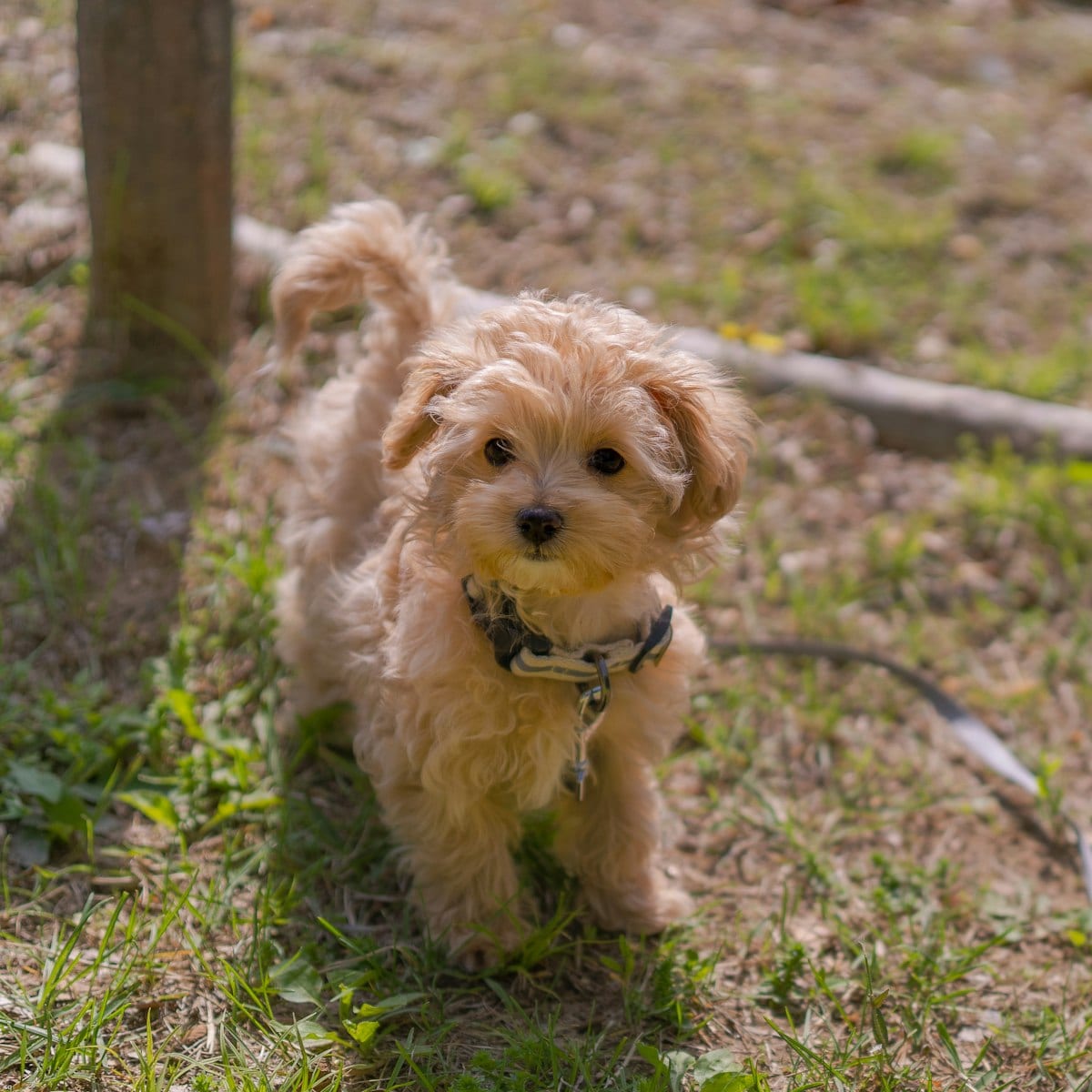
Goldendoodles exhibit considerable variation in size and appearance due to their hybrid nature. Size categories are generally defined by the Poodle parent: standard Goldendoodles (from Standard Poodles) stand 51 to 66 cm (20 to 26 in) and weigh 23 to 41 kg (50 to 90 lbs); miniature Goldendoodles (from Miniature Poodles) stand 38 to 51 cm (15 to 20 in) and weigh 11 to 23 kg (25 to 50 lbs); and toy Goldendoodles (from Toy Poodles) stand up to 38 cm (15 in) and weigh 6.8 to 11 kg (15 to 25 lbs). The coat is typically wavy (fleece) or curly (wool), with a soft texture. Colors include cream, apricot, gold, red, black, chocolate, and parti-color (white with patches of another color). Distinctive features include a broad head, floppy ears, a well-proportioned body, and a tail that is often carried with a slight curve. The eyes are dark and expressive, contributing to an alert and friendly expression.
Temperament & Personality
Goldendoodles are renowned for their amiable and outgoing temperament. They inherit the Golden Retriever's affectionate and patient nature, combined with the Poodle's sharp intelligence and eagerness to please. These dogs are typically very sociable, enjoying interaction with people, including children, and generally get along well with other dogs and pets. They are often described as "people-oriented" and may suffer from separation anxiety if left alone for extended periods. Goldendoodles are playful and energetic but also possess a calm side, making them adaptable to various lifestyles. Their intelligence and trainability are high, and they often excel in obedience, agility, and therapy work. Early socialization is recommended to ensure well-rounded behavior, as some individuals may exhibit shyness or over-exuberance without proper exposure.
Care & Maintenance
Exercise Requirements
Goldendoodles have moderate to high exercise needs, depending on their size and generation. Standard Goldendoodles require at least 60 minutes of daily activity, such as brisk walks, runs, or play sessions in a secure yard. Miniature and toy varieties need around 30 to 45 minutes of exercise per day. They enjoy activities that engage both mind and body, including fetch, swimming, and puzzle toys. Without sufficient exercise, Goldendoodles may develop destructive behaviors such as chewing or excessive barking.
Grooming Needs
The coat of a Goldendoodle requires regular maintenance to prevent matting and tangling. Brushing is recommended at least three to four times per week, and daily brushing is ideal for dogs with curlier coats. Professional grooming every 6 to 8 weeks is advised for trimming and hygiene. Bathing should be done every 4 to 6 weeks using a mild dog shampoo. Ears must be checked and cleaned weekly to prevent infections, and teeth should be brushed regularly. Nail trimming is necessary every 3 to 4 weeks. The low-shedding nature of the coat means less dander in the home, but regular grooming is essential for coat health.
Training
Goldendoodles are highly trainable due to their intelligence and desire to please. Positive reinforcement methods, including treats, praise, and play, yield the best results. They respond well to consistent, patient training and can learn complex commands and tricks. Early socialization with various people, animals, and environments is crucial to prevent behavioral issues. Potential challenges include stubbornness, particularly in lines with more Poodle influence, and a tendency to become distracted if not sufficiently engaged. Crate training and housebreaking are generally straightforward with this breed. Many Goldendoodles excel in advanced training for therapy, service, or competitive dog sports.
Health
Goldendoodles are generally healthy dogs, but they are prone to certain genetic conditions inherited from their parent breeds. Common health issues include hip dysplasia, elbow dysplasia, and patellar luxation. Eye conditions such as progressive retinal atrophy (PRA) and cataracts can occur. Some Goldendoodles may develop allergies, skin conditions, or ear infections due to their floppy ears and coat type. A serious concern is von Willebrand's disease, a bleeding disorder, and epilepsy. Responsible breeders perform health screenings, including hip and elbow evaluations, eye exams, and genetic testing for PRA and other disorders. The average lifespan ranges from 10 to 15 years, with smaller varieties often living longer. Regular veterinary check-ups, a balanced diet, and proper weight management contribute to overall health.
Living Conditions
Goldendoodles are adaptable and can thrive in various living environments, provided their exercise and social needs are met. They are suitable for apartments if given sufficient daily walks and mental stimulation, though a house with a fenced yard is ideal for larger standards. They do not tolerate being left alone for long periods and require companionship. Goldendoodles are generally good with children and other pets, making them excellent family dogs. They are sensitive to extreme temperatures; their coat provides some insulation but not full protection. Owners should ensure access to shade and water in hot weather and provide warmth in cold climates.
Conclusion
The Goldendoodle is a versatile, affectionate, and intelligent hybrid breed that combines the best qualities of the Golden Retriever and Poodle. Its low-shedding coat, friendly temperament, and high trainability make it an excellent choice for families, individuals with allergies, and those seeking a devoted companion. However, prospective owners must be prepared for regular grooming, ample exercise, and significant social interaction. While not a purebred, the Goldendoodle has established itself as a beloved and enduring presence in the world of designer dogs.
References
Based on standards from the Goldendoodle Association of North America (GANA), American Kennel Club (AKC) breed information, and veterinary health resources.
Common questions
Is goldendoodle good for first-time owners?
It depends on exercise needs, grooming load, and your daily schedule. Meet adult dogs of the breed before deciding.
How much exercise does goldendoodle usually need?
Look at working history, not just size. Under-exercised dogs often bark, chew, or struggle with training regardless of breed label.
What ongoing costs should I expect with goldendoodle?
Budget for grooming, training, preventive vet care, and quality food—these often exceed the purchase price over the dog’s life.
More in Dog Breeds

13 All-American Dog Breeds Born In The USA
Health considerations by breed Breed-specific health screenings exist for good reason. Researching common conditions before choosing a breeder can prevent.
11 Hypoallergenic Dog Breeds For Allergy-Sensitive Homes
Choosing a breed that fits Matching a breed to your lifestyle matters more than choosing one based on appearance or popularity trends on social media.d in.
11 Playful Dog Breeds Made For Summer Fun
Breed reputation versus reality A breed reputation for friendliness or aggression does not define every dog. Individual history, training, and.
Best Dog Frisbees for 2026: 7 Picks That Fly Far and Last
Beyond breed generalizations Mixed-breed dogs combine traits from multiple lines in unpredictable ways, making breed-based assumptions even less reliable.
No comments yet.