
Few breeds are as versatile as the Borzoi. From working alongside police and military to curling up on the couch with their favorite human, these dogs can do it all — provided they've been raised with the right training, socialization, and care. Here's a complete guide to everything this remarkable breed has to offer.

Borzoi
Overview
The Borzoi, also known as the Russian Wolfhound, is a breed of sighthound renowned for its elegance, speed, and aristocratic bearing. Originating in Russia, this breed was historically developed for hunting wolves in packs, relying on its exceptional speed, agility, and keen eyesight. Today, the Borzoi is primarily a companion animal, prized for its gentle, quiet temperament and graceful appearance. The breed is recognized by major kennel clubs worldwide, including the American Kennel Club (AKC), the Kennel Club (UK), and the Fédération Cynologique Internationale (FCI).
History & Origin
The Borzoi's origins trace back to medieval Russia, where it was bred by the Russian aristocracy for the sport of wolf coursing. The breed's name derives from the Russian word "borzyi," meaning "swift" or "fast." The Borzoi was developed over centuries through the selective breeding of native sighthounds with imported breeds, such as the Arabian Greyhound and the Central Asian Tazi. These dogs were highly valued for their ability to pursue and subdue wolves in open terrain, working in pairs or packs to corner and hold the prey until hunters arrived.
During the 17th and 18th centuries, the Borzoi became a symbol of wealth and status among Russian nobility. Grand estates maintained large kennels of Borzois, and the breed was meticulously refined for both function and form. Following the Russian Revolution of 1917, the breed faced a severe decline, as many aristocratic kennels were disbanded. However, dedicated breeders in Russia and abroad worked to preserve the Borzoi, and it was exported to Western Europe and North America in the early 20th century. The AKC recognized the breed in 1891, and it has since gained a devoted following as a show dog and companion.
Physical Characteristics
The Borzoi is a large, elegant sighthound with a distinctive silhouette. Its body is long and narrow, with a deep chest, well-sprung ribs, and a tucked-up abdomen, reflecting its adaptation for high-speed pursuit. The head is long and refined, with a narrow skull, a prominent stop, and a long, tapering muzzle. The eyes are dark, almond-shaped, and expressive, conveying an intelligent and gentle demeanor. The ears are small, fine, and set high, often carried folded back when at rest.
The coat is a defining feature of the breed: long, silky, and flat, with a slight wave or curl permitted. It is profuse on the neck, chest, and tail, forming a mane-like ruff. Acceptable colors include white, cream, gold, brindle, gray, and various combinations, often with darker markings on the head and ears. The tail is long, low-set, and carried in a graceful curve. The Borzoi's height ranges from 66 to 76 cm (26 to 30 in) at the withers, with males typically larger than females. Weight varies from 25 to 48 kg (55 to 105 lbs), depending on sex and individual build.
Temperament & Personality
The Borzoi is known for its calm, gentle, and reserved nature. It is a dignified and independent breed, often described as cat-like in its aloofness with strangers. However, Borzois form strong bonds with their families and are affectionate and loyal companions. They are generally quiet dogs, rarely barking without cause, and adapt well to a serene household environment.
With children, the Borzoi is typically patient and tolerant, but due to its size and sensitivity, it is best suited to homes with older, respectful children. The breed has a low prey drive in terms of aggression but a strong instinct to chase; therefore, it may not be reliable with small pets such as cats or rabbits unless raised with them from puppyhood. Borzois are generally amiable with other dogs, especially sighthounds, but their independent nature can make training a challenge. They respond best to gentle, positive reinforcement methods and are sensitive to harsh correction.
Care & Maintenance
Exercise Requirements
Despite its large size, the Borzoi has moderate exercise needs. It requires daily opportunities to run freely in a securely fenced area, as the breed's sighthound instincts compel it to chase moving objects. A minimum of 30 to 60 minutes of exercise per day, including walks and off-lead running in a safe enclosure, is recommended. Borzois are sprinters rather than endurance runners, so they benefit from short bursts of high-speed activity. Without adequate exercise, they may become restless or develop behavioral issues.
Grooming Needs
The Borzoi's long, silky coat requires regular maintenance to prevent matting and tangles. Brushing two to three times per week with a pin brush or slicker brush is essential, with more frequent grooming during seasonal shedding periods. The coat is naturally dirt-resistant and requires bathing only when necessary, using a mild dog shampoo. Special attention should be given to the mane, tail, and feathering on the legs. Nail trimming, ear cleaning, and dental care should be performed routinely to maintain overall health.
Training
Borzois are intelligent but independent thinkers, which can make training a challenge for novice owners. They respond best to consistent, patient, and reward-based methods, as they are sensitive to tone and may become stubborn if pressured. Early socialization is crucial to ensure the dog grows into a well-adjusted adult. Obedience training should focus on recall, as the breed's chasing instinct can override commands. Borzois are not typically suited for competitive obedience but excel in lure coursing, where their natural abilities shine.
Health
The Borzoi is generally a healthy breed, but it is predisposed to certain genetic and health conditions. Common issues include hip dysplasia, a malformation of the hip joint that can lead to arthritis; bloat (gastric dilatation-volvulus), a life-threatening condition common in deep-chested breeds; and progressive retinal atrophy (PRA), an eye disorder that can cause blindness. Other concerns include hypothyroidism, heart conditions such as dilated cardiomyopathy, and sensitivity to anesthesia. Responsible breeders perform health screenings, including hip and eye evaluations, and test for genetic markers. The average lifespan is 9 to 14 years, with proper care and nutrition contributing to longevity.
Living Conditions
The Borzoi is adaptable to various living situations but thrives best in a home with a securely fenced yard where it can run. It can adapt to apartment living if provided with sufficient daily exercise, but its size and need for space make a house with a garden more suitable. Borzois are generally quiet indoors and enjoy lounging on soft furniture. They are sensitive to extreme temperatures and should have access to climate-controlled environments. The breed does not tolerate being left alone for long periods and is best suited to families where someone is home most of the time.
Conclusion
The Borzoi is a breed of exceptional beauty, grace, and historical significance. Its origins as a wolf-hunting sighthound in Russia have shaped its elegant physique and independent temperament. While the Borzoi is a gentle and loyal companion, it requires an owner who understands its need for regular exercise, careful grooming, and patient training. The breed is best suited to experienced dog owners who can provide a calm, spacious environment and appreciate its dignified, yet affectionate nature. With proper care, the Borzoi offers a unique and rewarding companionship, embodying both the artistry of its aristocratic past and the serenity of a devoted family pet.
References
Based on standards from major kennel clubs and breed organizations, including the American Kennel Club (AKC), the Kennel Club (UK), the Fédération Cynologique Internationale (FCI), and the Borzoi Club of America.
Common questions
Is meet the borzoi good for first-time owners?
It depends on exercise needs, grooming load, and your daily schedule. Meet adult dogs of the breed before deciding.
How much exercise does meet the borzoi usually need?
Look at working history, not just size. Under-exercised dogs often bark, chew, or struggle with training regardless of breed label.
What ongoing costs should I expect with meet the borzoi?
Budget for grooming, training, preventive vet care, and quality food—these often exceed the purchase price over the dog’s life.
More in Dog Breeds

13 All-American Dog Breeds Born In The USA
Health considerations by breed Breed-specific health screenings exist for good reason. Researching common conditions before choosing a breeder can prevent.
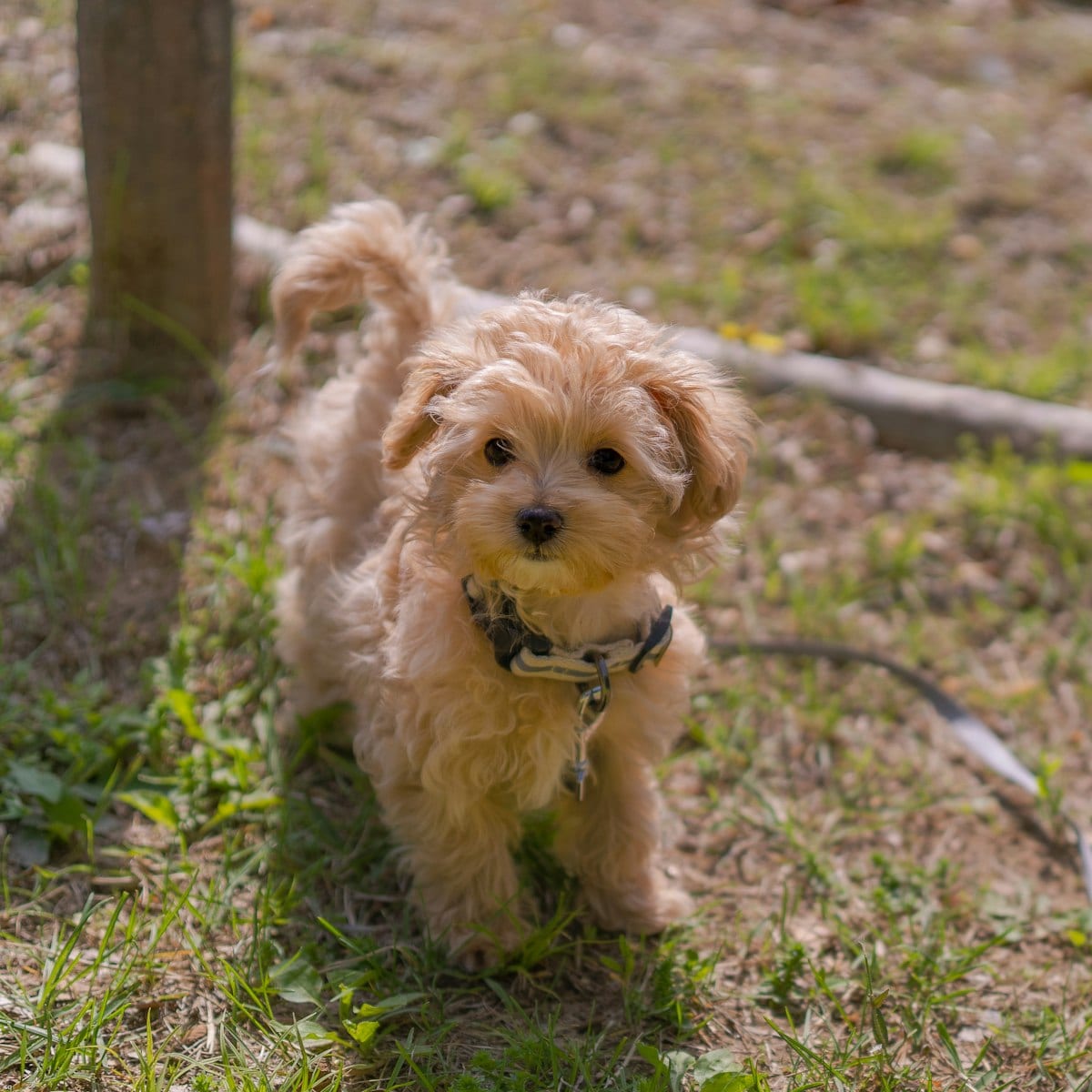
11 Hypoallergenic Dog Breeds For Allergy-Sensitive Homes
Choosing a breed that fits Matching a breed to your lifestyle matters more than choosing one based on appearance or popularity trends on social media.d in.
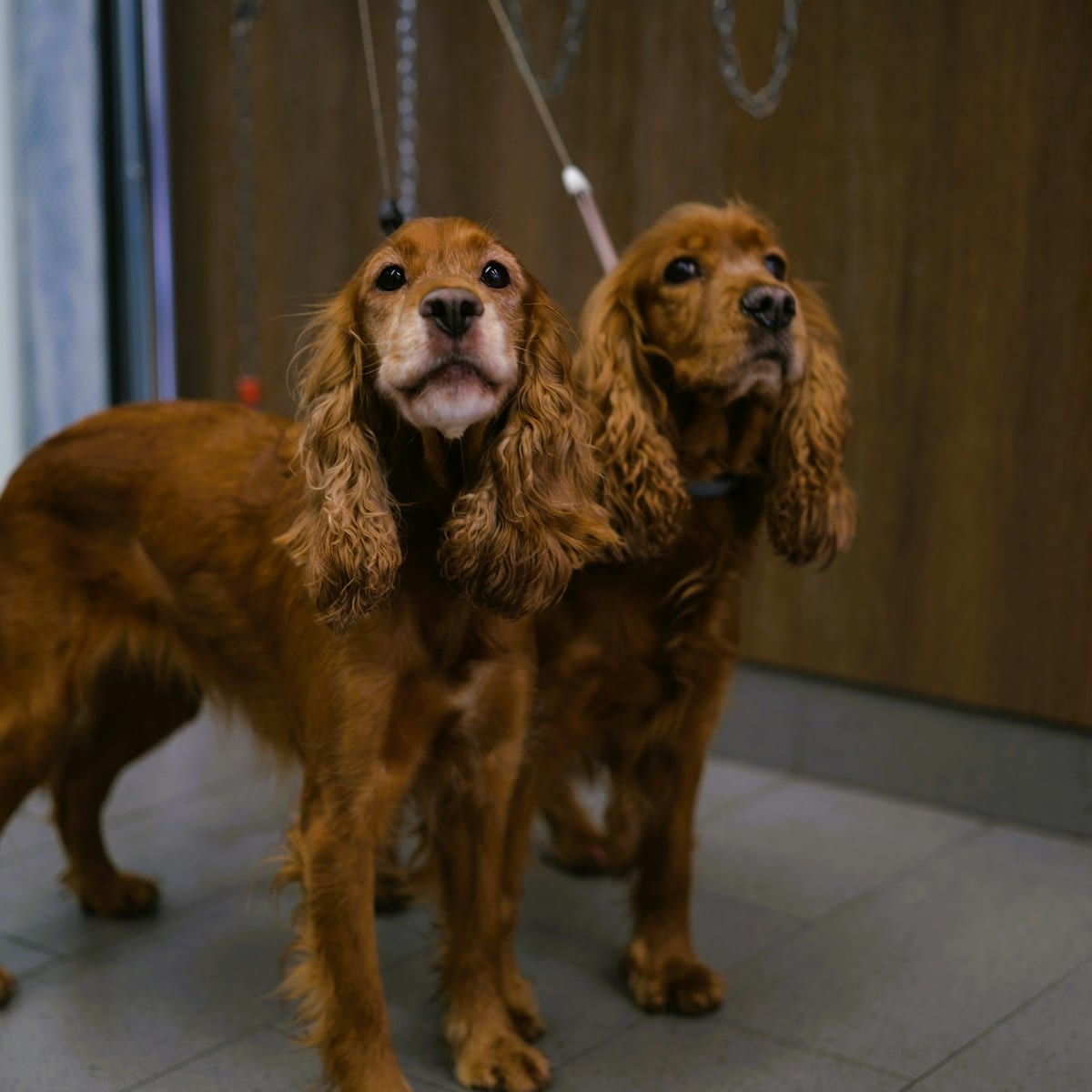
11 Playful Dog Breeds Made For Summer Fun
Breed reputation versus reality A breed reputation for friendliness or aggression does not define every dog. Individual history, training, and.
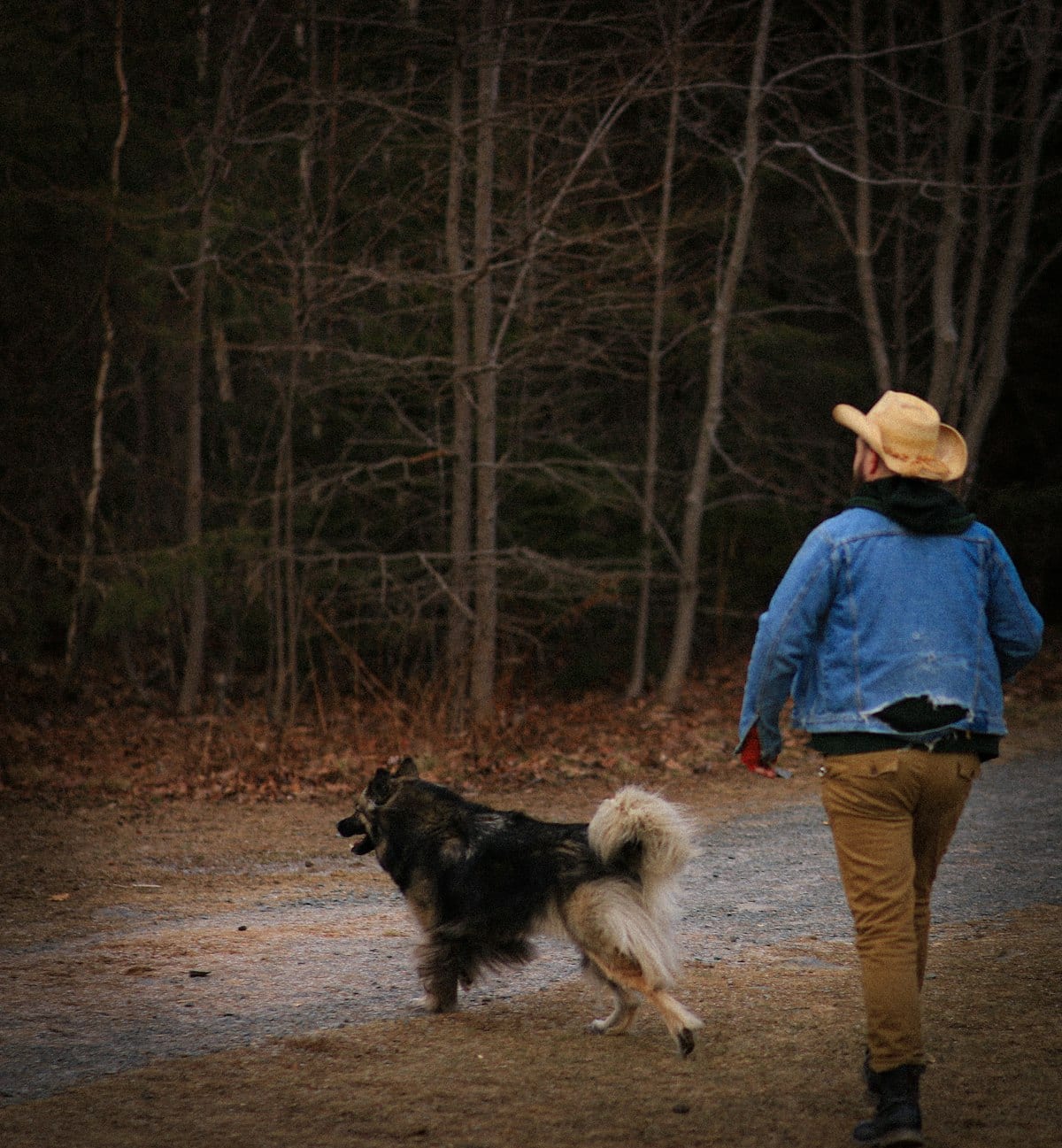
Best Dog Frisbees for 2026: 7 Picks That Fly Far and Last
Beyond breed generalizations Mixed-breed dogs combine traits from multiple lines in unpredictable ways, making breed-based assumptions even less reliable.
No comments yet.