
The Alaskan Malamute is one of the most recognizable dog breeds in the world — and for good reason. Intelligent, loyal, and hardworking, this breed has earned its place as both a trusted working dog and a beloved family companion. But like any breed, they come with specific needs that every potential owner should understand before bringing one home.
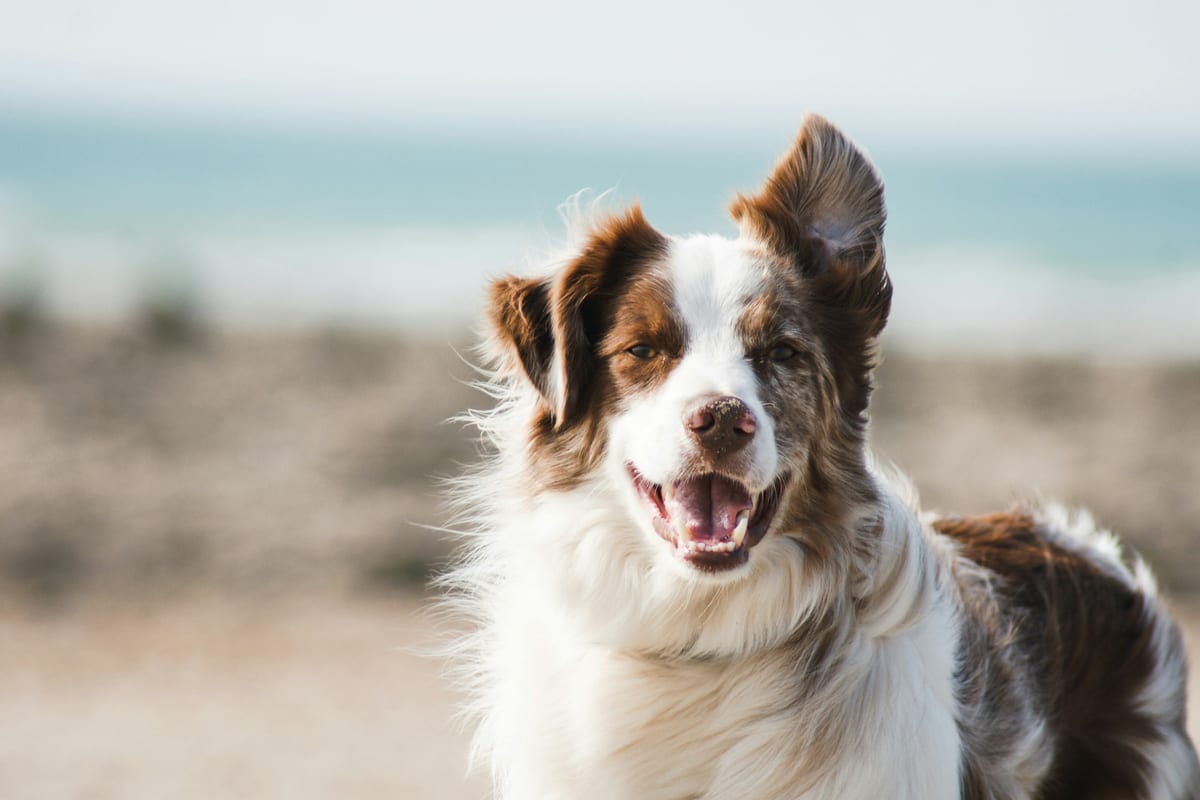
Alaskan Malamute
Overview
The Alaskan Malamute is a large, powerful, and ancient working dog breed developed by the indigenous Mahlemut people of Alaska for heavy freighting and sled pulling. Renowned for its strength, endurance, and loyal disposition, the Malamute is one of the oldest Arctic sled dog breeds. While it is a majestic and affectionate companion, its high energy levels, strong-willed nature, and significant exercise needs make it best suited for experienced owners with an active lifestyle.
History & Origin
The Alaskan Malamute traces its origins to the Mahlemut Inupiat people, who inhabited the Kotzebue Sound region of northwestern Alaska. For over 4,000 years, these indigenous people bred dogs selectively for their strength, stamina, and ability to haul heavy loads across treacherous Arctic terrain. The breed's name is derived from the Mahlemut tribe, and these dogs were essential to their survival, used for transportation, hunting, and protection.
During the 19th and early 20th centuries, Alaskan Malamutes were widely used in the Klondike Gold Rush and polar expeditions, including Admiral Richard E. Byrd's Antarctic expeditions and the 1925 serum run to Nome. The breed was officially recognized by the American Kennel Club (AKC) in 1935. Despite a decline in numbers during World War II, dedicated breeders preserved the lineage, and the Malamute remains a symbol of Arctic resilience and canine heritage.
Physical Characteristics
The Alaskan Malamute is a robust and heavily built dog, designed for power rather than speed. It possesses a broad head, erect ears, and a well-furred tail that curls over the back. The breed's most distinctive feature is its dense double coat, consisting of a coarse, waterproof outer coat and a thick, woolly undercoat that provides insulation against extreme cold.
Standard coat colors range from light gray to black, sable, and red, always with white markings on the face, chest, legs, and tail tip. The eyes are almond-shaped and brown, conveying an intelligent and friendly expression. Males typically stand 63.5 cm (25 in) tall and weigh 38 kg (84 lbs), while females are slightly smaller at 58 cm (23 in) and 34 kg (75 lbs). The Malamute's deep chest, muscular shoulders, and powerful hindquarters enable it to pull heavy sleds over long distances.
Temperament & Personality
The Alaskan Malamute is known for its loyal, affectionate, and playful nature, but it also exhibits a strong independent streak. Bred to work in packs with minimal human intervention, the Malamute is intelligent and capable of making its own decisions, which can translate into stubbornness during training. This breed is generally good with families and children, showing patience and gentleness when properly socialized. However, it may not tolerate rough handling from very young children.
Malamutes are typically friendly toward people, including strangers, but they can be territorial with other dogs, particularly same-sex individuals, due to their pack-oriented history. They possess a high prey drive and may chase small animals such as cats or squirrels unless raised with them from puppyhood. Early socialization and consistent, positive reinforcement training are essential to manage these traits.
Care & Maintenance
Exercise Requirements
The Alaskan Malamute is a high-energy breed that requires substantial daily exercise to maintain physical and mental health. A minimum of 60 to 90 minutes of vigorous activity per day is recommended, including brisk walks, jogging, hiking, or pulling activities such as sledding or carting. Without adequate exercise, Malamutes can become destructive, developing behaviors such as digging, chewing, or excessive barking. They thrive in homes with securely fenced yards and active owners who can provide structured outlets for their energy.
Grooming Needs
The Malamute's thick double coat demands regular grooming to manage heavy shedding. During seasonal "blowouts" in spring and fall, daily brushing with an undercoat rake or slicker brush is necessary to remove loose fur and prevent matting. Year-round, weekly brushing suffices. Bathing should be infrequent to preserve natural coat oils. Nail trimming, ear cleaning, and dental care are standard maintenance tasks. Professional grooming may be required during heavy shedding periods.
Training
Training an Alaskan Malamute requires patience, consistency, and a firm but positive approach. This breed is highly intelligent but independent, often testing boundaries. Early socialization with people, other dogs, and various environments is crucial. Obedience training should begin in puppyhood, focusing on basic commands and leash manners. Malamutes respond best to reward-based methods using treats, praise, or play, as harsh corrections can lead to resistance. They are not recommended for first-time dog owners due to their challenging nature.
Health
The Alaskan Malamute is generally a healthy breed, but it is predisposed to certain genetic conditions. Common health issues include hip dysplasia, elbow dysplasia, and progressive retinal atrophy (PRA), a degenerative eye disease. Hypothyroidism and bloat (gastric dilatation-volvulus) are also concerns. Responsible breeders perform health screenings, including hip and elbow evaluations, eye examinations, and thyroid tests. The average lifespan is 10 to 14 years, and maintaining a healthy weight, regular veterinary care, and appropriate exercise can promote longevity.
Living Conditions
The Alaskan Malamute is not well-suited for apartment living due to its large size, high energy, and need for space. An ideal home includes a securely fenced yard where the dog can roam and play. Malamutes are known diggers and escape artists, so fencing must be sturdy and buried at the base. They thrive in cooler climates and may struggle in hot, humid environments; owners must provide shade, fresh water, and air-conditioned indoor spaces during warm weather. This breed is best suited for active individuals or families with experience handling large, strong-willed dogs.
Conclusion
The Alaskan Malamute is a magnificent and ancient breed that embodies strength, loyalty, and endurance. Its rich history as a working dog in the Arctic underscores its remarkable capabilities and independent nature. While the Malamute can be a devoted and affectionate family companion, its high exercise demands, grooming needs, and strong will require a dedicated owner who can provide leadership and ample activity. For those prepared to meet these challenges, the Alaskan Malamute offers a rewarding and lasting bond.
References
Based on standards from the American Kennel Club (AKC), the United Kennel Club (UKC), and the Alaskan Malamute Club of America. Additional information from veterinary and breed-specific resources.
Common questions
Is alaskan malamute facts good for first-time owners?
It depends on exercise needs, grooming load, and your daily schedule. Meet adult dogs of the breed before deciding.
How much exercise does alaskan malamute facts usually need?
Look at working history, not just size. Under-exercised dogs often bark, chew, or struggle with training regardless of breed label.
What ongoing costs should I expect with alaskan malamute facts?
Budget for grooming, training, preventive vet care, and quality food—these often exceed the purchase price over the dog’s life.
More in Dog Breeds

13 All-American Dog Breeds Born In The USA
Health considerations by breed Breed-specific health screenings exist for good reason. Researching common conditions before choosing a breeder can prevent.
11 Hypoallergenic Dog Breeds For Allergy-Sensitive Homes
Choosing a breed that fits Matching a breed to your lifestyle matters more than choosing one based on appearance or popularity trends on social media.d in.
11 Playful Dog Breeds Made For Summer Fun
Breed reputation versus reality A breed reputation for friendliness or aggression does not define every dog. Individual history, training, and.
Best Dog Frisbees for 2026: 7 Picks That Fly Far and Last
Beyond breed generalizations Mixed-breed dogs combine traits from multiple lines in unpredictable ways, making breed-based assumptions even less reliable.
No comments yet.