
If you're drawn to the Irish Water Spaniel, you're not alone. This breed consistently ranks among the most popular dogs worldwide, admired for their intelligence, versatility, and deep bond with their owners. But popularity doesn't mean they're the right fit for every household. Here's what you need to know before making the commitment.
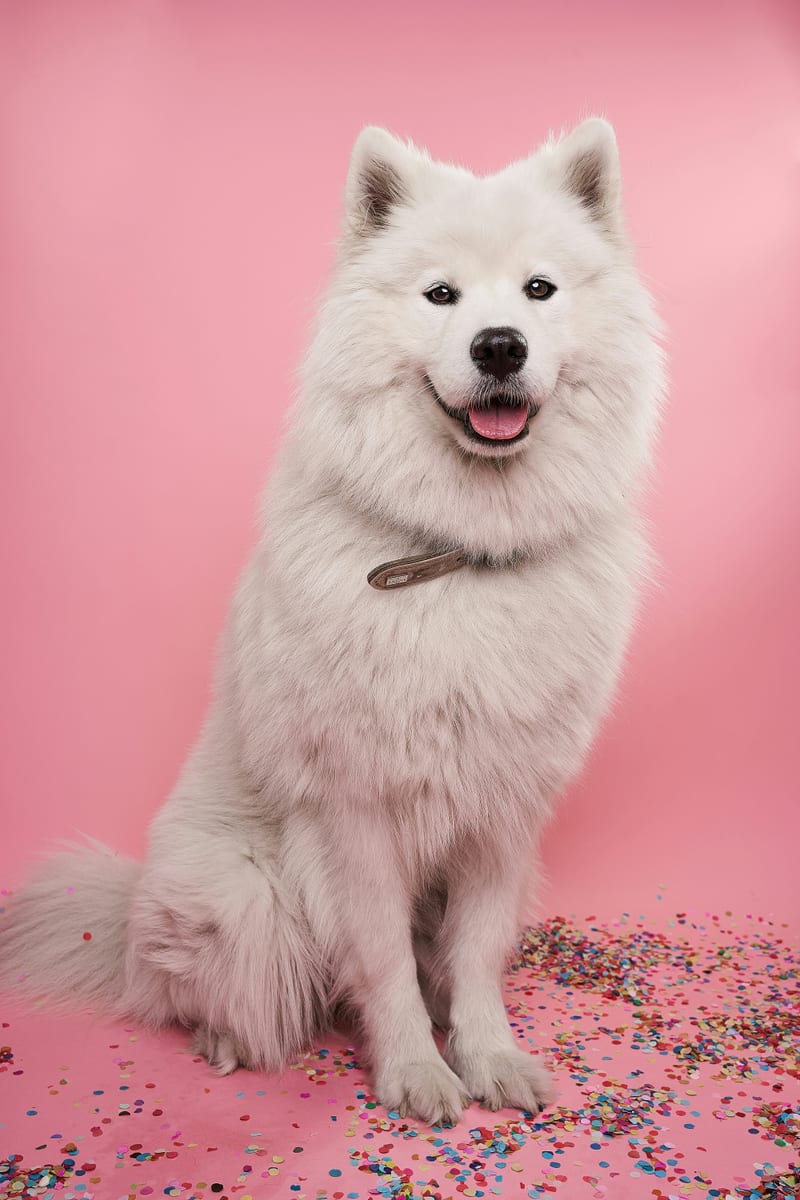
Irish Water Spaniel
Overview
The Irish Water Spaniel is a large, robust, and highly distinctive sporting breed, recognized as one of the oldest and largest of the spaniel breeds. Known for its unique appearance, characterized by a dense coat of tight, liver-colored curls and a characteristic "rat-like" tail, this breed was developed primarily as a water retriever and upland game hunter. The Irish Water Spaniel is celebrated for its intelligence, endurance, and exceptional swimming ability, making it a versatile and dedicated working dog. Beyond its working capabilities, the breed is known for a playful, energetic, and sometimes clownish personality, combined with a loyal and protective nature toward its family.
History & Origin
The Irish Water Spaniel is an ancient breed with a history that is both rich and somewhat mysterious. Its exact origins are debated, but it is widely believed to have descended from a combination of native Irish water dogs, possibly including the now-extinct "Irish Spaniel" or "Shannon Spaniel," and other water-retrieving breeds brought to Ireland by traders and travelers. Some theories suggest a lineage shared with the Portuguese Water Dog or the Poodle, given the similar curly coat and working aptitude. The breed was refined in Ireland during the 19th century, with particular contributions from breeders like Justin McCarthy of Dublin, who is credited with standardizing the modern type. By the late 1800s, the Irish Water Spaniel was a prominent fixture in field trials and hunting expeditions, prized for its ability to work in cold, treacherous waters. The breed was officially recognized by the American Kennel Club (AKC) in 1884 and by the Kennel Club (UK) shortly thereafter, solidifying its status as a distinct and valued breed.
Physical Characteristics
The Irish Water Spaniel is a large, well-proportioned, and muscular dog, exuding an air of strength and agility. Its most distinctive feature is its dense, water-repellent coat, composed of tight, crisp curls that cover the entire body except for the face and the lower part of the legs, which are smooth and short. The coat color is a solid, rich liver (a deep reddish-brown), sometimes with a purplish tint. The head is large and domed, with a long, square muzzle and a prominent topknot of long, loose curls that fall forward between the eyes. The eyes are small, almond-shaped, and dark hazel to dark brown, giving an intelligent and keen expression. The ears are long, lobular, and set low, hanging close to the head and covered with long curls. The tail is a hallmark of the breed: thick at the base, tapering to a fine point, and covered in short, smooth hair, giving it a "rat-like" appearance. The breed stands 53–61 cm (21–24 in) at the withers and weighs 20–30 kg (45–65 lbs), with males typically larger than females. The overall impression is one of power, endurance, and elegance.
Temperament & Personality
The Irish Water Spaniel is a breed of contrasts: intelligent and eager to please, yet independent and sometimes stubborn; playful and clownish with family, yet reserved and aloof with strangers. They are highly energetic and require substantial mental and physical stimulation. With their family, they are affectionate, loyal, and protective, often forming strong bonds with one or two individuals. They can be excellent with children, especially when raised with them, though their boisterous nature may be too much for very young toddlers. Early and consistent socialization is crucial to prevent shyness or wariness toward unfamiliar people and situations. With other pets, they can be territorial and may exhibit dominance, particularly with other dogs of the same sex. Their strong prey drive can make them unsuitable for homes with small animals like cats or rodents unless raised together from puppyhood. Overall, the breed is best suited for experienced owners who can provide firm, positive training and a structured environment.
Care & Maintenance
Exercise Requirements
The Irish Water Spaniel is a high-energy working breed that demands significant daily exercise. A minimum of one to two hours of vigorous activity is essential, including long walks, runs, swimming, or off-leash play in a secure area. They excel at retrieving games and dog sports such as agility, obedience, and dock diving. Without adequate exercise, they can become destructive, anxious, or develop behavioral issues. Access to water for swimming is highly beneficial, as it satisfies their natural instincts and provides excellent low-impact exercise.
Grooming Needs
The breed's distinctive curly coat requires consistent and dedicated grooming to prevent matting and tangling. Brushing should be performed at least two to three times per week using a slicker brush and a wide-toothed comb, taking care to work through the dense curls. Professional grooming every six to eight weeks is recommended for trimming and maintaining the coat's shape. The smooth face and lower legs need minimal attention. Bathing should be done every few months or as needed, using a mild dog shampoo. The ears must be checked and cleaned regularly to prevent infections, as the long, pendant ears can trap moisture. Nail trimming and dental care should be part of the routine.
Training
Training an Irish Water Spaniel requires patience, consistency, and a positive reinforcement approach. They are highly intelligent but can be independent and strong-willed, responding poorly to harsh or repetitive methods. Early socialization is critical to develop a well-adjusted adult dog. They excel in activities that engage their mind and body, such as retrieving, tracking, and advanced obedience. Their natural retrieving instinct makes them easy to train for hunting and field work. Owners should be prepared for a dog that may test boundaries and require a firm, confident leader. Positive techniques, including treats, praise, and play, yield the best results.
Health
The Irish Water Spaniel is generally a healthy breed, but like all purebred dogs, it is predisposed to certain genetic conditions. Common health issues include hip dysplasia, a malformation of the hip joint that can lead to arthritis; elbow dysplasia; and progressive retinal atrophy (PRA), an eye disorder that can cause blindness. Other concerns include hypothyroidism, epilepsy, and certain skin conditions such as seborrhea. Responsible breeders conduct health screenings, including hip and elbow evaluations, eye examinations, and DNA tests for PRA. The average lifespan is 10 to 12 years. Regular veterinary check-ups and a healthy diet are essential for maintaining overall well-being.
Living Conditions
The Irish Water Spaniel is not well-suited for apartment living due to its high energy levels and need for space. It thrives in a home with a securely fenced yard where it can run and play freely. Access to water, such as a lake, river, or pool, is highly advantageous. The breed can adapt to various climates but prefers cooler temperatures due to its dense coat. It is best suited for active individuals or families who can dedicate time to exercise, training, and companionship. The breed does not tolerate being left alone for long periods and may develop separation anxiety.
Conclusion
The Irish Water Spaniel is a unique, intelligent, and highly capable breed that excels as both a working retriever and a devoted companion. Its distinctive appearance, high energy, and strong-willed personality require an experienced owner committed to providing ample exercise, consistent training, and dedicated grooming. While not a breed for everyone, those who appreciate its spirited nature and versatility will find a loyal, entertaining, and remarkable canine partner. Its rich history as a premier waterfowl retriever and its status as a rare and distinctive breed make it a treasured part of the canine world.
References
Based on standards from major kennel clubs and breed organizations, including the American Kennel Club (AKC), the Kennel Club (UK), and the Irish Water Spaniel Club of America.
Common questions
Is thinking about a irish water spaniel? here's what you need to know good for first-time owners?
It depends on exercise needs, grooming load, and your daily schedule. Meet adult dogs of the breed before deciding.
How much exercise does thinking about a irish water spaniel? here's what you need to know usually need?
Look at working history, not just size. Under-exercised dogs often bark, chew, or struggle with training regardless of breed label.
What ongoing costs should I expect with thinking about a irish water spaniel? here's what you need to know?
Budget for grooming, training, preventive vet care, and quality food—these often exceed the purchase price over the dog’s life.
More in Dog Breeds
13 All-American Dog Breeds Born In The USA
Health considerations by breed Breed-specific health screenings exist for good reason. Researching common conditions before choosing a breeder can prevent.

11 Hypoallergenic Dog Breeds For Allergy-Sensitive Homes
Choosing a breed that fits Matching a breed to your lifestyle matters more than choosing one based on appearance or popularity trends on social media.d in.

11 Playful Dog Breeds Made For Summer Fun
Breed reputation versus reality A breed reputation for friendliness or aggression does not define every dog. Individual history, training, and.
Best Dog Frisbees for 2026: 7 Picks That Fly Far and Last
Beyond breed generalizations Mixed-breed dogs combine traits from multiple lines in unpredictable ways, making breed-based assumptions even less reliable.
No comments yet.