
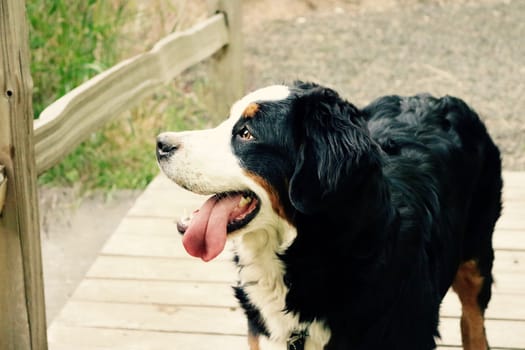
Shiba Inu - Complete Breed Guide is best understood through temperament, daily exercise needs, and grooming load.
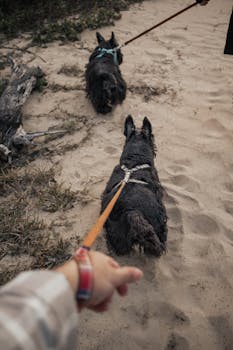
Shiba Inu
At a Glance
- Origin: Japan
- Size: Small to medium
- Height: 33–43 cm (13–17 in)
- Weight: 8–11 kg (17–24 lbs)
- Lifespan: 13–16 years
- Coat: Double coat, stiff outer hair
- Shedding: Heavy seasonally
Temperament
Shibas are independent, clean, and cat-like in habits. They are loyal but not always overtly cuddly.
Strong prey drive and recall challenges mean secure fencing and leashes are essential.
Socialization during the first four months shapes how confidently the dog handles new people, sounds, and surfaces later in life.
Even friendly breeds benefit from clear boundaries—jumping, mouthing, and demand barking are training issues, not personality flaws.
Exercise and grooming
Daily walks and safe enrichment are required. Expect heavy shedding twice yearly.
Early socialization reduces aloofness or dog-selective behavior.
Mental enrichment counts as exercise: food puzzles, scent games, and short training sessions can tire a dog when weather limits walks.
Watch weight and joint stress; overweight dogs feel hotter, move less comfortably, and recover more slowly from minor injuries.
Household fit
Best for experienced owners comfortable with a less biddable breed.
Not ideal for off-leash parks; secure yards and patient training matter.
Renters should confirm pet policies, size limits, and breed restrictions before committing.
Households with toddlers need supervision plans—no breed is automatically safe with children without guidance and management.
Exercise planning
Schedule aerobic work plus training games. Off-leash time should happen only where recall and local laws allow.
Match daily exercise and mental work to the breed's working history; bored dogs often develop destructive habits regardless of size.
Families considering this breed should visit adults in real homes, not only photos, to understand size, coat care, and noise level.
Heat and cold tolerance vary by coat type—adjust walk timing seasonally.
Families considering this breed should visit adults in real homes, not only photos, to understand size, coat care, and noise level.
Budget for routine grooming, training classes, and preventive vet care—these costs often exceed purchase price over the dog's life.
Grooming routine
Brush before baths to reduce matting. Use dog-formulated shampoo and dry ears carefully after swimming.
Families considering this breed should visit adults in real homes, not only photos, to understand size, coat care, and noise level.
Budget for routine grooming, training classes, and preventive vet care—these costs often exceed purchase price over the dog's life.
Nail, dental, and ear care should start young so adult handling stays easy.
Budget for routine grooming, training classes, and preventive vet care—these costs often exceed purchase price over the dog's life.
Match daily exercise and mental work to the breed's working history; bored dogs often develop destructive habits regardless of size.
Training and social needs
Enroll in puppy or basic manners classes even if the breed seems "easy." Consistency prevents problem habits.
Budget for routine grooming, training classes, and preventive vet care—these costs often exceed purchase price over the dog's life.
Match daily exercise and mental work to the breed's working history; bored dogs often develop destructive habits regardless of size.
Teach a reliable recall early if the breed has prey drive or independence.
Match daily exercise and mental work to the breed's working history; bored dogs often develop destructive habits regardless of size.
Families considering this breed should visit adults in real homes, not only photos, to understand size, coat care, and noise level.
Health screening questions
Ask breeders or rescues about parent tests relevant to the breed—hips, eyes, hearts, or genetic panels vary.
Match daily exercise and mental work to the breed's working history; bored dogs often develop destructive habits regardless of size.
Families considering this breed should visit adults in real homes, not only photos, to understand size, coat care, and noise level.
Pet insurance or an emergency fund helps with unexpected specialist visits.
Families considering this breed should visit adults in real homes, not only photos, to understand size, coat care, and noise level.
Budget for routine grooming, training classes, and preventive vet care—these costs often exceed purchase price over the dog's life.
Quick troubleshooting
Shiba Inu works best when your whole household follows the same rules and reward timing.
Families considering this breed should visit adults in real homes, not only photos, to understand size, coat care, and noise level.
Budget for routine grooming, training classes, and preventive vet care—these costs often exceed purchase price over the dog's life.
Revisit basics whenever progress stalls—small resets prevent weeks of frustration.
Budget for routine grooming, training classes, and preventive vet care—these costs often exceed purchase price over the dog's life.
Match daily exercise and mental work to the breed's working history; bored dogs often develop destructive habits regardless of size.
Before you change course
Shiba Inu works best when your whole household follows the same rules and reward timing.
Budget for routine grooming, training classes, and preventive vet care—these costs often exceed purchase price over the dog's life.
Match daily exercise and mental work to the breed's working history; bored dogs often develop destructive habits regardless of size.
Revisit basics whenever progress stalls—small resets prevent weeks of frustration.
Match daily exercise and mental work to the breed's working history; bored dogs often develop destructive habits regardless of size.
Families considering this breed should visit adults in real homes, not only photos, to understand size, coat care, and noise level.
Putting it together at home
Shiba Inu works best when your whole household follows the same rules and reward timing.
Match daily exercise and mental work to the breed's working history; bored dogs often develop destructive habits regardless of size.
Families considering this breed should visit adults in real homes, not only photos, to understand size, coat care, and noise level.
Revisit basics whenever progress stalls—small resets prevent weeks of frustration.
Families considering this breed should visit adults in real homes, not only photos, to understand size, coat care, and noise level.
Budget for routine grooming, training classes, and preventive vet care—these costs often exceed purchase price over the dog's life.



No comments yet. Be the first to share your thoughts.