
Pekingese - Complete Breed Guide becomes a great match when expectations on activity, coat care, and socialization are realistic.
Pekingese
At a Glance
- Origin: China
- Size: Small
- Height: 15–23 cm (6–9 in)
- Weight: 3.2–6.4 kg (7–14 lbs)
- Lifespan: 12–15 years
- Coat: Long, straight, and coarse double coat; colors include gold, red, sable, black, white, and parti-color
- Shedding: High
- Hypoallergenic: No
Overview
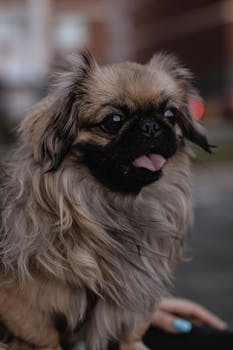
The Pekingese is an ancient toy breed originating in China, renowned for its regal bearing, distinctive flat face, and abundant, flowing coat. Bred for centuries as a companion to Chinese royalty, this breed embodies a dignified and independent temperament. Despite its small stature, the Pekingese possesses a confident and sometimes stubborn personality, making it a unique and loyal companion for dedicated owners. Its lion-like appearance and proud gait reflect its historical status as a sacred dog in imperial courts.
History & Origin
The Pekingese has a long and storied history that dates back over 2,000 years to ancient China. The breed is named after Peking (now Beijing), the capital city where it was developed and exclusively kept within the Imperial Palace. According to Chinese legend, the Pekingese was created by the Buddha, who shrunk a lion down to the size of a small dog, retaining its noble heart and majestic mane. In reality, the breed was selectively bred by eunuchs and palace officials as a cherished companion for emperors, empresses, and nobles.
Pekingese were considered sacred and were not allowed to be owned by commoners; theft of a Pekingese was punishable by death. The dogs were often carried in the wide sleeves of imperial robes and were treated with great reverence. During the Second Opium War in 1860, British forces looted the Imperial Summer Palace in Peking and discovered several Pekingese. Five of these dogs were brought to England, where they were presented to Queen Victoria and other members of the British aristocracy. This marked the beginning of the breed's introduction to the Western world. The Pekingese was officially recognized by the Kennel Club in the United Kingdom in 1898 and by the American Kennel Club (AKC) in 1906.
Physical Characteristics
The Pekingese is a small, compact, and well-balanced dog with a distinctively regal appearance. Its most notable feature is the flat, broad face with a short, wrinkled muzzle and large, dark, expressive eyes that are set wide apart. The nose is black and flat, and the ears are heart-shaped, feathered, and carried close to the head. The breed has a heavy, muscular body with a broad chest and a level topline. The tail is set high, carried over the back with a profuse plume of hair.
The double coat is long, straight, and coarse, with a thick, soft undercoat. The outer coat forms a luxurious mane around the neck and shoulders, giving the breed its characteristic lion-like appearance. Coat colors include gold, red, sable, black, white, cream, and parti-color (combinations of white with other colors). The Pekingese has a distinctive rolling gait due to its bow-legged forelimbs and well-angulated hindquarters. The breed's size is typically 15 to 23 cm (6 to 9 in) in height at the shoulder, with weight ranging from 3.2 to 6.4 kg (7 to 14 lbs).
Temperament & Personality
The Pekingese is known for its independent, dignified, and sometimes aloof temperament. Bred as a companion to royalty, it often exhibits a self-important and confident demeanor. The breed is fiercely loyal to its family and can be affectionate with those it trusts, but it is often reserved or wary of strangers. Pekingese are not typically outgoing or eager to please; they possess a stubborn streak that can make training challenging.
Pekingese are generally good with older, respectful children, but they may not tolerate rough handling or boisterous play. They can coexist with other pets if properly socialized from an early age, but their dominant nature may lead to conflicts with other dogs. The breed is known for its alertness and will bark to announce visitors, making it a fair watch dog. However, its small size and low energy level mean it is not suited for protection work. Pekingese thrive in calm, predictable environments and can become stressed in chaotic households. Their personality is best described as cat-like: independent, selective in affection, and often preferring quiet companionship over active play.
Care & Maintenance
Exercise Requirements
The Pekingese has low to moderate exercise needs. Daily short walks and indoor play sessions are generally sufficient to keep the breed healthy and content. Due to its brachycephalic (flat-faced) structure, the Pekingese is prone to overheating and respiratory distress, so exercise should be limited during hot or humid weather. Strenuous activity is not recommended. The breed enjoys leisurely strolls and is well-suited for apartment living, provided it has opportunities to stretch its legs. Mental stimulation through puzzle toys or basic training can help prevent boredom.
Grooming Needs
The Pekingese requires extensive grooming to maintain its luxurious coat. Daily brushing is essential to prevent mats and tangles, particularly in the mane, feathering on the legs, and tail. A slicker brush and metal comb are recommended tools. The coat should be bathed every three to four weeks, with careful drying to avoid skin infections. The facial wrinkles must be cleaned regularly to prevent moisture buildup and bacterial growth. Nails should be trimmed monthly, and ears checked weekly for debris. Many owners opt for professional grooming every six to eight weeks to keep the coat in optimal condition. During shedding seasons, which occur twice a year, brushing frequency should increase to manage heavy hair loss.
Training
Training a Pekingese requires patience, consistency, and positive reinforcement methods. The breed's independent and stubborn nature can make obedience training challenging. Harsh corrections or forceful techniques are counterproductive and may lead to resistance. Short, engaging sessions with food rewards or praise yield the best results. Early socialization is crucial to prevent shyness or aggression toward strangers and other animals. The Pekingese can be difficult to housebreak, and crate training is often recommended. Owners should set clear boundaries and remain firm yet gentle. Due to the breed's intelligence, it can learn commands, but it may choose to ignore them if not motivated.
Health
The Pekingese is generally a healthy breed, but it is predisposed to several genetic and conformational health issues. As a brachycephalic breed, it commonly suffers from Brachycephalic Obstructive Airway Syndrome (BOAS), which can cause breathing difficulties, snoring, and heat intolerance. Eye problems are prevalent, including proptosis (displacement of the eyeball), corneal ulcers, dry eye (keratoconjunctivitis sicca), and entropion (inward rolling of the eyelid). The breed is also prone to intervertebral disc disease (IVDD) due to its long back and short legs, leading to back pain or paralysis.
Other health concerns include patellar luxation (dislocation of the kneecap), hip dysplasia, and skin allergies. Pekingese are sensitive to anesthesia due to their respiratory anatomy. Responsible breeders screen for health conditions such as eye disorders, heart disease, and patellar luxation. The average lifespan is 12 to 15 years. Regular veterinary check-ups, a balanced diet, and weight management are essential to minimize health risks. Owners should be cautious with exercise and avoid activities that strain the back or neck.
Living Conditions
The Pekingese is an ideal breed for apartment living and homes with limited space. Its low energy level and small size make it well-suited for indoor environments. The breed does not require a yard, but access to a secure, shaded area for short play sessions is beneficial. Pekingese are sensitive to extreme temperatures; they are prone to overheating in hot climates and may need protection from cold due to their short faces and coat (though the heavy coat offers some insulation). They prefer a calm, quiet household and may not thrive in homes with very young children or high levels of activity. The breed adapts well to single-person households, seniors, and families with older children who understand respectful handling. Due to their independent nature, Pekingese can tolerate being left alone for moderate periods but should not be isolated for extended hours.
Interesting Facts
- The Pekingese is one of the oldest dog breeds in the world, with a lineage that can be traced back over 2,000 years in China.
- The breed is also known as the "Foo Dog" or "Lion Dog" in Chinese culture, symbolizing courage and nobility.
- In ancient China, Pekingese were believed to bring good luck and were often buried with their owners to accompany them in the afterlife.
- The Pekingese was one of the first breeds to be exhibited at the Westminster Kennel Club Dog Show in the United States, first appearing in 1877.
- Due to their flat faces, Pekingese are prone to snoring, snorting, and reverse sneezing, which are common in brachycephalic breeds.
Conclusion
The Pekingese is a distinctive and historically significant breed that offers unique companionship to those who appreciate its regal independence and dignified charm. While its high grooming requirements, potential health issues, and stubborn temperament may pose challenges for inexperienced owners, the breed's loyalty and affectionate nature make it a rewarding pet for the right household. Prospective owners should be prepared for a long-term commitment to grooming, health management, and patient training. The Pekingese remains a living symbol of ancient Chinese royalty, embodying grace and pride in a small, portable package.
References
Based on standards from major kennel clubs and breed organizations, including the American Kennel Club (AKC), The Kennel Club (UK), and the Fédération Cynologique Internationale (FCI). Additional information sourced from breed-specific literature and veterinary resources on brachycephalic breeds.


No comments yet. Be the first to share your thoughts.