
The Day My Dog Ate Half a Jar of Peanut Butter
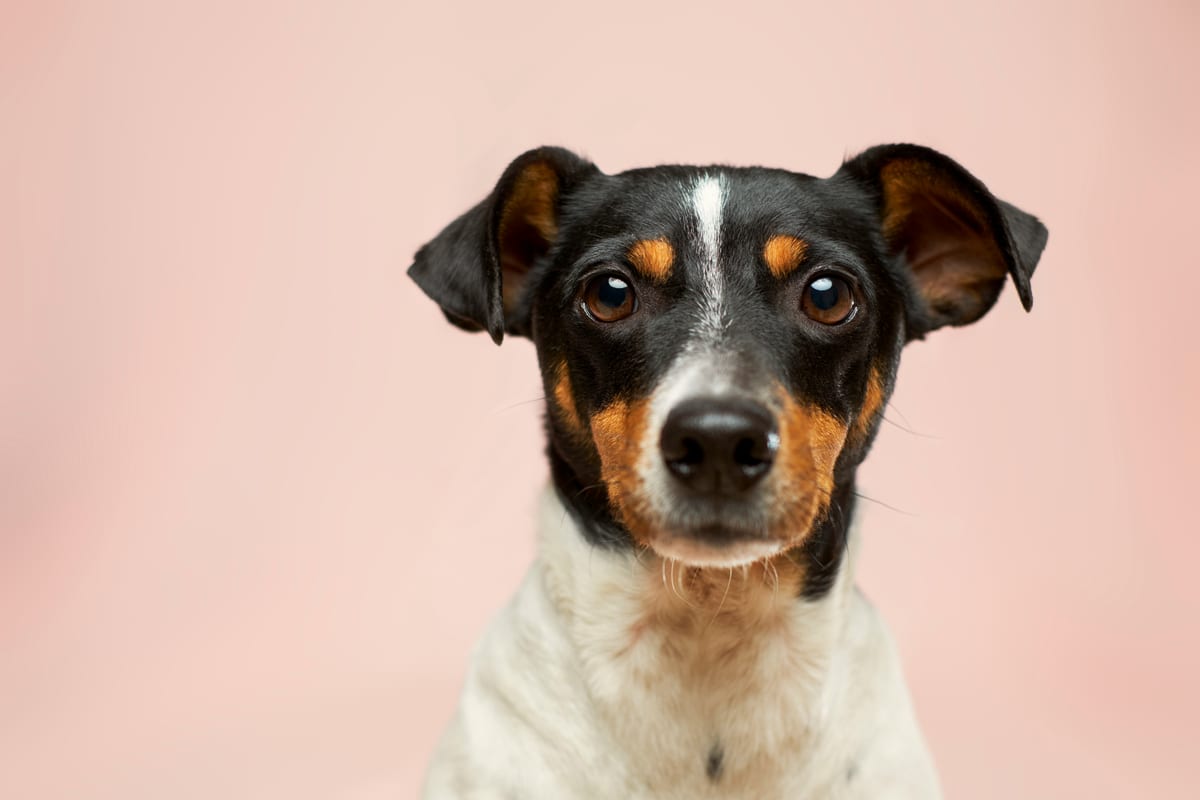
I'd barely turned my back for two minutes. I was on the phone, walked out of the kitchen to grab my laptop charger, and when I came back, there was Skippy (the dog, not the peanut butter brand) with his entire face buried in a one-pound jar. The lid was on the floor, rolled under the table. He had peanut butter on his nose, his ears, the counter, and—based on the paw prints—the living room rug. He looked up at me with that particular expression dogs have that says "I know I did something wrong, but it was totally worth it."
That was my crash course in "everything you need to know about peanut butter and dogs." I spent the next hour on the phone with the vet, checking the label for xylitol, monitoring for symptoms, and feeling like a terrible dog owner. The good news: it was a xylitol-free brand, and Skippy was fine after a night of mild digestive upset. The better news: I learned everything I'm about to share with you so you don't have to learn it the hard way.
The Xylitol Problem: Why This Ingredient Is Non-Negotiable
Xylitol is a sugar alcohol used as a sweetener in "sugar-free" and "reduced sugar" products. For humans, it's perfectly safe—it's actually recommended for dental health because it inhibits bacterial growth in the mouth. For dogs, it's a different story entirely.
When a dog eats xylitol, their body absorbs it rapidly into the bloodstream. The pancreas mistakes xylitol for real sugar and releases a massive surge of insulin. This causes blood sugar levels to plummet dangerously low—a condition called hypoglycemia. In severe cases, xylitol can also cause liver failure.
The timeline is scary: symptoms can appear within 30 to 60 minutes of ingestion. They include:
- Vomiting
- Weakness and lethargy
- Wobbly gait or stumbling (ataxia)
- Disorientation
- Seizures
- Collapse
How much xylitol is dangerous? A dose of just 0.1 grams per kilogram of body weight can cause hypoglycemia. For a 20-pound dog (about 9 kilograms), that's less than one gram of xylitol—roughly the amount in a single piece of sugar-free gum. Higher doses—over 0.5 grams per kilogram—can cause liver failure.
Here's the thing that catches people off guard: xylitol isn't just in peanut butter. It's in:
- Many brands of almond butter and other nut butters
- Sugar-free gum and mints
- Some brands of protein bars and protein powders
- Certain brands of yogurt and pudding
- Baked goods labeled "sugar-free" or "low sugar"
- Some peanut butters that don't advertise as "sugar-free" but use xylitol as a sweetener
- Some brands of liquid medications and mouthwashes
- Certain brands of children's vitamins and gummy supplements
And here's the worst part: formulations change. A brand that was xylitol-free last year might have added it. A "natural" peanut butter brand might be safe for years and then quietly reformulate. I check labels every single time I buy a new jar. It takes 10 seconds and it's the most important habit you can develop if you share peanut butter with your dog.
Safe peanut butter brands (as of writing, but check labels): Jif (original), Skippy (original), Peter Pan, Justin's Classic, Smucker's Natural. I rotate between these and always double-check.
What to do if your dog eats xylitol peanut butter: This is a veterinary emergency. Do not wait for symptoms. Go to the nearest emergency animal hospital immediately. If it's been less than two hours, the vet may induce vomiting. They can also administer intravenous fluids with dextrose to stabilize blood sugar. Time is critical—the faster your dog gets treatment, the better the outcome.
I keep the ASPCA Animal Poison Control Center number saved in my phone: (888) 426-4435. There's a consultation fee (about $85), but when you're panicking at 2 AM wondering if your dog is going to be okay, it's worth every penny.
Peanut Butter Ingredients: Reading Beyond Xylitol
Even if a peanut butter is xylitol-free, not all jars are created equal for dogs. Here's what else to look for on the label:
Sugar and sweeteners. Many commercial peanut butters add sugar, corn syrup, molasses, honey, or maple syrup. Dogs don't need these. They add empty calories and contribute to weight gain and dental problems. If your peanut butter has added sugar, your dog should get less of it (or choose a no-sugar-added version).
Salt. Salted peanut butter typically contains 100 to 150 milligrams of sodium per serving. For a 30-pound dog who needs about 300 milligrams of sodium per day total, one tablespoon of salted peanut butter provides roughly a third of their daily needs. Add their regular food (which has its own sodium) and any other treats, and it adds up quickly. Unsalted peanut butter is better for dogs, especially those with heart conditions, kidney issues, or high blood pressure.
Palm oil. The "no-stir" peanut butters (Jif Natural, Skippy Natural, and others) contain palm oil to prevent oil separation. Palm oil is a saturated fat that adds unnecessary calories and is processed differently than peanut oil. It's not toxic, but it's not doing your dog any favors either. The natural peanut butters that require stirring (oil on top, solid below) are better choices.
Preservatives. BHA and BHT are synthetic preservatives used to extend shelf life. They're controversial even in human food—some studies suggest they may be carcinogenic at high doses. The FDA considers them safe at the levels used in food, but I'd rather avoid them entirely when there are plenty of peanut butters without them.
Hydrogenated oils. These are trans fats, and they're bad for everyone—dogs included. They increase inflammation and are associated with heart disease in humans. A high-quality peanut butter shouldn't contain them.
The gold standard for dog peanut butter: one ingredient. Peanuts. Maybe a little salt if you're using the salted version for yourself. That's it. If the ingredients list has more than three lines, choose a different peanut butter.
How Much Peanut Butter Can a Dog Actually Have?
Peanut butter is dense in calories. One tablespoon contains about 95 calories and 8 grams of fat. For perspective, a 40-pound moderately active dog needs about 700 to 900 calories per day total. A single tablespoon of peanut butter represents roughly 10 to 14 percent of their daily calorie needs—and that's before counting their regular meals or any other treats.
Here are my tested portion guidelines:
- Toy breeds (under 10 lbs): 1/4 teaspoon, 1-2 times per week. A Chihuahua or Yorkie doesn't need more than a pea-sized dab. A full teaspoon would be like a human eating an entire chocolate bar—calorie shock.
- Small dogs (10-25 lbs): 1/2 teaspoon, 2-3 times per week. Beagles, Corgis, Frenchies in this range. That half teaspoon is about 15 calories, which fits comfortably within the 10 percent treat rule.
- Medium dogs (25-50 lbs): 1 teaspoon, 3-4 times per week. Border Collies, Australian Shepherds. A teaspoon is about 30 calories.
- Large dogs (50-80 lbs): 1 tablespoon, 2-4 times per week. Labs and Goldens—the breeds most likely to counter-surf for the peanut butter jar.
- Giant breeds (80+ lbs): 1-1.5 tablespoons, 3-4 times per week. Great Danes and Mastiffs can handle more, but I still keep it under 2 tablespoons because the fat content can cause digestive issues even in big dogs.
Important: these are maximums, not recommendations. Your dog doesn't need peanut butter to thrive. They need a balanced commercial diet. Peanut butter is a treat, a training tool, and a medication delivery system. It's not a dietary requirement.
A critical adjustment: these amounts assume your dog is at a healthy weight and getting an appropriate amount of exercise. If your dog is overweight, reduce peanut butter to the minimum needed for pill hiding or special occasions. A 10-pound overweight dog doesn't need peanut butter at all—there are better low-calorie alternatives.
The Fat Content and Pancreatitis Concern
Peanut butter is roughly 50 percent fat. That's a lot. For most dogs, a small amount of this fat is fine—their bodies can handle it. But for dogs prone to pancreatitis, that fat load can be dangerous.
Pancreatitis is inflammation of the pancreas, an organ that produces digestive enzymes and insulin. When the pancreas becomes inflamed, those digestive enzymes can start breaking down the pancreas itself. It's painful and can be life-threatening. Symptoms include vomiting, diarrhea, loss of appetite, hunched posture (from abdominal pain), and fever.
Breeds that are more susceptible to pancreatitis include:
- Miniature Schnauzers (by far the most common—they have a genetic predisposition)
- Yorkshire Terriers
- Cocker Spaniels
- Poodles
- Dachshunds
- Other small breeds, especially those prone to obesity
If your dog has had pancreatitis, even a small amount of peanut butter could trigger a recurrence. I've seen it happen. A foster Schnauzer I worked with had a mild case triggered by a single Kong with about a tablespoon of peanut butter. It took three days of veterinary care and a week of bland diet before he was back to normal.
If your dog has a history of pancreatitis, ask your vet specifically about peanut butter. Some vets will say a tiny amount is fine (think pea-sized, once a week). Others will recommend avoiding it entirely. Trust your vet's advice for your specific dog.
And here's something most articles don't mention: pancreatitis can be triggered months after the initial event. A dog who had pancreatitis in 2023 and recovered fully might have a flare-up from a high-fat treat in 2025. The pancreas remains sensitive. This isn't a one-and-done concern—it's a lifelong dietary consideration.
Creative Uses for Peanut Butter Beyond the Spoon
Most people scoop peanut butter onto a spoon and call it a treat. That's fine, but peanut butter is more versatile than most owners realize. Here are the ways I use it:
Kong Stuffing (The Essential Skill)
A Kong rubber toy is hollow, with a small hole on one end and a larger opening on the other. Smear a thin layer of peanut butter inside, add some kibble, seal the large end with more peanut butter, and freeze it. That's a 20-40 minute activity for most dogs. The freezing is important—a non-frozen Kong is empty in 5 minutes.
The layering technique that maximizes engagement:
- Plug the small hole with a dollop of peanut butter
- Add a layer of kibble
- Add a layer of plain yogurt or unsweetened applesauce
- Add a few blueberries or small training treats
- Add another kibble layer
- Seal the large end with a thick peanut butter plug
- Freeze for at least 2 hours (overnight is better)
This takes about 5 minutes to prepare and buys you significant quiet time. I make 5-6 Kongs at a time on Sunday and keep them in a freezer bag for the week. It's the cheapest, most effective enrichment tool I know.
Pill Hiding
This is the most practical use of peanut butter in a multi-dog household. A tiny dab can disguise almost any pill. Warm the peanut butter slightly between your fingers (5 seconds of rubbing), push the pill into the center, and mold it into a ball. Most dogs swallow it without noticing.
For dogs who are wise to this trick (mine learned to eat the peanut butter and spit the pill out), try this: freeze the peanut butter-pill ball for 15 minutes. The cold changes the texture enough that it's harder to separate the pill from the treat. Some dogs still figure it out—those dogs need cream cheese or pill pockets instead.
Important: if you're using peanut butter for pill administration 2-3 times per day (common for dogs on chronic medication), account for those calories in your dog's daily treat budget. Three pea-sized pill-hiding dabs per day add up to about 30-40 calories—roughly 5 percent of a medium dog's daily calories.
Lick Mats for Calming
Licking is a self-soothing behavior for dogs. When they lick, their brains release endorphins that have a calming effect. A lick mat—a silicone mat with raised ridges and bumps—coated with a thin layer of peanut butter gives your dog a constructive outlet for anxiety.
Use cases for lick mats:
- During thunderstorms or fireworks (the combination of licking and distraction helps)
- During nail trims or grooming sessions (stick the mat to the wall with suction cups)
- After a stressful vet visit
- When you need focused quiet time—a teleconference, a meal, a movie
I spread a thin layer of peanut butter on a lick mat and freeze it for 30 minutes before thunderstorms. By the time the first boom hits, my dog is focused on the mat, not the weather. It doesn't eliminate the anxiety, but it takes the edge off enough that she stops pacing and shaking.
Training Rewards
Peanut butter is a "high-value" reward in training terms—it's more motivating than kibble or most commercial treats. I keep a squeeze tube (the kind backpackers use for peanut butter on the trail) filled with thinned peanut butter for outdoor training sessions.
To make it squeezable: mix two parts peanut butter with one part warm water, stir until smooth, and fill the tube. A squeeze tube costs about $5 at a camping store. One filling lasts a week of daily training.
Using the squeeze tube: give your dog a tiny squeeze (pea-sized) directly into their mouth as a reward during recall practice, loose-leash walking, or any training where you need maximum motivation. The tube is hands-free, doesn't create crumbs in your pocket, and keeps your hands relatively clean.
Puzzle Toy Bait
Most puzzle toys (the Nina Ottosson line, for example) have sliding pieces, flaps, or compartments where treats can be hidden. Smearing a tiny bit of peanut butter on the moving parts adds motivation and makes the puzzle more engaging. Dogs who might give up on a dry puzzle toy will persist for peanut butter.
For a free DIY enrichment activity: smear peanut butter inside a clean cardboard tube (toilet paper roll or paper towel roll), fold the ends shut, and give it to your dog. Supervise this activity—some dogs eat the cardboard, but most tear it open and lick the inside. It's a zero-cost enrichment toy that occupies most dogs for 5-10 minutes.
Peanut Butter vs. Other Spreads
Peanut butter is the most popular dog treat spread, but it's not the only option. Here's how alternatives compare:
- Almond Butter: Similar calorie count, slightly lower fat. Generally safe for dogs, but check for xylitol. More expensive than peanut butter. Some dogs don't care for the texture.
- Sunflower Seed Butter: Good alternative for dogs with nut allergies. Lower in protein but has vitamin E. Some brands add sugar—read labels carefully.
- Pumpkin Butter: Very low in fat, high in fiber. Excellent for digestive health. Not as high-value for training because it's less fatty (dogs eat treats for flavor, not health). Good option for overweight dogs.
- Banana Mashed with Water: Surprisingly effective for lick mats. Very low in fat, moderate in sugar. Dogs like the taste. Freezes well.
- Plain Yogurt: Great for Kongs, lower in fat, provides probiotics. Freezes well. Use plain, full-fat yogurt (the fat helps the probiotics survive stomach acid). Avoid yogurts with added sugar or artificial sweeteners.
I rotate between peanut butter and plain yogurt for Kong stuffing. Variety keeps the dog interested and reduces the risk of over-relying on any single food.
What Happens If Your Dog Eats Too Much Peanut Butter
This question usually comes up after the fact—the empty jar, the guilty look, the peanut butter paw prints on the floor. Here's what to expect and what to do:
Symptoms of too much peanut butter (xylitol-free):
- Vomiting within 2-4 hours (the body's way of ejecting excess fat)
- Loose stools or diarrhea (the fat acts as a laxative)
- Abdominal discomfort (whining, restlessness, hunched posture)
- Excessive gas (the digestive system struggling with the fat load)
- Temporary loss of appetite (the next meal or two)
For a small dog (under 20 pounds) that ate a significant amount (several tablespoons or more), the risk of pancreatitis is real. Monitor for vomiting that persists beyond 12 hours, lethargy, refusal to eat for more than 24 hours, or any sign of pain. If any of these appear, see a vet.
For a large dog (over 50 pounds) that ate a quarter cup or less, the worst you'll probably see is some loose stools. Withhold food for 12 hours to let the digestive system settle, provide plenty of fresh water, and feed a bland meal (plain rice and boiled chicken) for their next meal.
For the owner: take a deep breath. The guilt will pass. Keep the peanut butter jar in a closed cabinet from now on. Every dog owner who shares their kitchen with a counter-surfer has a peanut butter story. You're in good company.
Peanut Butter Through Your Dog's Life
Puppies: Introduce peanut butter slowly. Give a tiny smear on a finger and watch for any adverse reaction. Puppies have sensitive digestive systems, so don't be surprised if the first time they try peanut butter, they get soft stool. Wait a week and try again with a smaller amount. Use peanut butter for socialization—have new people offer a peanut butter-covered spoon to your puppy to build positive associations with strangers.
Adult dogs in training: This is where peanut butter shines. The high value makes it ideal for recall training (the most important behavior you'll ever teach), impulse control exercises, and any training where you need your dog to choose you over a distraction.
Senior dogs: Older dogs often need to take medication daily, and peanut butter makes that easier. But seniors are also more likely to have health conditions (pancreatitis, kidney disease, diabetes, obesity) that require dietary caution. Unless your vet specifically approves, use peanut butter sparingly for seniors—primarily for pill administration and the occasional special treat. Consider lower-fat alternatives like pumpkin puree or plain yogurt for daily use, reserving peanut butter for when you really need the high value.
Pregnant and nursing mothers: These dogs need extra calories and fat, so peanut butter can be a useful supplement. A teaspoon a day added to food can help a nursing mother maintain her weight. But introduce it gradually—pregnancy and lactation put stress on the digestive system, and you don't want to add digestive upset on top of that.
The Quick Summary: All You Need to Remember
- Check for xylitol every single time. Brands change formulations without warning.
- Best choice: single-ingredient peanut butter (just peanuts). Second best: peanuts + salt.
- Avoid: added sugar, palm oil, hydrogenated oils, BHA/BHT preservatives.
- Portions: pea-sized for small dogs, up to a tablespoon for large dogs. 2-4 times per week max.
- Peanut butter is about 95 calories and 8g of fat per tablespoon. Account for those calories.
- Watch the fat content for dogs prone to pancreatitis, especially Miniature Schnauzers and other susceptible breeds.
- Use peanut butter strategically: Kong stuffing (frozen is better), pill hiding (freeze the ball), lick mats (freeze for anxiety relief), training rewards (squeeze tube method).
- Natural peanut butter needs refrigeration after opening. It keeps about 4 months.
- Keep the peanut butter jar in a closed cabinet, not on the counter. Counter-surfing dogs are relentless.
- If your dog eats a whole jar, check for xylitol first. If it's xylitol-free, expect digestive upset and monitor for pancreatitis signs.
Peanut butter and dogs go together like summer and ice cream. It's a small pleasure that strengthens your bond, makes necessary tasks (medication, grooming) easier, and provides enrichment that improves your dog's quality of life. The danger isn't the peanut butter itself—it's the xylitol and the portions. Respect both, and you and your dog can enjoy this simple treat for years to come.
🐶 Recommended Dog Food Picks
Looking for quality food for your dog? Here are some top-rated options based on different needs:

Purina Pro Plan
~$45-55- Feeding trials for 60+ years
- Real chicken first ingredient
- Digestible grains (rice + oatmeal)

Blue Buffalo Wilderness
~$50-60- My dog loves this high-protein formula
- Great for adult dogs
- Filled with wholesome grains

Hill's Science Diet
~$40-50- Great for older dogs
- Helps with digestion
- Supports overall health
As an Amazon Associate we earn from qualifying purchases. If you buy a product through these links, we may receive a small commission at no extra cost to you.


No comments yet.