
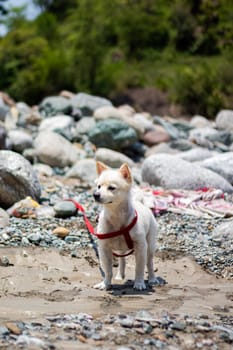
Jindo - Complete Breed Guide is best understood through temperament, daily exercise needs, and grooming load.
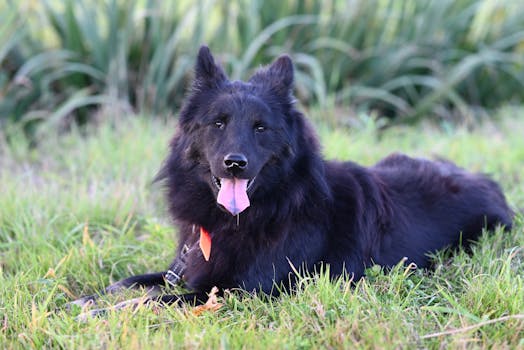
Jindo
At a Glance
- Origin: South Korea (Jindo Island)
- Size: Medium
- Height: 19.5–21 inches (50–53 cm) at the shoulder
- Weight: 35–50 pounds (16–23 kg)
- Lifespan: 12–15 years
- Coat: Double coat; either short or medium-length; colors include white, red, fawn, black, brindle, and gray
- Shedding: High (seasonal)
- Hypoallergenic: No
Overview
The Jindo is a medium-sized, spitz-type dog breed originating from Jindo Island in South Korea. Renowned for its exceptional loyalty, intelligence, and independent nature, the Jindo has been designated as a Natural Monument of South Korea and is one of the country's most culturally significant breeds. The Jindo is primarily a hunting and companion dog, valued for its keen senses, agility, and unwavering devotion to its owner. While highly affectionate with its family, the breed is reserved with strangers and possesses a strong prey drive, making it best suited for experienced owners who can provide consistent training and ample exercise.
History & Origin
The Jindo has a long and storied history on Jindo Island, located off the southwestern coast of the Korean Peninsula. Archaeological evidence and historical records suggest that the breed has existed for centuries, likely descending from ancient Korean dogs that accompanied early settlers to the island. The isolation of Jindo Island contributed to the breed's genetic purity and the development of its distinctive traits. For generations, Jindos were used by local farmers and hunters for tracking and hunting game such as boar, deer, and rabbits, as well as for guarding property. Their intelligence and loyalty became legendary, with many tales recounting Jindos traveling great distances to reunite with their owners. In 1938, the Japanese colonial government designated the Jindo as a Natural Monument (No. 53) to protect the breed from extinction and crossbreeding. Following the Korean War, efforts to preserve and promote the breed intensified, leading to its recognition by the Korean Kennel Club and, in 1998, by the United Kennel Club (UKC). The Jindo is also recognized by the Fédération Cynologique Internationale (FCI) in Group 5, Section 5. The breed remains rare outside of South Korea, where it is deeply revered as a national treasure.
Physical Characteristics
The Jindo is a well-balanced, medium-sized dog with a muscular, athletic build that conveys agility and endurance. The breed exhibits sexual dimorphism, with males being distinctly larger and more robust than females. The head is wedge-shaped with a moderately broad skull, a well-defined stop, and a black nose. The eyes are almond-shaped, dark brown, and expressive, conveying intelligence and alertness. The ears are erect, triangular, and set high on the head, contributing to the breed's attentive expression. The neck is strong and moderately long, leading to a deep chest and a straight, level back. The tail is thick, set high, and carried curled over the back or to one side, a characteristic feature of spitz-type breeds. The Jindo has a double coat consisting of a dense, soft undercoat and a straight, harsh outer coat. Coat length varies, with two accepted varieties: the short-haired Jindo, with a coat that lies flat and close to the body, and the long-haired Jindo, which has a longer, more profuse coat, particularly on the neck, tail, and thighs. Accepted coat colors include white, red (ranging from light golden to deep mahogany), fawn, black, brindle, and gray. The breed's gait is smooth, effortless, and ground-covering, reflecting its heritage as a hunting dog capable of sustained speed.
Temperament & Personality
The Jindo is characterized by an intense loyalty to its family, often forming a deep, singular bond with one primary owner. This devotion is a hallmark of the breed, and Jindos are known to be protective, alert, and affectionate with those they trust. However, the breed is naturally reserved and aloof with strangers, requiring early and extensive socialization to prevent excessive wariness or aggression. Jindos are highly intelligent and independent thinkers, which can translate into a stubborn streak during training. They are not typically recommended for novice dog owners due to their strong will and need for firm, consistent leadership. The breed possesses a high prey drive, stemming from its hunting background, and may not be suitable for homes with small pets such as cats or rodents. With proper introduction and socialization, Jindos can coexist with other dogs, but they may exhibit same-sex aggression. They are generally good with children within their own family, but their sensitive nature means they thrive in calm, respectful households. Jindos are known for their cleanliness and often exhibit cat-like grooming habits. Their temperament is best described as dignified, courageous, and alert, making them excellent watchdogs.
Care & Maintenance
Exercise Requirements
The Jindo is an active and energetic breed that requires substantial daily exercise to maintain physical and mental well-being. A minimum of 60 minutes of vigorous activity, such as brisk walks, jogging, hiking, or off-leash running in a secure area, is recommended. Jindos excel in canine sports such as agility, obedience, and tracking, which provide both physical stimulation and mental challenges. Without adequate exercise, the breed may develop destructive behaviors, including digging, chewing, or excessive barking. Due to their strong prey drive, Jindos should always be exercised in a securely fenced area or on a leash, as they are prone to chasing small animals.
Grooming Needs
The Jindo's double coat requires moderate grooming. The breed sheds heavily, particularly during seasonal shedding periods in spring and fall. During these times, daily brushing with a slicker brush or undercoat rake is necessary to remove loose hair and prevent matting. Outside of shedding season, weekly brushing is sufficient to maintain coat health and minimize shedding. Bathing should be done only as needed, as frequent bathing can strip the coat of natural oils and dry the skin. The Jindo is a naturally clean breed with minimal dog odor. Routine care includes regular nail trimming, ear cleaning to prevent infections, and dental hygiene through brushing or dental chews.
Training
Training a Jindo requires patience, consistency, and a firm but gentle approach. The breed's intelligence and independent nature can make it challenging for novice owners. Positive reinforcement methods, such as treats, praise, and play, are most effective, as harsh corrections can damage the dog's trust and lead to resistance. Early socialization is critical to help the Jindo develop into a well-adjusted adult. Exposing the puppy to various people, environments, sounds, and other animals in a controlled, positive manner can mitigate wariness toward strangers and reduce the risk of fear-based aggression. Obedience training should begin early and be reinforced throughout the dog's life. Jindos are known to be escape artists, so reliable recall and a secure environment are essential.
Health
The Jindo is generally a healthy and robust breed, with a long lifespan of 12 to 15 years. Due to its isolated origins and limited gene pool, the breed has a relatively low incidence of inherited genetic disorders compared to many other purebred dogs. However, some health issues have been observed, including hip dysplasia, elbow dysplasia, and certain eye conditions such as cataracts and progressive retinal atrophy (PRA). Hypothyroidism and allergies, including food and environmental sensitivities, may also occur. Responsible breeders screen their breeding stock for these conditions, and prospective owners should request health clearances for hip and elbow evaluations, as well as eye examinations. The breed is also prone to obesity if overfed and under-exercised, so portion control and regular activity are important. Regular veterinary check-ups are recommended to maintain overall health.
Living Conditions
The Jindo is adaptable but is best suited to a home with a securely fenced yard where it can explore and exercise. While the breed can live in an apartment, it requires significant daily exercise and mental stimulation to prevent boredom and destructive behavior. The Jindo is not an ideal breed for a confined or sedentary lifestyle. Due to its strong prey drive and potential for dog aggression, careful management is necessary in multi-pet households. The breed is known for its escape skills, so fencing should be high, secure, and dig-proof. Jindos are sensitive to extreme temperatures but can adapt to various climates with appropriate shelter. They thrive in a calm, structured environment with an owner who can provide consistent leadership and ample activity.
Interesting Facts
- The Jindo is designated as a Natural Monument of South Korea, a status that legally protects the breed and prohibits exportation without government permission.
- The breed is famous for its incredible homing instinct; there are documented cases of Jindos traveling hundreds of miles across unfamiliar terrain to return to their owners.
- The Jindo is one of the few dog breeds that is recognized by the South Korean government as a cultural heritage asset, reflecting its historical and national significance.
Conclusion
The Jindo is a remarkable breed distinguished by its profound loyalty, intelligence, and independent spirit. As a national treasure of South Korea, it embodies a rich cultural heritage and a history of companionship and utility. The breed is best suited for experienced owners who can provide firm, consistent training, ample daily exercise, and a secure environment. While not an ideal choice for first-time dog owners or households with small pets, the Jindo rewards its dedicated owner with unwavering devotion, cleanliness, and a dignified presence. For those who understand and respect its unique temperament, the Jindo offers a deeply rewarding and loyal partnership.
References
Based on standards from the United Kennel Club (UKC), the Fédération Cynologique Internationale (FCI), and the Korean Kennel Federation (KKF). Additional information derived from breed preservation organizations and historical records concerning the Jindo as a Natural Monument of South Korea.


No comments yet. Be the first to share your thoughts.