
The German Shepherd is one of the most recognizable dog breeds in the world — and for good reason. Intelligent, loyal, and hardworking, this breed has earned its place as both a trusted working dog and a beloved family companion. But like any breed, they come with specific needs that every potential owner should understand before bringing one home.
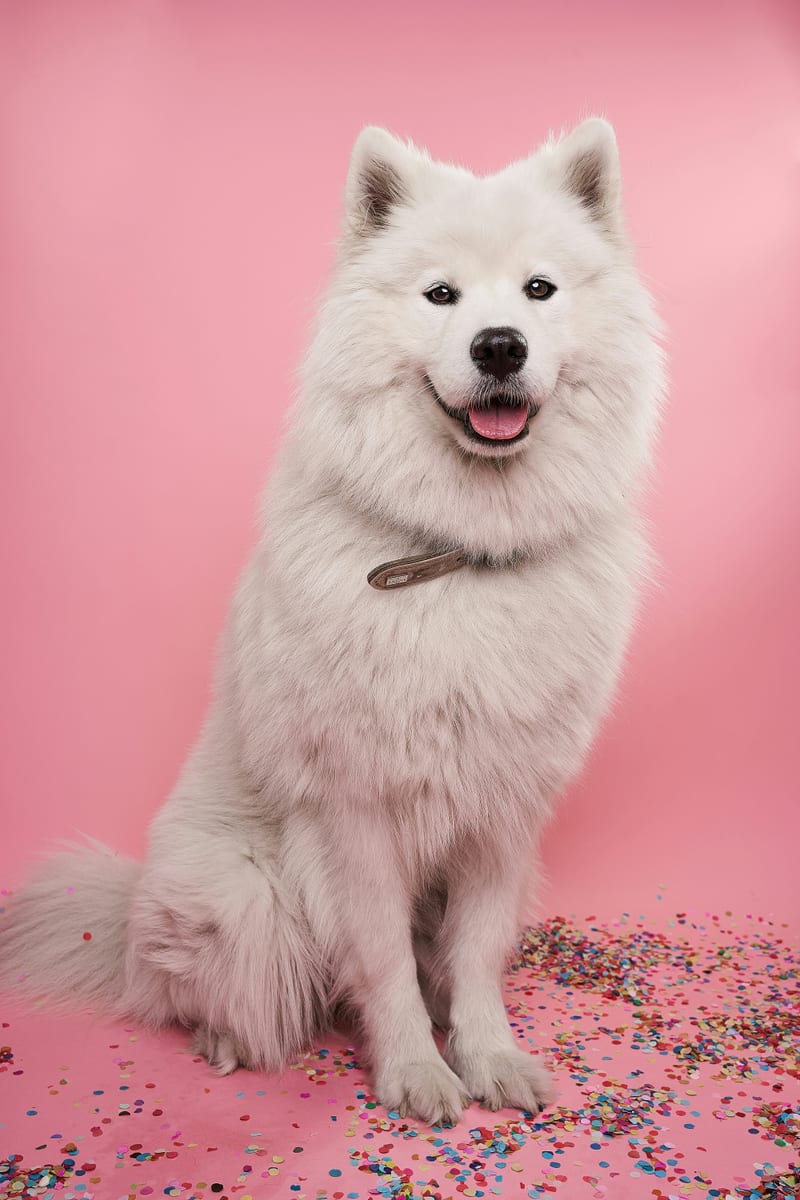
German Shepherd
Overview
The German Shepherd is a large, intelligent, and versatile working dog breed originating from Germany. Renowned for its loyalty, courage, and trainability, it is one of the most popular and widely recognized breeds globally. Often employed in police, military, and service roles, the German Shepherd excels in tasks requiring strength, stamina, and keen problem-solving abilities. As a companion animal, it is devoted to its family but requires consistent leadership and substantial physical and mental stimulation to thrive.
History & Origin
The breed's development began in the late 19th century in Germany, driven by a desire to standardize herding dogs that possessed both intelligence and utility. Captain Max von Stephanitz, a German cavalry officer, is credited as the founder of the breed. In 1899, he discovered a dog named Hektor Linksrhein, later renamed Horand von Grafrath, which he considered the ideal working dog. Von Stephanitz established the Verein für Deutsche Schäferhunde (Society for the German Shepherd Dog), and Horand became the first registered German Shepherd. Through selective breeding, von Stephanitz emphasized traits such as intelligence, agility, strength, and a strong work ethic, moving the breed beyond herding to encompass police and military work. During World War I, German Shepherds gained international recognition as messenger dogs, rescue dogs, and sentries, leading to their spread across Europe and North America. The breed's popularity surged in the post-war era, partly due to the fame of early film stars like Rin Tin Tin and Strongheart.
Physical Characteristics
The German Shepherd is a large, well-muscled dog with a sturdy, elongated build. The breed exhibits a balanced, harmonious appearance, with a strong back and a deep chest. Males typically stand 60–65 cm (24–26 in) at the shoulder and weigh 30–40 kg (66–88 lbs), while females are slightly smaller at 55–60 cm (22–24 in) and 22–32 kg (49–71 lbs). The head is wedge-shaped, with a moderate stop, a strong muzzle, and erect, pointed ears that are set high and carried forward. The eyes are almond-shaped, dark, and expressive, conveying intelligence and alertness. The tail is bushy and hangs down in a slight curve when at rest. The breed has a double coat: a dense, harsh outer coat and a softer undercoat. The most common color pattern is tan with a black saddle, but sable, black and cream, and solid black are also accepted. White coats are considered a fault in most breed standards. The gait is distinctive, characterized by a ground-covering, elastic trot that demonstrates power and efficiency.
Temperament & Personality
The German Shepherd is characterized by a confident, courageous, and steady temperament. The breed is highly intelligent and possesses a strong desire to work and please its handler. Loyalty and devotion to family are hallmark traits, often forming a deep bond with one primary owner while being protective of all household members. German Shepherds are naturally aloof with strangers, making them excellent watchdogs, but they should not exhibit unwarranted aggression. With proper socialization from an early age, they can coexist well with children and other pets, though their herding instincts may lead them to try to "herd" small children. The breed is typically reserved but not fearful. A stable German Shepherd is self-assured, adaptable, and capable of handling a variety of environments, provided its needs for structure and activity are met. Nervousness or sharpness is considered a serious temperament fault.
Care & Maintenance
Exercise Requirements
German Shepherds are high-energy dogs that require substantial daily exercise. A minimum of one to two hours of vigorous activity is recommended, including brisk walks, jogging, hiking, or play sessions in a securely fenced area. Without adequate physical exertion, they may develop destructive behaviors such as chewing or digging. Beyond physical exercise, the breed demands significant mental stimulation. Activities such as obedience training, agility, tracking, puzzle toys, and interactive games are essential to prevent boredom and channel their intelligence productively.
Grooming Needs
The German Shepherd sheds heavily year-round, with increased shedding during seasonal changes in spring and fall. Regular brushing—at least two to three times per week—is necessary to remove loose hair and minimize shedding around the home. During peak shedding periods, daily brushing may be required. The breed's dense double coat is self-cleaning to some degree, so bathing should be infrequent, typically every few months, unless the dog becomes excessively dirty. Nail trimming should be done monthly, and ears should be checked regularly for signs of infection. Professional grooming is not generally necessary but can assist with managing heavy shedding periods.
Training
German Shepherds are among the most trainable dog breeds, known for their eagerness to learn and quick comprehension. They excel in obedience, protection work, and various canine sports. Positive reinforcement methods using rewards such as treats, praise, and play are most effective, as the breed responds poorly to harsh or punitive techniques. Early socialization and puppy training classes are crucial to develop a well-adjusted adult. Consistency and firm but gentle leadership are key. The breed can be independent-minded, so training should be varied and engaging to maintain interest. Without proper training, their intelligence and strength can lead to dominant or stubborn behaviors.
Health
German Shepherds are generally healthy but are predisposed to several hereditary health conditions. The most notable is hip dysplasia and elbow dysplasia, developmental abnormalities of the joints that can lead to arthritis and mobility issues. Degenerative myelopathy, a progressive spinal cord disease, is another serious concern. The breed is also prone to gastric dilatation-volvulus (bloat), a life-threatening condition where the stomach twists. Other common issues include panosteitis (growing pains), exocrine pancreatic insufficiency, and certain skin allergies. Responsible breeders perform health screenings, including hip and elbow evaluations, and genetic testing for degenerative myelopathy. The average lifespan is 9–13 years, though some individuals may live longer with excellent care.
Living Conditions
German Shepherds are adaptable but are best suited to homes with access to a securely fenced yard where they can run and play. They are not ideal for apartment living due to their size and energy levels, though they can manage if provided with sufficient daily exercise. The breed thrives in an environment where it is included as a member of the family and given a clear role or job. They do not tolerate being left alone for extended periods and may develop separation anxiety. A calm, structured household with consistent routines is ideal. While they can tolerate cold weather due to their double coat, they should have access to shelter and shade in hot climates.
Conclusion
The German Shepherd is a breed of exceptional intelligence, loyalty, and versatility. With a rich history rooted in herding and military service, it has evolved into a premier working dog and a devoted family companion. While its high energy, shedding, and need for consistent training make it a demanding breed, the rewards of owning a well-bred and well-socialized German Shepherd are substantial. Potential owners must commit to providing ample exercise, mental stimulation, and responsible health care. For those who meet its needs, the German Shepherd offers unwavering companionship and an unparalleled work ethic.
References
Based on standards from major kennel clubs and breed organizations, including the American Kennel Club (AKC), the Fédération Cynologique Internationale (FCI), and the Verein für Deutsche Schäferhunde (SV).
Common questions
Is german shepherd good for first-time owners?
It depends on exercise needs, grooming load, and your daily schedule. Meet adult dogs of the breed before deciding.
How much exercise does german shepherd usually need?
Look at working history, not just size. Under-exercised dogs often bark, chew, or struggle with training regardless of breed label.
What ongoing costs should I expect with german shepherd?
Budget for grooming, training, preventive vet care, and quality food—these often exceed the purchase price over the dog’s life.
More in Dog Breeds
What Are the Rarest Dog Breeds?
What breed descriptions miss Breed standards describe appearance and general temperament, but individual dogs vary widely within every breed based on.

What Are the Best Fox Rescues and Shelters in The US?
Researching a breed before adopting Speaking with breed owners, visiting rescue organizations, and meeting adult dogs in person gives a more accurate.

How Much Better is a Dog's Sense of Smell Than a Human’s?
Beyond the breed description Meeting adult dogs of the breed in person teaches more about their temperament than reading breed profiles or watching online.

How to Care for a Pet Fox: Diet, Needs, Exercise, and More
Understanding breed characteristics Energy levels, grooming requirements, and trainability are tendencies rather than guarantees. Individual variation.
No comments yet.