
What I Wish Someone Had Told Me About Puppy Care
Socialization is about quality experiences, not quantity.
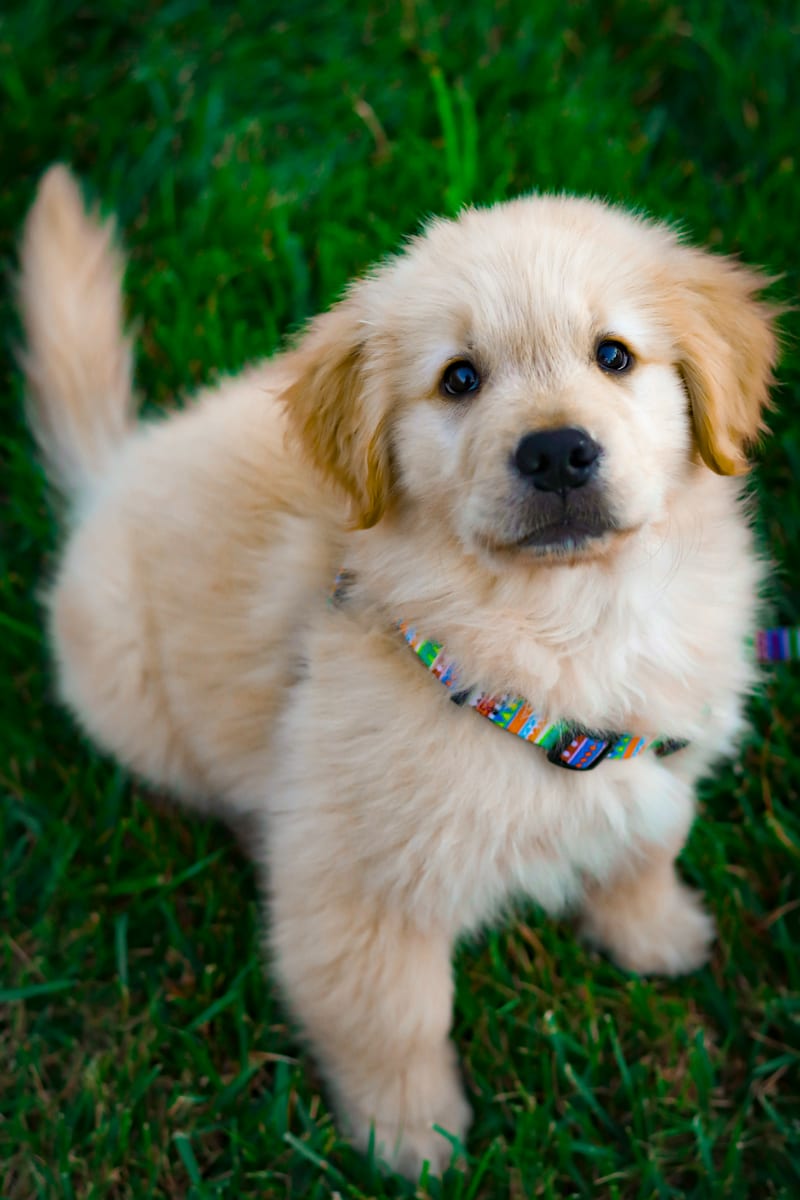
The first few days home are critical for setting your puppy up for success. I set up a designated puppy area with a crate, playpen, and puppy pads. The area is easy to clean and contains everything my puppy needs. I kept my puppy confined to this area when I could not supervise her directly. This prevented accidents and destructive behaviors while giving her a safe space to explore. I introduced new areas of the house gradually over the first few weeks.
Housetraining requires patience above all else. The key is supervision, confinement, and frequent trips outside. I take my puppy outside every hour while she is awake, immediately after waking up, after eating, after drinking, after playing, and before bedtime. Accidents happen inside because I was not watching closely enough. When I catch my puppy in the act, I interrupt her with a gentle noise and take her outside. I never punish accidents. Punishment teaches a puppy to hide elimination from you rather than eliminating in the right place.
Socialization during the first sixteen weeks is the most important thing you can do for your puppy. Proper socialization is not about exposing your puppy to everything all at once. It is about creating positive associations with new experiences. I introduced my puppy to new people, places, sounds, and surfaces gradually. Each new experience was paired with high-value treats. If my puppy showed fear, I backed off and approached more slowly. The goal is to teach your puppy that new things are not scary.
Puppy biting and mouthing is normal behavior. Puppies explore the world with their mouths and teething causes discomfort that chewing relieves. I provided appropriate chew toys and redirected my puppy to them whenever she mouthed my hands or clothing. When she bit too hard during play, I let out a high-pitched yelp and stopped play for a moment. This mimics how puppies communicate with each other during play. The yelp taught her that biting too hard ends play. She gradually learned to inhibit her bite.
Crate training provides your puppy with a safe space and is invaluable for housetraining and travel. I introduced the crate by feeding meals inside it with the door open. Once my puppy was comfortable eating in the crate, I started closing the door for short periods while she ate. I gradually increased the time she spent in the crate with the door closed. The crate is never used as punishment. It is her safe space where she goes voluntarily when she is tired.
Teething is a challenging phase. Puppies start losing their baby teeth around twelve weeks and continue until about six months. The teething process causes sore gums that puppies relieve by chewing. I froze wet washcloths for my puppy to chew on. The cold numbed her gums while the texture provided a satisfying surface to gnaw. I provided a variety of teething toys with different textures and rotated them to keep them interesting. The teething phase lasted about three months and required a lot of patience.
Puppy nutrition is different from adult dog nutrition. Puppies need higher levels of protein, fat, calcium, and phosphorus to support their rapid growth. I feed a puppy formula that meets AAFCO standards for growth. Large breed puppies need special consideration. They should eat a large breed puppy formula with controlled calcium and phosphorus levels to prevent developmental orthopedic disease. Toy breed puppies need frequent small meals to prevent hypoglycemia.
Training should start the day your puppy comes home. Puppies are capable of learning simple behaviors from eight weeks of age. I started with sit, down, and come. Each training session lasted two to three minutes. Multiple short sessions spread throughout the day are more effective than one long session. By the end of the first week, my puppy reliably sat for her meals and before going outside. The early training established a pattern of communication that built a foundation for more complex behaviors later.
Veterinary care for puppies includes a series of vaccinations starting at six to eight weeks of age. The vaccination series provides protection against distemper, parvovirus, adenovirus, and rabies. I kept my puppy away from public places where unvaccinated dogs might have been until she completed her vaccination series at sixteen weeks. I carried her to friends' houses for socialization while she was not fully vaccinated. The risk of parvovirus is serious enough that caution is warranted.
Puppy proofing your home is essential. Electrical cords should be covered or moved out of reach. Toxic plants should be removed or placed where your puppy cannot reach them. Cleaning supplies and medications should be stored in cabinets with childproof locks. Small objects that can be swallowed should be picked up off the floor. I spent an afternoon going through each room of my house at puppy eye level to identify potential hazards. The effort prevented many emergencies and gave me peace of mind.
The puppy phase is demanding but temporary. There will be sleepless nights, chewed furniture, accidents on the carpet, and moments of frustration. But the phase passes. What remains is the adult dog that you raised. The effort you put into proper socialization, training, and care during the puppy months pays off in a well-adjusted adult dog who is a joy to live with. The bond that develops through raising a puppy from eight weeks to adulthood is unlike any other. It is worth every chewed shoe and every lost hour of sleep.
No comments yet.