
The Most Important Training Lesson I Learned
The single biggest factor in successful training is timing rewards correctly.
The foundation of all dog training is the relationship between you and your dog. A dog who trusts you and wants to work with you will learn faster and perform more reliably than a dog who is trained through force or intimidation. I build my relationship with my dog through play, affection, and positive reinforcement. Every training session starts with a few minutes of play to get my dog in a positive mindset. The training itself is structured as a game.
Understanding how dogs learn is essential for effective training. Dogs learn through association and consequence. If a behavior leads to a positive outcome, the dog is more likely to repeat that behavior. If a behavior leads to a negative outcome or no outcome at all, the dog is less likely to repeat it. This is the principle of operant conditioning. The most effective way to teach a new behavior is to capture or shape it, mark the exact moment the behavior occurs, and reward it immediately.
Timing is everything in dog training. The marker must occur at the exact moment of the behavior, not before and not after. If you mark too early, you reinforce the behavior before it is complete. If you mark too late, you reinforce whatever the dog is doing at the moment of the mark, which may not be the behavior you intended. I spent hours practicing my timing without my dog present. I watched training videos and clicked at the exact moment the trainer's dog performed the behavior.
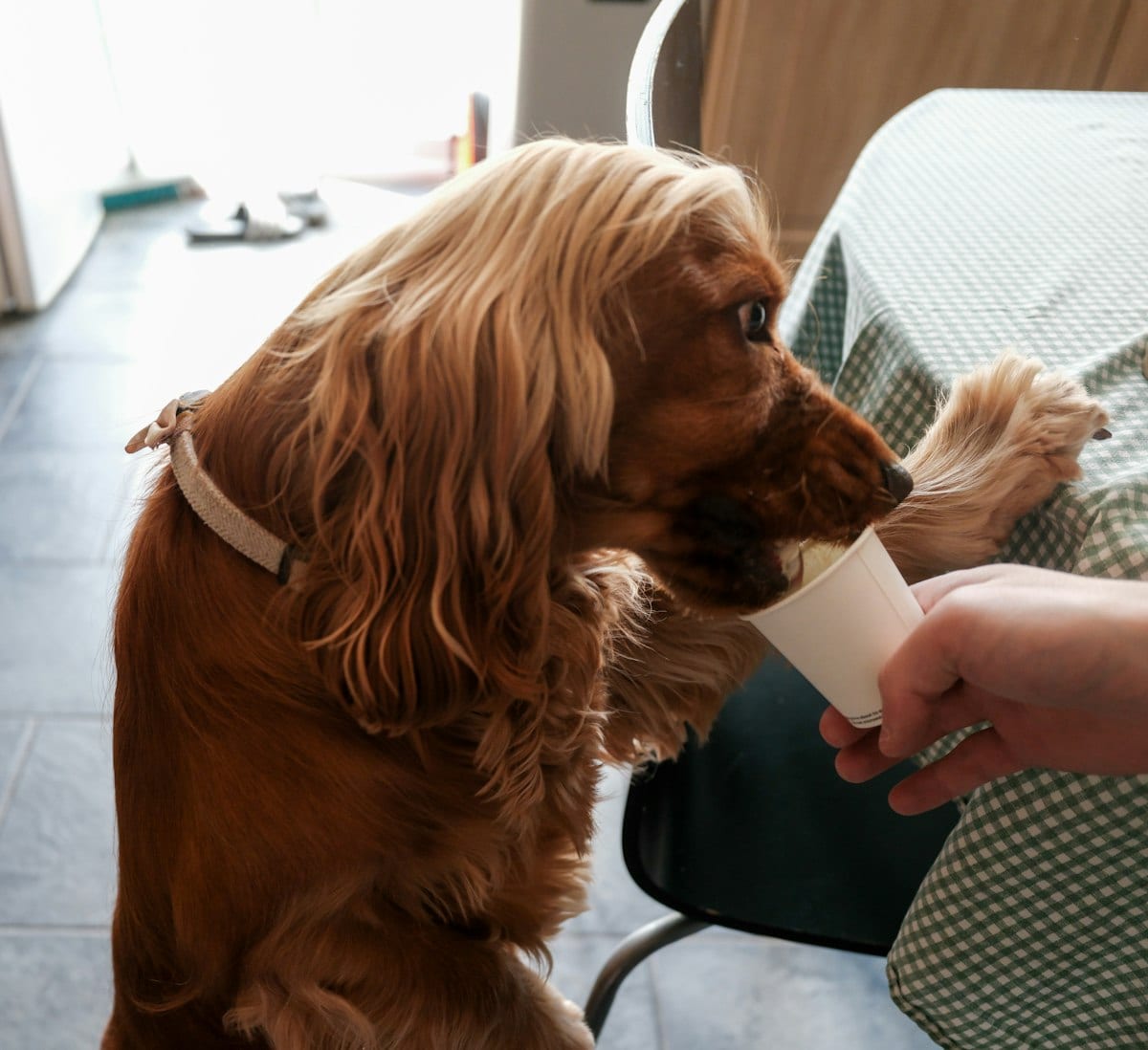
The value of the reward matters more than most owners realize. A reward is only rewarding if the dog values it. High-value rewards like chicken, cheese, or steak work better for difficult behaviors or distracting environments. Low-value rewards like kibble are fine for easy behaviors in quiet environments. I use a hierarchy of rewards depending on the difficulty of the behavior and the level of distractions. Kibble for simple cues at home. Biscuits for known behaviors in the backyard. Chicken for new behaviors. Cheese for recall in high-distraction areas.
Consistency is critical for reliable training. Everyone in the household must use the same cues and reward the same behaviors. If one person allows jumping and another corrects it, the dog will never learn that jumping is not allowed. I write down the cues and rules for each new behavior and share them with everyone who interacts with my dog. This consistency helped my dog learn faster and reduced confusion.
Duration, distance, and distraction are the three Ds of proofing a behavior. Start with short duration in a quiet environment with no distractions. Gradually increase the duration before adding distance. Add distance before adding distractions. Each new level of difficulty should be introduced slowly. If your dog fails at a higher level, go back to the previous level and practice more. I keep a training journal to track which level my dog has mastered for each behavior.
The most common mistake in dog training is asking too much too quickly. Owners teach a new behavior in the living room and expect it to work at the dog park the next day. Dogs do not generalize well. A sit in the living room is not the same as a sit at the dog park. Each new environment requires new practice. I teach each behavior in at least five different locations before I consider it reliable.
Training should be a lifelong activity, not something you do for a few weeks when you bring a new dog home. Dogs benefit from continued mental stimulation throughout their lives. I do a short training session with my dogs every day even if it is just five minutes of reviewing known behaviors. The mental exercise keeps their minds sharp and reinforces our bond. Senior dogs especially benefit from continued training because it helps maintain cognitive function.
Patience is the most important quality a dog trainer can have. Some behaviors take weeks or months to develop. Every dog learns at their own pace. I set realistic expectations based on my dog's age, breed, and prior experience. A young puppy has the attention span of a gnat and needs short frequent sessions. An adult dog with a history of inconsistent training needs time to unlearn old habits. I celebrate small victories and do not get frustrated when progress is slow.
If you are struggling with a specific behavior, break it down into smaller steps. Most training problems occur because the owner is asking for too much at once. I once spent two weeks teaching a dog to lie down because she was afraid of the down position. I started by rewarding her for lowering her head while standing. Then for bending her front legs. Then for touching one elbow to the ground. Then for full down. Each tiny step was rewarded. Breaking behaviors into small steps is the key to training success.
The bottom line: training is about communication, not commands. Build a strong relationship with your dog through positive reinforcement. Use clear consistent cues. Reward generously. Practice in many different environments. Be patient and break behaviors into small steps. And most importantly, make training fun for both of you.

No comments yet.