
The Boston Terrier has a reputation that precedes it — and in most cases, that reputation is well deserved. These are dogs of remarkable ability and character, but they are not for everyone. Understanding their temperament, exercise needs, and health concerns is essential if you're considering adding one to your family.

Boston Terrier
Overview
The Boston Terrier is a small, compact, and well-proportioned breed of dog developed in the United States. Often referred to as the "American Gentleman" due to its distinctive tuxedo-like coat pattern and polite, refined demeanor, the Boston Terrier is a companion breed known for its intelligence, affectionate nature, and adaptability. It is recognized by major kennel clubs, including the American Kennel Club (AKC), which classifies it in the Non-Sporting Group. The breed’s combination of a sturdy build, expressive face, and amiable temperament has made it a popular choice for families, apartment dwellers, and individuals seeking a devoted pet.
History & Origin
The Boston Terrier originated in the late 19th century in Boston, Massachusetts, from which it derives its name. The breed was developed through crosses between the now-extinct English White Terrier and the English Bulldog, with later infusions from the French Bulldog and other breeds. The first notable ancestor was a dog named "Judge," a cross between a Bulldog and a white English Terrier, owned by Robert C. Hooper of Boston. Judge was bred with a small, white female named "Gyp" (or "Kate"), producing offspring that established the foundation of the breed.
Initially called "Round Heads" or "Bull Terriers," the breed was refined by Bostonian breeders who sought a compact, friendly, and stylish companion. In 1891, the Boston Terrier Club of America was founded, and the breed was officially recognized by the AKC in 1893. The breed’s original purpose was as a pit-fighting dog, but selective breeding quickly transformed it into a gentle, non-aggressive companion. The Boston Terrier became one of the first American breeds to gain widespread popularity, and it remains a symbol of American canine heritage.
Physical Characteristics
The Boston Terrier is a small, sturdy, and well-muscled dog with a square, balanced build. The breed’s head is flat on top, with a short, broad muzzle, large, round, dark eyes, and small, erect ears shaped like bat ears. The body is short and compact, with a level topline, deep chest, and a short, tapering tail that may be straight or screw-shaped. The coat is short, smooth, and fine, lying flat against the body. Acceptable colors include brindle, seal (black with a reddish cast), or black, always with a white blaze on the face, white collar, chest, and white markings on the legs and feet. The breed is classified into three weight categories: under 6.8 kg (15 lbs), 6.8–9.1 kg (15–20 lbs), and 9.1–11.3 kg (20–25 lbs). Height ranges from 38 to 43 cm (15 to 17 in) at the shoulder.
Temperament & Personality
The Boston Terrier is renowned for its gentle, friendly, and lively temperament. It is an intelligent and eager-to-please breed, often described as affectionate and playful. Boston Terriers are generally good with children, showing patience and a tolerant nature, though supervision is recommended with very young children due to the breed’s small size. They typically get along well with other dogs and pets, especially when socialized early. The breed is not known for aggression, but it can be alert and may bark at unfamiliar sounds, making it a moderate watchdog. Boston Terriers are sensitive to their owners’ emotions and thrive on human companionship, often forming strong bonds with family members. They are not prone to excessive barking or destructive behaviors if properly exercised and mentally stimulated.
Care & Maintenance
Exercise Requirements
The Boston Terrier has moderate energy levels and requires daily exercise to maintain physical and mental health. A daily walk of 20 to 30 minutes, combined with play sessions in a fenced yard or indoor games, is sufficient. The breed enjoys activities such as fetch, agility, and obedience training. Due to its brachycephalic (short-nosed) anatomy, Boston Terriers are sensitive to extreme temperatures, especially heat, and should not be overexerted in hot or humid weather. Owners should monitor for signs of overheating, such as excessive panting or lethargy.
Grooming Needs
The Boston Terrier’s short, smooth coat requires minimal grooming. Weekly brushing with a soft-bristle brush or a rubber grooming mitt helps remove loose hair and maintain coat shine. Bathing should be done only as needed, typically every few months, using a mild dog shampoo to avoid skin irritation. The breed’s facial wrinkles should be cleaned regularly with a damp cloth to prevent moisture buildup and infection. Nail trimming, ear cleaning, and dental care are essential components of routine grooming. The breed sheds moderately but is not considered a heavy shedder.
Training
Boston Terriers are highly trainable due to their intelligence and desire to please. They respond well to positive reinforcement methods, such as treats, praise, and play. Consistent, gentle training from an early age is recommended to establish good behavior and prevent stubbornness. The breed can be sensitive to harsh corrections, so a patient approach yields the best results. Early socialization is crucial to ensure the dog is well-adjusted and comfortable with various people, animals, and environments. Common training challenges include housebreaking, which may require patience, and a tendency to become distracted by scents or sounds.
Health
The Boston Terrier is generally a healthy breed but is predisposed to several hereditary and conformational health issues. Common concerns include brachycephalic obstructive airway syndrome (BOAS), which can cause breathing difficulties, snoring, and heat intolerance. Other conditions include patellar luxation (dislocation of the kneecap), hip dysplasia, cataracts, glaucoma, and cherry eye (prolapsed third eyelid). The breed may also be prone to skin allergies, demodectic mange, and deafness, particularly in white-coated individuals. Responsible breeders screen for these conditions through health tests, including eye examinations, hip evaluations, and hearing tests. The average lifespan is 11 to 13 years, though some individuals may live longer with proper care. Owners should provide a balanced diet, regular veterinary check-ups, and avoid overfeeding to prevent obesity, which can exacerbate respiratory issues.
Living Conditions
The Boston Terrier is highly adaptable and thrives in a variety of living environments, including apartments and houses with or without yards. Its small size and moderate exercise needs make it ideal for urban living. The breed prefers a temperate climate and should not be left outdoors for extended periods in extreme heat or cold. Boston Terriers are indoor dogs that enjoy being close to their owners and are not suited for kennel or outdoor-only lifestyles. They are generally quiet and well-mannered, making them good neighbors in shared housing. Early crate training can provide a safe space for the dog when unsupervised.
Conclusion
The Boston Terrier is a charming, intelligent, and adaptable breed that excels as a companion dog. Its compact size, friendly temperament, and low-maintenance grooming needs make it suitable for a wide range of households, from singles to families. While the breed has specific health considerations related to its brachycephalic structure, responsible ownership and regular veterinary care can mitigate many risks. The Boston Terrier’s enduring popularity is a testament to its affectionate nature and distinctive appearance, solidifying its place as a beloved member of the canine community.
References
Based on standards from the American Kennel Club (AKC), the Boston Terrier Club of America, and the United Kennel Club (UKC). Additional information derived from veterinary sources and breed-specific health studies.
Common questions
Is boston terrier good for first-time owners?
It depends on exercise needs, grooming load, and your daily schedule. Meet adult dogs of the breed before deciding.
How much exercise does boston terrier usually need?
Look at working history, not just size. Under-exercised dogs often bark, chew, or struggle with training regardless of breed label.
What ongoing costs should I expect with boston terrier?
Budget for grooming, training, preventive vet care, and quality food—these often exceed the purchase price over the dog’s life.
More in Dog Breeds

13 All-American Dog Breeds Born In The USA
Health considerations by breed Breed-specific health screenings exist for good reason. Researching common conditions before choosing a breeder can prevent.
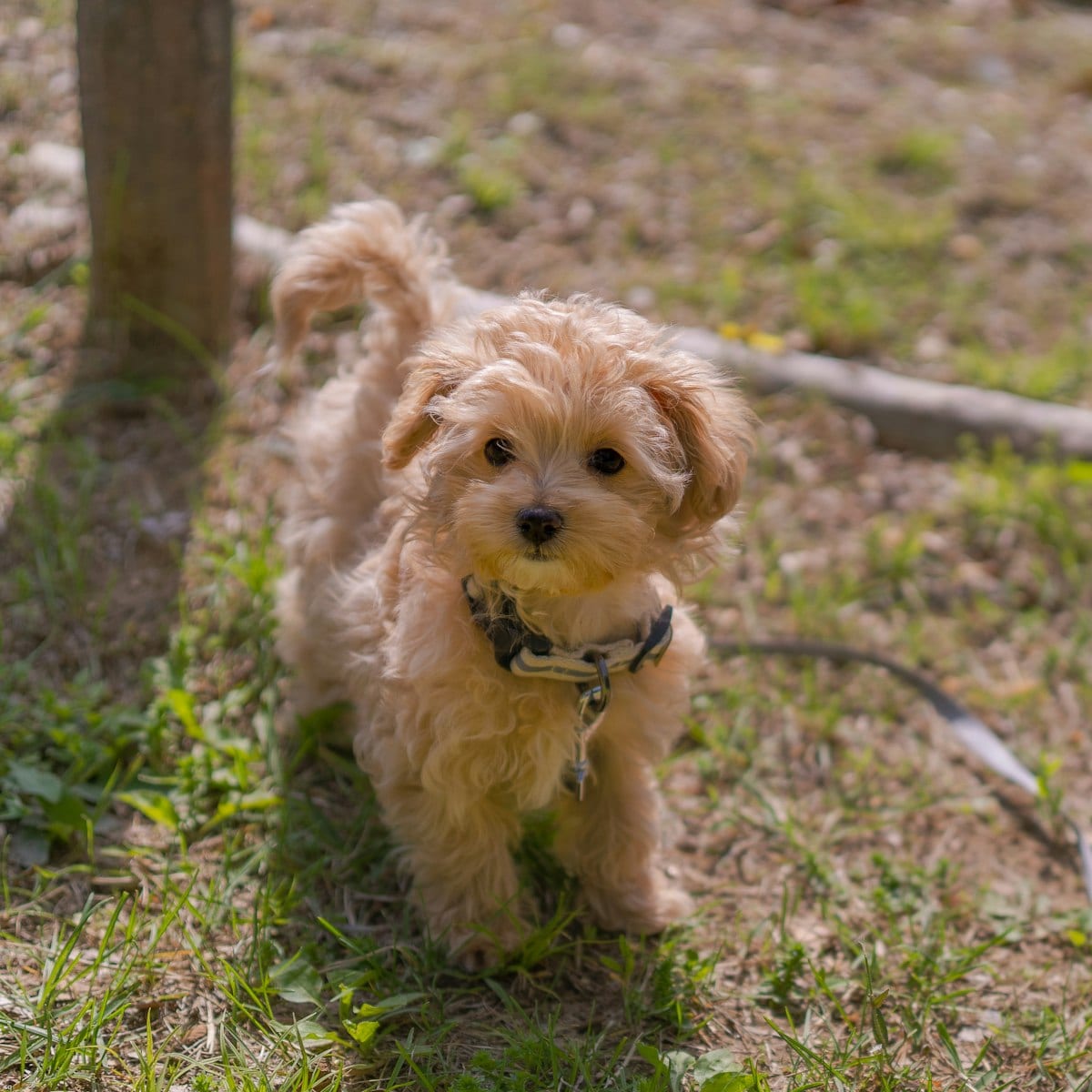
11 Hypoallergenic Dog Breeds For Allergy-Sensitive Homes
Choosing a breed that fits Matching a breed to your lifestyle matters more than choosing one based on appearance or popularity trends on social media.d in.
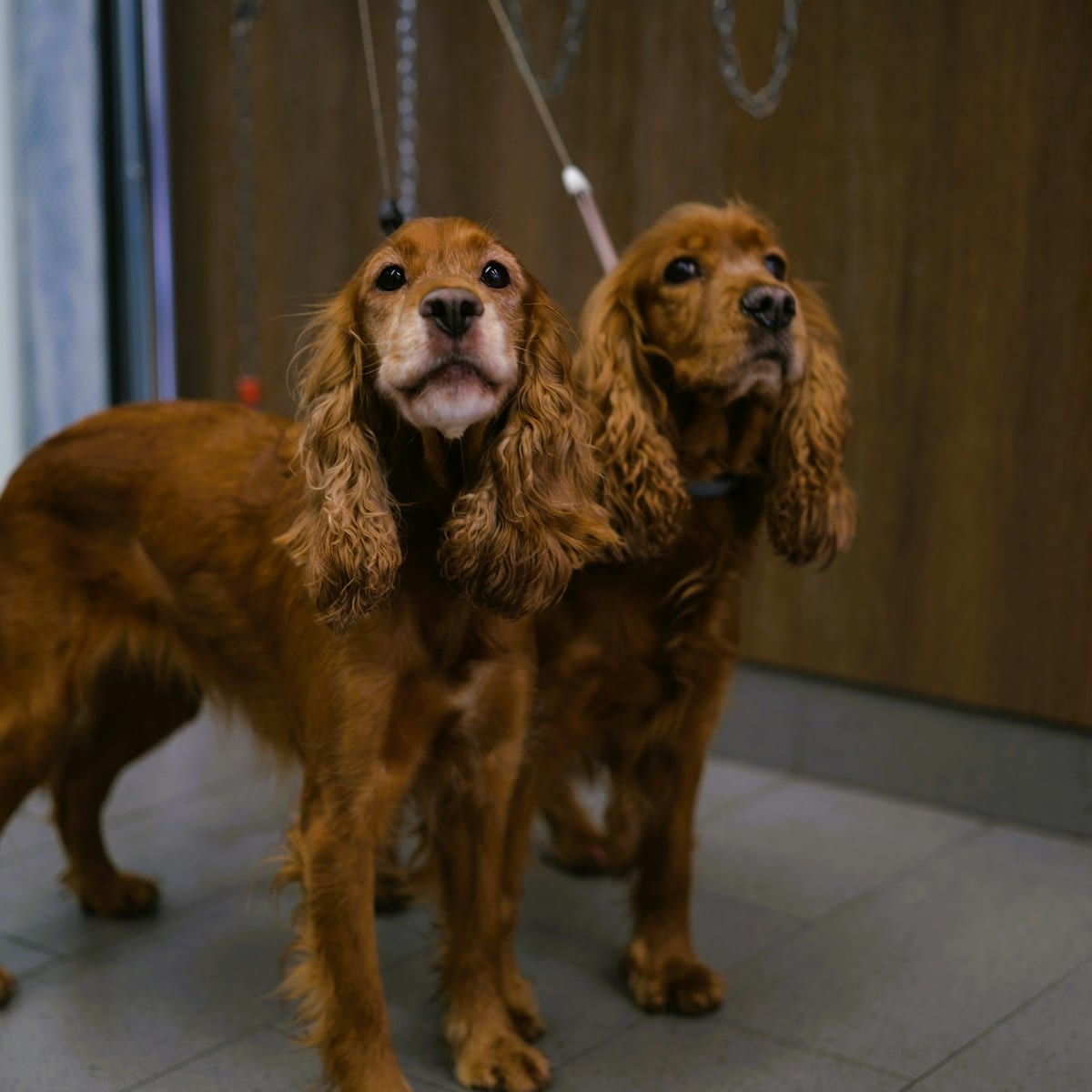
11 Playful Dog Breeds Made For Summer Fun
Breed reputation versus reality A breed reputation for friendliness or aggression does not define every dog. Individual history, training, and.
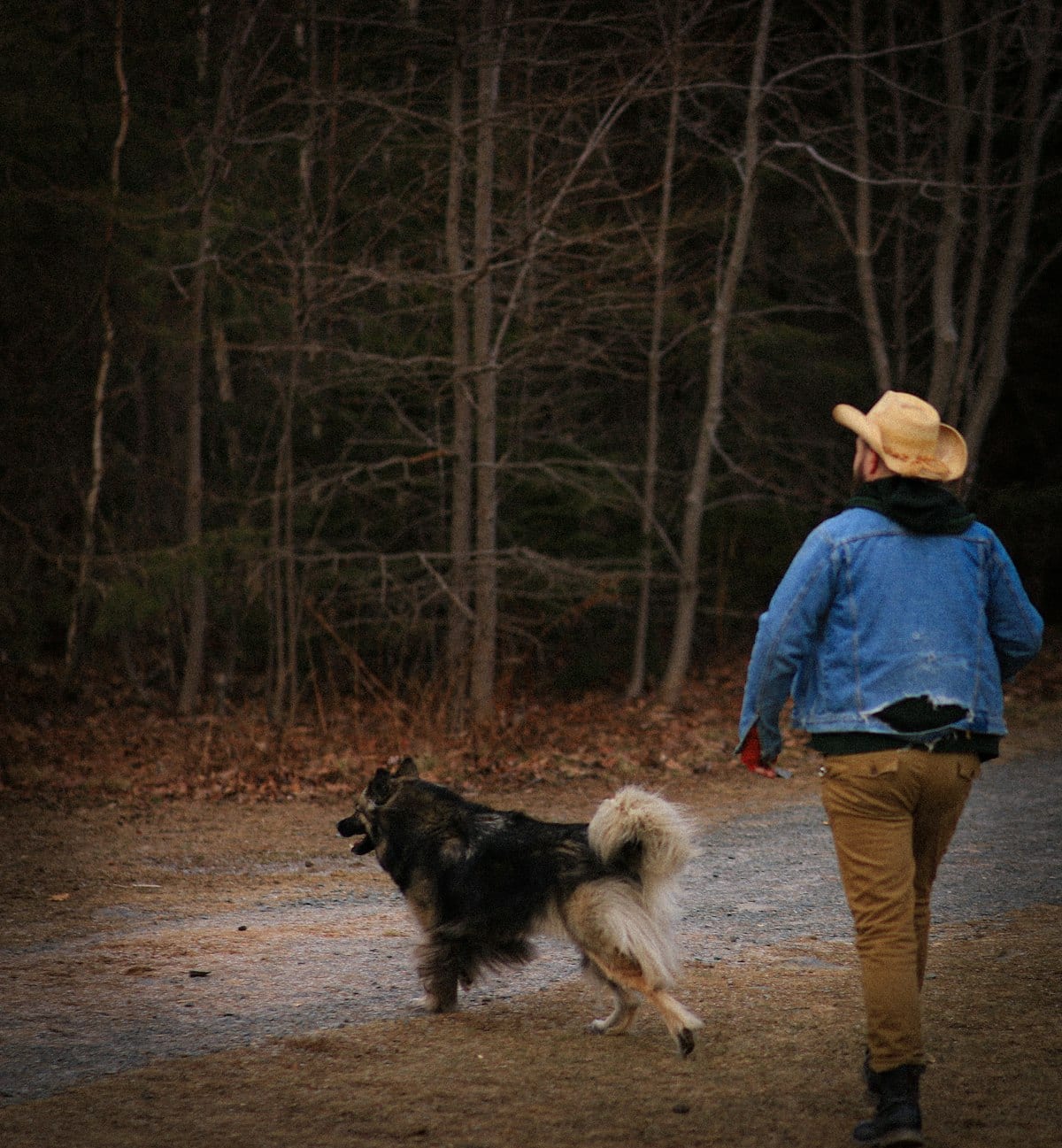
Best Dog Frisbees for 2026: 7 Picks That Fly Far and Last
Beyond breed generalizations Mixed-breed dogs combine traits from multiple lines in unpredictable ways, making breed-based assumptions even less reliable.
No comments yet.