
The Border Collie has earned a well-deserved reputation as one of the most capable and loyal dog breeds. Whether you're looking for a working partner or a family companion, this breed can excel — but only in the right hands. Here's an honest look at what it takes to be a responsible Border Collie owner.
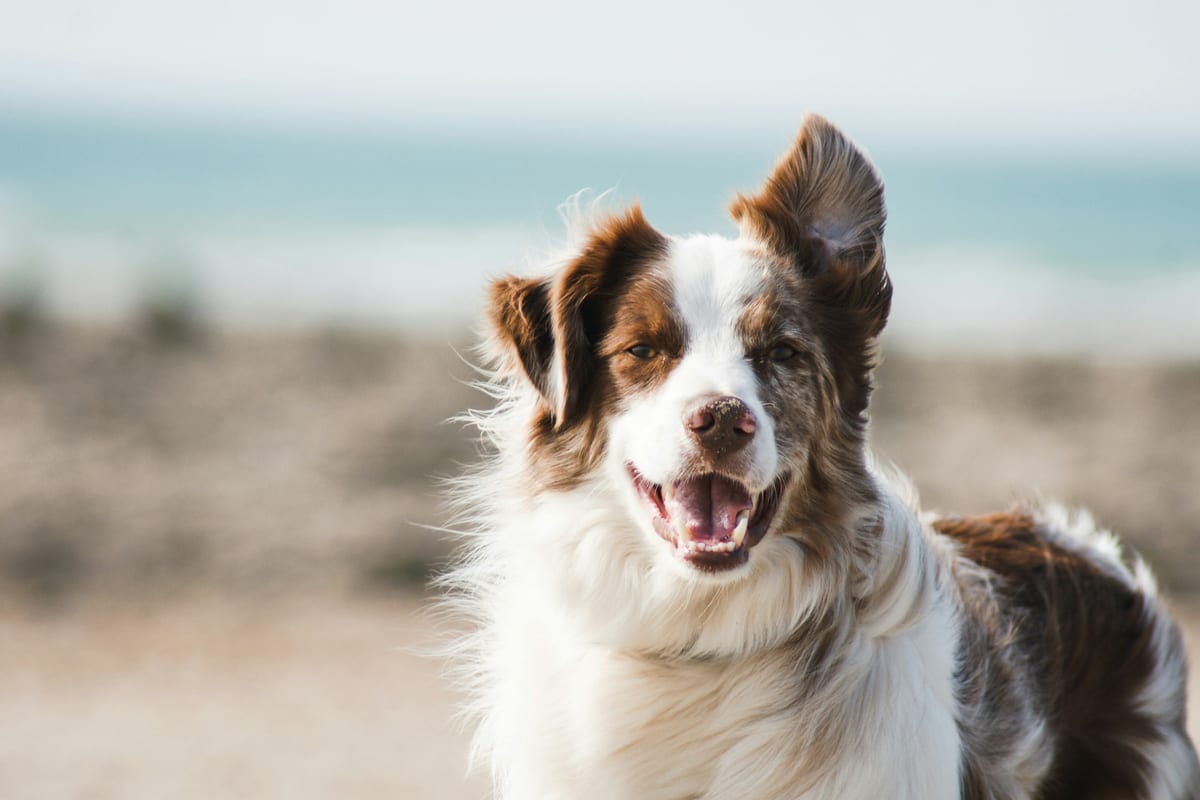
Border Collie
Temperament
Border Collies are intensely focused, intelligent, and sensitive. They thrive on mental work and clear handler communication.
Without enough activity they may invent their own jobs—often herding children, cars, or other pets.
Socialization during the first four months shapes how confidently the dog handles new people, sounds, and surfaces later in life.
Even friendly breeds benefit from clear boundaries—jumping, mouthing, and demand barking are training issues, not personality flaws.
Exercise and grooming
Plan for substantial daily exercise plus training games. Brushing several times weekly controls shedding.
Agility, scent work, or structured fetch sessions help channel energy.
Mental enrichment counts as exercise: food puzzles, scent games, and short training sessions can tire a dog when weather limits walks.
Watch weight and joint stress; overweight dogs feel hotter, move less comfortably, and recover more slowly from minor injuries.
Household fit
Best for active owners who enjoy training. Apartment life can work only with serious daily outlets.
Early socialization helps prevent shyness or reactivity in busy environments.
Renters should confirm pet policies, size limits, and breed restrictions before committing.
Households with toddlers need supervision plans—no breed is automatically safe with children without guidance and management.
Exercise planning
Schedule aerobic work plus training games. Off-leash time should happen only where recall and local laws allow.
Budget for routine grooming, training classes, and preventive vet care—these costs often exceed purchase price over the dog's life.
Match daily exercise and mental work to the breed's working history; bored dogs often develop destructive habits regardless of size.
Heat and cold tolerance vary by coat type—adjust walk timing seasonally.
Families considering this breed should visit adults in real homes, not only photos, to understand size, coat care, and noise level.
Grooming routine
Brush before baths to reduce matting. Use dog-formulated shampoo and dry ears carefully after swimming.
Nail, dental, and ear care should start young so adult handling stays easy.
Training and social needs
Enroll in puppy or basic manners classes even if the breed seems "easy." Consistency prevents problem habits.
Teach a reliable recall early if the breed has prey drive or independence.
Health screening questions
Ask breeders or rescues about parent tests relevant to the breed—hips, eyes, hearts, or genetic panels vary.
Pet insurance or an emergency fund helps with unexpected specialist visits.
Common questions
Is the border collie dog good for first-time owners?
It depends on exercise needs, grooming load, and your daily schedule. Meet adult dogs of the breed before deciding.
How much exercise does the border collie dog usually need?
Look at working history, not just size. Under-exercised dogs often bark, chew, or struggle with training regardless of breed label.
What ongoing costs should I expect with the border collie dog?
Budget for grooming, training, preventive vet care, and quality food—these often exceed the purchase price over the dog’s life.
More in Dog Breeds
What Are the Rarest Dog Breeds?
What breed descriptions miss Breed standards describe appearance and general temperament, but individual dogs vary widely within every breed based on.

What Are the Best Fox Rescues and Shelters in The US?
Researching a breed before adopting Speaking with breed owners, visiting rescue organizations, and meeting adult dogs in person gives a more accurate.

How Much Better is a Dog's Sense of Smell Than a Human’s?
Beyond the breed description Meeting adult dogs of the breed in person teaches more about their temperament than reading breed profiles or watching online.

How to Care for a Pet Fox: Diet, Needs, Exercise, and More
Understanding breed characteristics Energy levels, grooming requirements, and trainability are tendencies rather than guarantees. Individual variation.
No comments yet.