
Few dog breeds command as much respect and admiration as the Bloodhound. Known for their sharp intelligence and unwavering loyalty, these dogs have served alongside humans in roles ranging from herding to police work to devoted family pet. Before you decide if this breed is right for you, here's a complete look at what life with a Bloodhound actually looks like.

Bloodhound
Overview
The Bloodhound is a large, powerful scent hound renowned for its extraordinary olfactory capabilities. Widely regarded as one of the most skilled tracking dogs in existence, this breed possesses an unparalleled ability to follow both ground and airborne scent trails over great distances and across challenging terrain. The Bloodhound is characterized by its distinctive physical features, including loose, wrinkled skin, long drooping ears, and a solemn, dignified expression. Despite its imposing size and serious working demeanor, the Bloodhound is known for a gentle, affectionate, and even-tempered disposition, making it a loyal companion as well as an invaluable asset in law enforcement and search-and-rescue operations.
History & Origin
The Bloodhound's lineage traces back to ancient times, with its ancestors believed to have been bred by monks in the monastery of Saint-Hubert in Belgium, from which it derives its original name, the St. Hubert Hound. The breed was developed specifically for trailing game, particularly deer and wild boar, and was prized for its exceptional scenting ability and tenacity. By the Middle Ages, the Bloodhound had become highly esteemed across Europe, especially in France and England, where it was used for both hunting and tracking. The term "Bloodhound" likely refers to "blooded hound," meaning a hound of pure or noble blood, rather than any association with bloodthirstiness. The breed was further refined in England and later in the United States, where its tracking skills were adapted for law enforcement purposes. Today, the Bloodhound is recognized by major kennel clubs worldwide, including the American Kennel Club (AKC) and the Kennel Club (UK), and remains a symbol of canine tracking excellence.
Physical Characteristics
The Bloodhound is a large, robust dog with a powerful build and a distinctive appearance. Its most notable features include a deeply wrinkled forehead and face, long, pendulous ears that hang low, and loose, drooping skin, particularly around the neck and head. These physical traits are not merely cosmetic; the wrinkles help trap scent particles, while the long ears sweep the ground to stir up odors, enhancing the dog's tracking ability. The coat is short, dense, and smooth, offering protection against weather and brush. Acceptable coat colors include black and tan, liver and tan, and red, with the tan markings appearing over the eyes, on the muzzle, and on the lower legs. The Bloodhound stands 58 to 69 cm (23 to 27 in) tall at the shoulder and weighs between 36 and 50 kg (80 to 110 lbs), with males generally larger than females. Its expression is often described as solemn and noble, with a deep-set, kind eye that reflects its gentle nature.
Temperament & Personality
The Bloodhound is renowned for its gentle, affectionate, and patient temperament. Despite its size and working heritage, the breed is typically good-natured and tolerant, making it an excellent companion for families with children. Bloodhounds are generally sociable with other dogs and pets, though early socialization is recommended to ensure proper behavior. They are known for their independence and stubbornness, traits that stem from their history as independent trackers. This can make training a challenge, as the Bloodhound may follow its nose rather than commands. However, they are also sensitive and respond poorly to harsh training methods. The breed is not typically aggressive, though it may be reserved with strangers. Bloodhounds are known for their deep, resonant bark, which they use to communicate, particularly when on a scent trail. Their loyalty and devotion to their owners are profound, and they thrive on human companionship.
Care & Maintenance
Exercise Requirements
Bloodhounds require moderate daily exercise to maintain physical health and mental stimulation. A long, brisk walk or a secure, fenced area for free running is ideal. Due to their strong tracking instinct, Bloodhounds should always be kept on a leash or in a securely enclosed space when outdoors, as they may wander off following a scent. Without adequate exercise, they can become bored and destructive. However, they are not overly energetic and are content to relax indoors after their daily activities.
Grooming Needs
The Bloodhound's short coat is relatively low-maintenance, requiring weekly brushing with a soft bristle brush or rubber curry comb to remove loose hair and distribute skin oils. Shedding is moderate. Special attention must be paid to the breed's wrinkles and skin folds, which can trap moisture and debris, leading to skin infections. These areas should be cleaned regularly with a damp cloth and kept dry. The long, floppy ears require regular inspection and cleaning to prevent ear infections. Bathing should be done as needed, typically every few months, using a mild dog shampoo.
Training
Training a Bloodhound can be a rewarding but challenging endeavor due to the breed's independent and stubborn nature. Positive reinforcement methods, such as treats, praise, and play, are most effective. Harsh corrections or punishment can cause the dog to become withdrawn or resistant. Early socialization and obedience training are essential to manage the breed's size and strength. Because Bloodhounds are highly scent-driven, training sessions should be kept engaging and varied to hold their attention. Patience and consistency are key, and owners should be prepared for the breed's occasional selective hearing when a scent is present.
Health
The Bloodhound is generally a healthy breed but is predisposed to several health issues. Common concerns include hip dysplasia, elbow dysplasia, and bloat (gastric dilatation-volvulus), a life-threatening condition that requires immediate veterinary attention. Due to their deep chest, Bloodhounds are at elevated risk for bloat, and owners should be aware of symptoms such as unproductive retching, restlessness, and a distended abdomen. Other conditions include eyelid abnormalities such as entropion and ectropion, as well as skin infections related to their wrinkles. Regular veterinary check-ups, a balanced diet, and appropriate exercise can help mitigate some health risks. Responsible breeders conduct health screenings for hip and elbow dysplasia, eye disorders, and thyroid function. The average lifespan of a Bloodhound is 10 to 12 years.
Living Conditions
Bloodhounds are best suited to homes with ample space, such as a house with a securely fenced yard. They are not ideal for apartment living due to their size and need for outdoor activity. The breed is sensitive to extreme temperatures; their short coat provides little insulation against cold, and their heavy build can make them prone to overheating in hot weather. Bloodhounds are indoor dogs that thrive on close contact with their human family. They are known to drool and slobber, which should be considered by potential owners. A calm, stable environment with consistent routines is beneficial for this breed.
Conclusion
The Bloodhound is a remarkable breed distinguished by its unparalleled tracking ability, gentle temperament, and distinctive physical appearance. While it requires dedicated care, including regular exercise, grooming, and patient training, the breed offers immense loyalty and affection to its owners. Its historical significance as a working hound and its continued role in modern search-and-rescue and law enforcement underscore its unique value. Potential owners should be prepared for the challenges of living with a large, independent, and scent-driven dog, but those who do will find a devoted and extraordinary companion.
References
Based on standards from major kennel clubs and breed organizations, including the American Kennel Club (AKC), The Kennel Club (UK), and the Fédération Cynologique Internationale (FCI).
Common questions
Is bloodhound ownership good for first-time owners?
It depends on exercise needs, grooming load, and your daily schedule. Meet adult dogs of the breed before deciding.
How much exercise does bloodhound ownership usually need?
Look at working history, not just size. Under-exercised dogs often bark, chew, or struggle with training regardless of breed label.
What ongoing costs should I expect with bloodhound ownership?
Budget for grooming, training, preventive vet care, and quality food—these often exceed the purchase price over the dog’s life.
More in Dog Breeds

13 All-American Dog Breeds Born In The USA
Health considerations by breed Breed-specific health screenings exist for good reason. Researching common conditions before choosing a breeder can prevent.
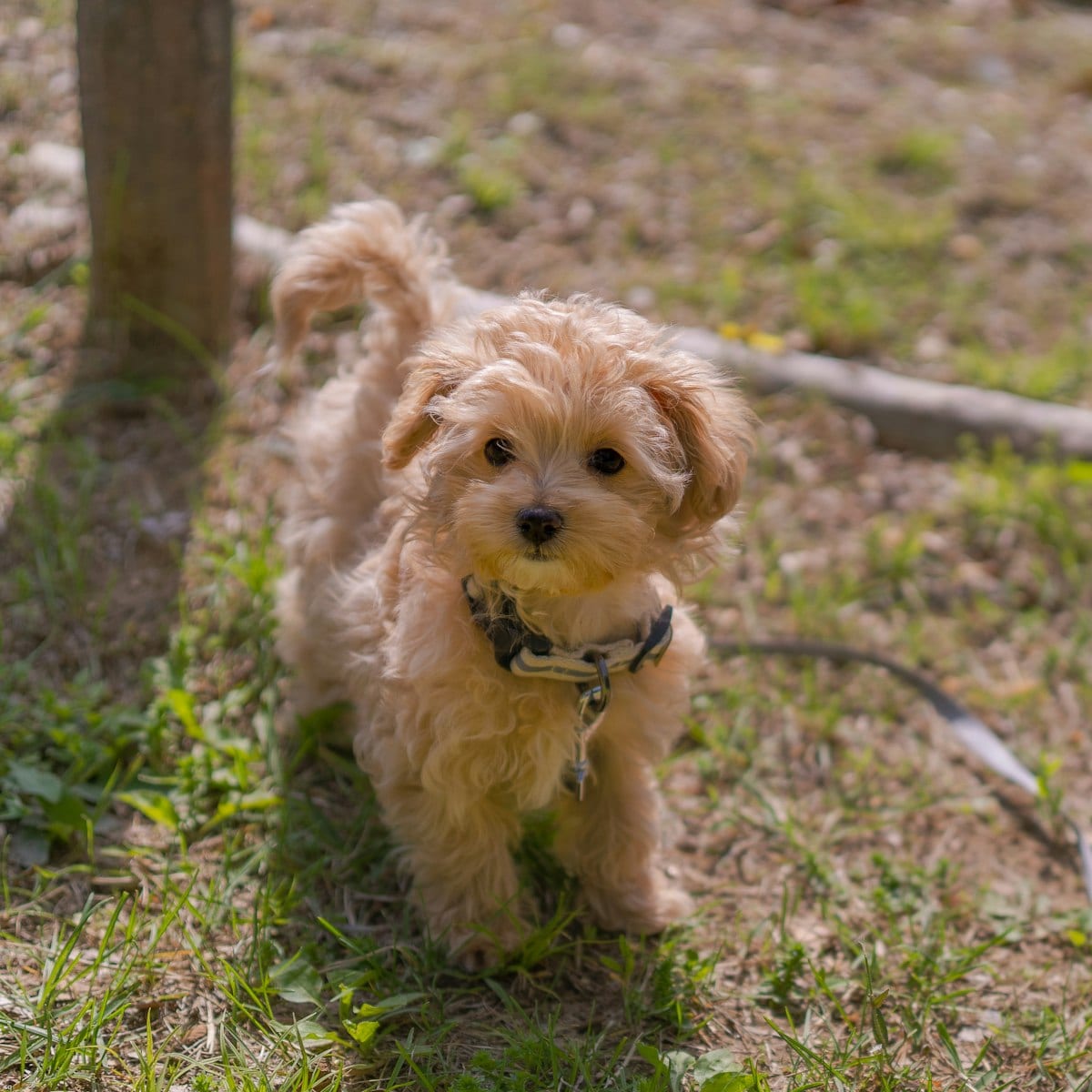
11 Hypoallergenic Dog Breeds For Allergy-Sensitive Homes
Choosing a breed that fits Matching a breed to your lifestyle matters more than choosing one based on appearance or popularity trends on social media.d in.
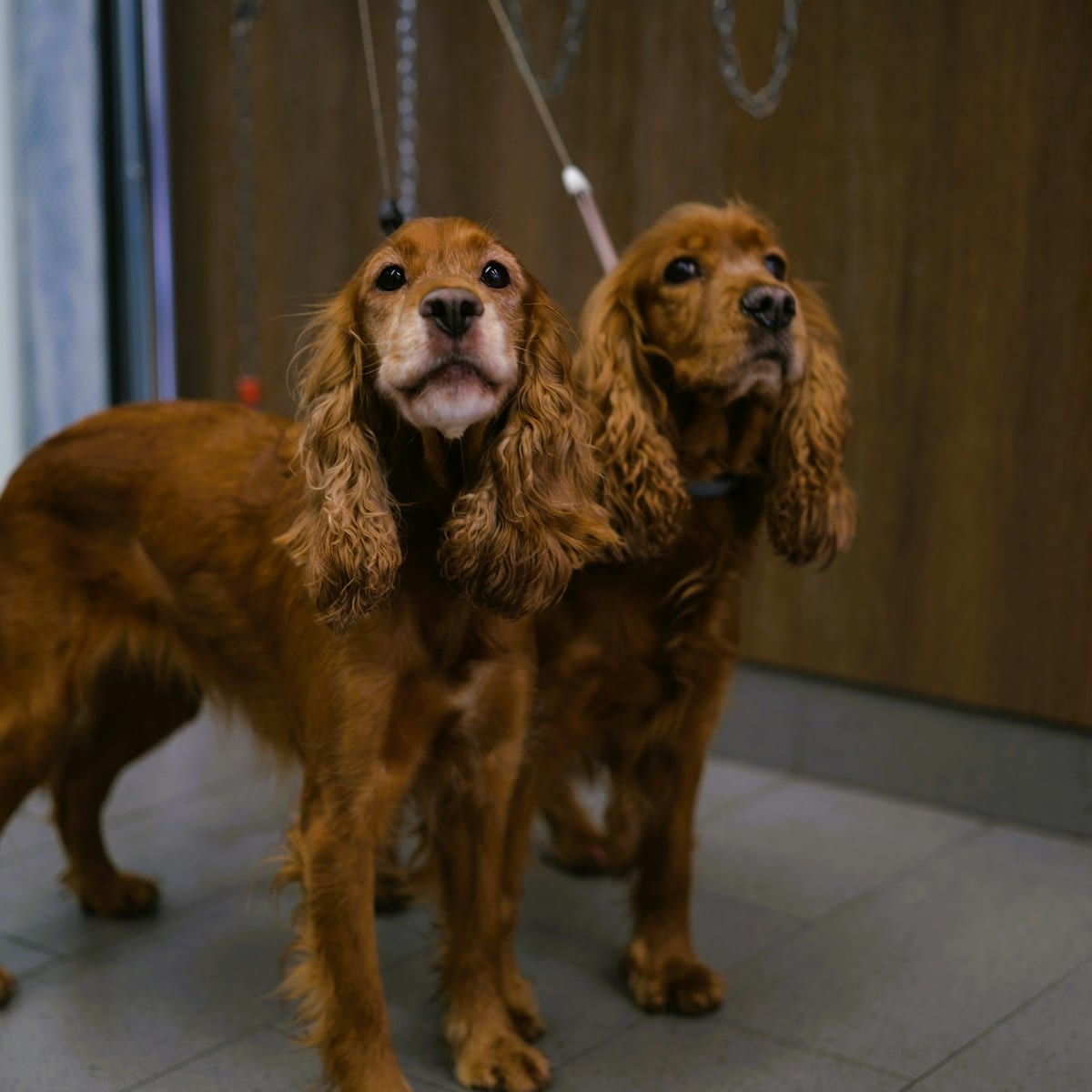
11 Playful Dog Breeds Made For Summer Fun
Breed reputation versus reality A breed reputation for friendliness or aggression does not define every dog. Individual history, training, and.
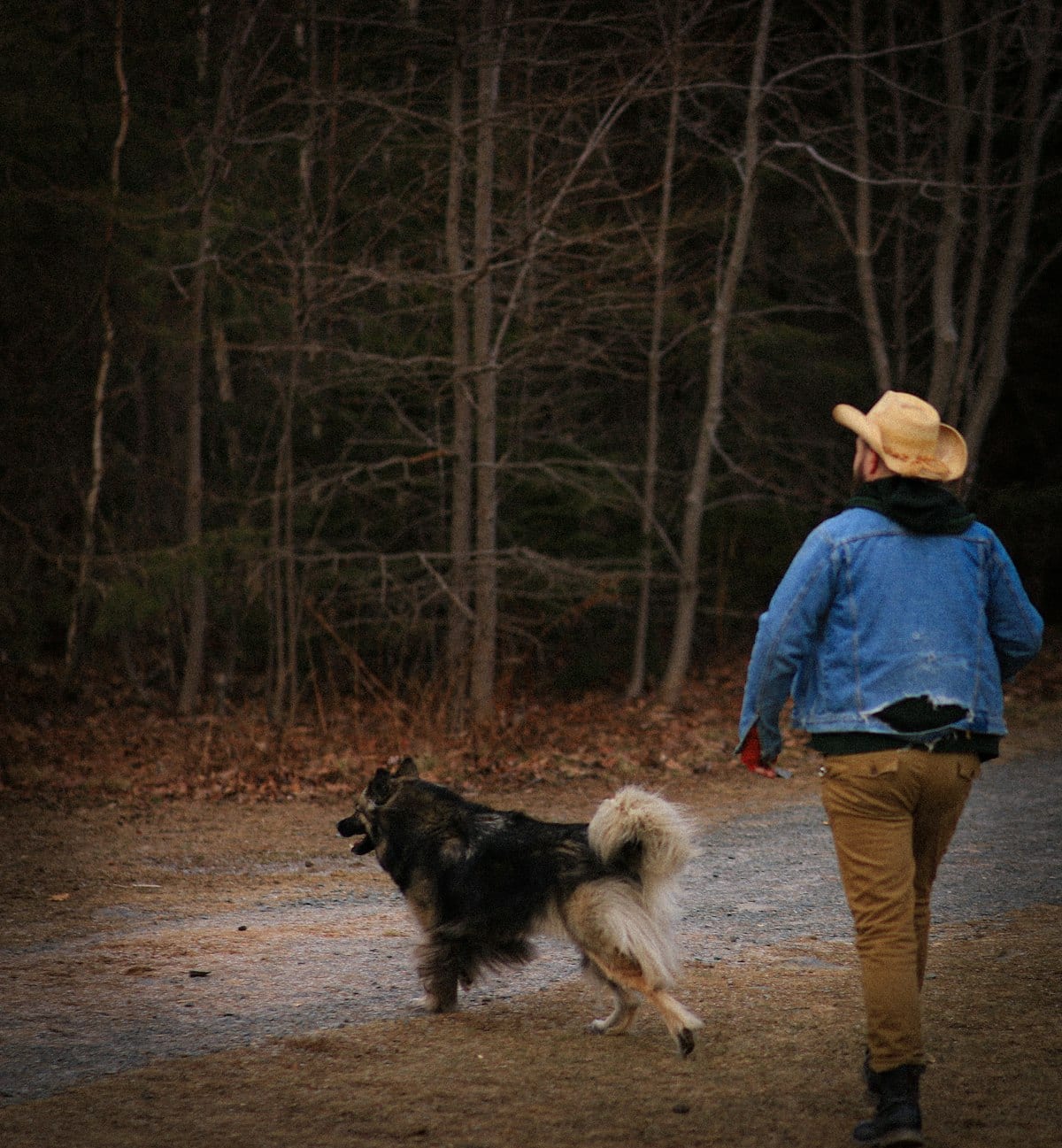
Best Dog Frisbees for 2026: 7 Picks That Fly Far and Last
Beyond breed generalizations Mixed-breed dogs combine traits from multiple lines in unpredictable ways, making breed-based assumptions even less reliable.
No comments yet.