
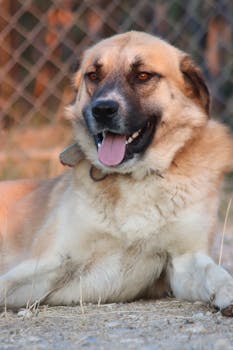
Anatolian Shepherd - Complete Breed Guide becomes a great match when expectations on activity, coat care, and socialization are realistic.
Anatolian Shepherd
At a Glance
- Origin: Turkey
- Size: Large to Giant
- Height: 71–81 cm (28–32 inches) at the shoulder
- Weight: 41–68 kg (90–150 lbs)
- Lifespan: 11–13 years
- Coat: Short to medium-length double coat; colors include fawn, brindle, white, and pinto, often with a black mask
- Shedding: High (seasonal heavy shedding)
- Hypoallergenic: No
Overview
The Anatolian Shepherd is a powerful, ancient livestock guardian dog breed originating from the Anatolian region of Turkey. Bred for centuries to protect flocks of sheep from predators such as wolves, bears, and jackals, this breed is renowned for its independence, loyalty, and formidable guarding instincts. The Anatolian Shepherd is not a typical companion dog; it requires experienced ownership, extensive space, and a clear purpose to thrive. Its imposing size, calm demeanor, and unwavering dedication to its charges make it one of the most effective working breeds in the world.
History & Origin
The Anatolian Shepherd's lineage dates back over 6,000 years to the Bronze Age, with ancestors believed to be the large Molosser-type dogs of Mesopotamia. The breed developed in the harsh, rugged terrain of the Anatolian Plateau in modern-day Turkey, where it was selectively bred by nomadic shepherds for its ability to work independently, withstand extreme temperatures, and defend livestock against large predators. The breed was known by various local names, including the Karabash (meaning "black head") and the Aksaray Malaklısı, depending on the region. The Anatolian Shepherd was not introduced to the Western world until the mid-20th century, when American servicemen and diplomats brought specimens back to the United States. The breed was recognized by the American Kennel Club (AKC) in 1996 as a member of the Working Group. Its historical role as a guardian rather than a herder is a critical distinction from breeds like the Border Collie.
Physical Characteristics
The Anatolian Shepherd is a large, muscular, and imposing dog with a robust frame built for endurance and strength. Males typically stand 74–81 cm (29–32 inches) tall and weigh 50–68 kg (110–150 lbs), while females are slightly smaller at 71–79 cm (28–31 inches) and 41–54 kg (90–120 lbs). The breed has a broad head with a moderate stop, a black nose, and medium-sized, V-shaped ears that fold over. The eyes are small, almond-shaped, and typically dark brown, conveying an intelligent and watchful expression.
The coat is a double coat: a dense, soft undercoat and a short to medium-length, coarse outer coat that provides protection from weather and bites. Coat colors include fawn, brindle, white, and pinto (white with colored patches). The most classic coloration is fawn with a distinctive black mask on the face. The tail is long and bushy, carried low when at rest and curled over the back when alert. The breed's gait is powerful and fluid, reflecting its ability to cover large distances with minimal effort.
Temperament & Personality
The Anatolian Shepherd is characterized by its independence, intelligence, and strong protective instincts. Bred to make autonomous decisions while guarding livestock, the breed can be aloof with strangers and highly territorial. It is not typically aggressive without cause but will act decisively to protect its family or property. The breed forms deep bonds with its owners and is generally good with children within the household, though its large size requires supervision around small children. Early and consistent socialization is essential to prevent excessive wariness or reactivity.
With other pets, the Anatolian Shepherd can coexist peacefully if raised with them, but it may view unfamiliar dogs or animals as threats due to its guardian heritage. The breed is not known for high levels of playfulness or constant affection; it is a calm, watchful companion that prefers to observe its environment. Its bark is deep and resonant, used primarily as a warning. This breed is best suited for owners who understand its need for a job and its independent nature.
Care & Maintenance
Exercise Requirements
The Anatolian Shepherd has moderate exercise needs for its size. Daily walks, access to a large, securely fenced yard, and opportunities to patrol its territory are essential. While not hyperactive, the breed requires mental stimulation and physical activity to prevent boredom, which can lead to destructive behavior. A minimum of 30–60 minutes of exercise per day is recommended, but the breed also enjoys long periods of rest. Off-leash exercise is not advisable in unsecured areas due to its strong wandering instinct.
Grooming Needs
Grooming is straightforward but requires consistency. The double coat sheds heavily, particularly during seasonal changes in spring and fall. Brushing two to three times per week is recommended to remove loose hair and minimize shedding; daily brushing may be necessary during peak shedding periods. Bathing should be done only as needed, as excessive bathing can strip the coat of natural oils. Regular ear cleaning, nail trimming, and dental care are also important aspects of maintenance.
Training
Training an Anatolian Shepherd can be challenging due to its independent and sometimes stubborn nature. This breed does not respond well to harsh or repetitive methods; instead, positive reinforcement techniques with patience and consistency yield the best results. Early socialization and basic obedience training are critical. The breed excels at tasks that align with its guardian instincts, such as livestock protection or property security. However, it is not a breed suited for competitive obedience or agility, as it prefers to work on its own terms. Professional training from an experienced handler is highly recommended for first-time owners.
Health
The Anatolian Shepherd is generally a healthy breed with a lifespan of 11–13 years. However, like many large breeds, it is prone to certain health conditions. Common issues include hip dysplasia (a malformation of the hip joint), elbow dysplasia, and entropion (an eyelid disorder). Hypothyroidism and bloat (gastric dilatation-volvulus, or GDV) are also concerns. Responsible breeders screen for these conditions through hip and elbow evaluations, eye exams, and thyroid testing. The breed's large size also makes it susceptible to obesity, which can exacerbate joint problems. Regular veterinary check-ups and a balanced diet are essential for maintaining health.
Living Conditions
The Anatolian Shepherd is not well-suited for apartment or urban living. This breed thrives in rural or suburban environments with ample space to roam and patrol. A large, securely fenced yard is a necessity, as the breed's instinct to guard territory may lead it to wander. The Anatolian Shepherd can tolerate cold and hot climates due to its double coat, but it requires access to shade and fresh water in extreme heat. It is best suited for a home with a clear purpose, such as a farm, ranch, or property requiring protection. Owners should be prepared for the breed's need for companionship and its tendency to bark at perceived threats.
Interesting Facts
- The Anatolian Shepherd is one of the oldest known dog breeds, with archaeological evidence dating its ancestors to ancient Mesopotamia over 6,000 years ago.
- In Turkey, the breed is still used by shepherds to protect flocks from wolves, and it is considered a national treasure.
- Anatolian Shepherds have been employed in wildlife conservation programs in Africa and the United States to protect livestock from predators such as cheetahs and coyotes, reducing the need for lethal control methods.
- The breed's name "Karabash" refers to the black mask that many individuals possess, which is a hallmark of the breed's standard.
Conclusion
The Anatolian Shepherd is a remarkable breed with a deep history as a livestock guardian. Its independence, strength, and unwavering loyalty make it an exceptional working dog, but these same traits demand an experienced owner who can provide firm, consistent leadership and a suitable environment. This breed is not a casual pet; it requires space, purpose, and respect for its guardian instincts. For those who can meet its needs, the Anatolian Shepherd offers a devoted and capable companion with a noble heritage. Prospective owners should thoroughly research the breed and seek reputable breeders who prioritize health and temperament.
References
Based on standards from the American Kennel Club (AKC), United Kennel Club (UKC), and the Anatolian Shepherd Dog International (ASDI) breed organization.

No comments yet. Be the first to share your thoughts.