
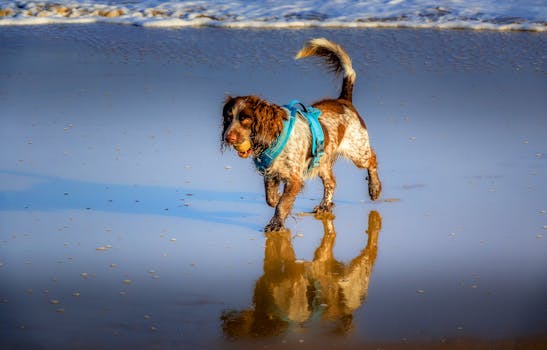
American Water Spaniel - Complete Breed Guide becomes a great match when expectations on activity, coat care, and socialization are realistic.
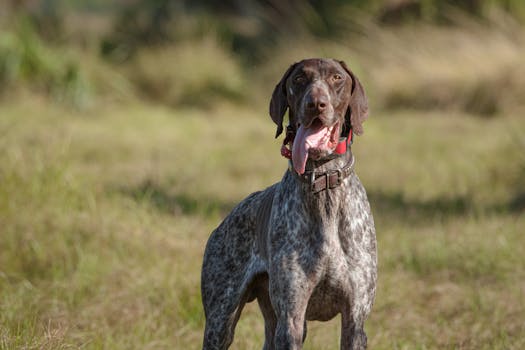
American Water Spaniel
At a Glance
- Origin: United States (Wisconsin)
- Size: Medium
- Height: 38–46 cm (15–18 in)
- Weight: 11–20 kg (25–45 lbs)
- Lifespan: 10–14 years
- Coat: Dense, curly or wavy; solid liver, brown, or dark chocolate
- Shedding: Low to moderate
- Hypoallergenic: No
Overview
The American Water Spaniel (AWS) is a versatile, medium-sized gundog breed developed in the United States, specifically in the Midwest region. Renowned for its exceptional swimming ability and keen hunting instincts, this breed is equally valued as a loyal and affectionate companion. The American Water Spaniel is recognized for its distinctive curly or wavy coat, which provides protection in cold water, and its adaptable temperament that suits both fieldwork and family life. As a relatively rare breed, it is cherished by enthusiasts for its intelligence, stamina, and unique blend of spaniel and retriever characteristics.
History & Origin
The American Water Spaniel traces its origins to the mid-19th century in the Wolf River region of Wisconsin, United States. The breed was developed by hunters and trappers who required a dog capable of working in the challenging conditions of the Great Lakes and surrounding waterways. The exact ancestry is not fully documented, but it is widely believed that the American Water Spaniel descends from crosses between the English Water Spaniel (now extinct), the Irish Water Spaniel, and the Curly-Coated Retriever. Some sources also suggest contributions from the Flat-Coated Retriever and various local spaniel-type dogs.
The breed's primary purpose was to retrieve waterfowl and upland game from both land and water, often from small boats or canoes. Its compact size and agility made it well-suited for this role. By the early 20th century, the American Water Spaniel had become a recognized type in the Midwest, though it remained relatively obscure outside its region of origin. The breed was officially recognized by the United Kennel Club (UKC) in 1920 and later by the American Kennel Club (AKC) in 1940, when it was admitted into the Sporting Group. Despite this recognition, the American Water Spaniel remains one of the least common AKC-recognized breeds, with a dedicated but small community of breeders and owners.
Physical Characteristics
The American Water Spaniel is a medium-sized, well-proportioned dog with a sturdy and muscular build. Its body is slightly longer than it is tall, giving it a rectangular appearance. The head is moderately broad with a distinct stop, and the muzzle is of medium length. The eyes are medium-sized, round, and range in color from hazel to dark brown, conveying an intelligent and friendly expression. The ears are long, pendulous, and set at eye level, covered with wavy or curly hair.
The coat is the breed's most distinctive feature. It is dense and waterproof, with two acceptable textures: a tightly curled coat similar to that of the Curly-Coated Retriever, or a marcel (wavy) pattern. The coat is always solid-colored, ranging from liver to brown to dark chocolate, with occasional white markings on the chest or toes being permissible but not preferred. The tail is moderately long, slightly curved, and covered with a dense coat that tapers to a point.
Males typically stand 38–46 cm (15–18 in) at the shoulder and weigh 13–20 kg (30–45 lbs), while females are slightly smaller, weighing 11–18 kg (25–40 lbs). The breed's double coat provides excellent insulation and protection from cold water and harsh weather.
Temperament & Personality
The American Water Spaniel is known for its intelligent, eager-to-please, and affectionate nature. It forms strong bonds with its family and is often described as a loyal and devoted companion. The breed is generally good with children, especially when raised with them, and can be playful and patient. However, due to its hunting heritage, it may exhibit a moderate level of independence and can be reserved or cautious around strangers, making early socialization important.
With other pets, the American Water Spaniel can coexist peacefully if properly introduced and socialized from a young age. However, its strong prey drive may lead it to chase smaller animals, such as cats or rodents, unless trained otherwise. The breed is not typically aggressive but may display protective instincts toward its home and family. It thrives on human interaction and can become anxious or destructive if left alone for extended periods.
Care & Maintenance
Exercise Requirements
The American Water Spaniel is an active and energetic breed that requires regular daily exercise to maintain physical and mental well-being. A minimum of 45–60 minutes of vigorous activity per day is recommended, including walks, runs, play sessions, and opportunities to swim. The breed excels in activities such as field trials, hunting tests, agility, and obedience. Without sufficient exercise, the American Water Spaniel may develop behavioral issues such as excessive barking, chewing, or digging.
Grooming Needs
The coat of the American Water Spaniel requires moderate maintenance. Weekly brushing with a slicker brush or comb is necessary to prevent matting and tangling, particularly in the curly-coated variety. The breed sheds minimally, but dead hair can become trapped in the curls if not removed. Bathing should be done every 6–8 weeks or as needed, using a gentle dog shampoo to preserve the coat's natural oils. The ears should be checked regularly for signs of infection, as the pendulous ears can trap moisture. Nails should be trimmed monthly, and dental hygiene maintained through regular brushing.
Training
The American Water Spaniel is highly intelligent and generally trainable, but it can have a stubborn streak. Positive reinforcement methods, such as praise, treats, and play, work best. Harsh corrections may lead to resistance or a loss of trust. Early socialization and puppy training classes are strongly recommended to shape a well-adjusted adult dog. The breed responds well to consistent, patient, and varied training routines. Due to its hunting instincts, it may be easily distracted by scents or movement, so focus and impulse control should be practiced.
Health
The American Water Spaniel is generally a healthy breed with a life expectancy of 10–14 years. However, like all purebred dogs, it is prone to certain genetic conditions. Common health concerns include hip dysplasia, elbow dysplasia, and progressive retinal atrophy (PRA), a degenerative eye disease that can lead to blindness. Hypothyroidism and ear infections are also reported due to the breed's ear structure and activity in water.
Responsible breeders conduct health screenings, including hip and elbow evaluations, eye examinations by a veterinary ophthalmologist, and thyroid function tests. The breed may also be susceptible to allergies and skin conditions. Maintaining a healthy diet, regular veterinary check-ups, and appropriate exercise can help mitigate many health issues.
Living Conditions
The American Water Spaniel is adaptable but best suited to homes with access to a securely fenced yard and opportunities for regular exercise. It can live in apartments if provided with sufficient daily activity, but its energetic nature makes a house with a yard preferable. The breed is not recommended for sedentary households or owners who cannot commit to its exercise needs. It thrives in rural or suburban environments where it can engage in swimming and fieldwork. Due to its strong bond with its family, the American Water Spaniel should live indoors as part of the household, not in an outdoor kennel.
Interesting Facts
- The American Water Spaniel is the official state dog of Wisconsin, designated in 1985, recognizing its historical significance to the region.
- It is one of the rarest AKC-recognized breeds, with only a few hundred registrations annually, making it a true "hidden gem" among dog enthusiasts.
- The breed is known for its unique "otter-like" tail, which is thick at the base and tapers to a point, aiding in swimming and maneuvering in water.
- Unlike many spaniels, the American Water Spaniel is a strong retriever and can handle large waterfowl, such as geese, thanks to its powerful build and retrieving instincts.
Conclusion
The American Water Spaniel is a versatile, intelligent, and devoted breed that excels as both a hunting companion and a family pet. Its unique history, distinctive coat, and moderate size make it a practical choice for active individuals or families who appreciate the outdoors. While the breed requires consistent exercise, training, and grooming, its loyalty and affectionate nature reward dedicated owners. As a rare breed, the American Water Spaniel offers a distinctive and rewarding canine partnership for those willing to seek out reputable breeders and invest in its care.
References
Based on standards from the American Kennel Club (AKC), the United Kennel Club (UKC), and the American Water Spaniel Club (AWSC). Additional information sourced from breed health surveys and historical records from the Wisconsin State Historical Society.



No comments yet. Be the first to share your thoughts.